Nail trimming may not be your dog's favorite part of grooming, but it's one of those small tasks that can make a big difference in their everyday comfort. When nails get too long, they can make walking uncomfortable, affect how a dog places their paws, and increase the chance of a nail getting caught or breaking.
The tricky part is that dog nails grow gradually, so it's easy to miss when they've gotten a little too long. Some dogs also wear their nails down naturally through regular walks, while others need more frequent trims.
Making nail care part of your dog's regular grooming routine can help prevent many of these problems. If trimming nails at home turns into a wrestling match, professional services like Lucky Dog Mobile Groomers can take care of nail maintenance along with your dog's other grooming needs.
Why Regular Nail Trimming Matters
Keeping your dog's nails at a comfortable length goes far past appearance. Their nails affect how their paws meet the ground, which can influence how comfortable they feel while walking, running, and playing.
Helps Prevent Discomfort and Pain
When a dog's nails become too long, they can press against the ground every time the dog takes a step. Over time, that pressure can become uncomfortable.
Imagine trying to walk all day in shoes that don't quite fit. Your dog may still get around, but that doesn't necessarily mean they're comfortable.
Regular trimming keeps the nails at a manageable length so they interfere less with normal movement.
Supports Healthy Walking and Posture
Dogs rely on their paws for balance and movement. Ideally, their paw pads should make comfortable contact with the ground without excessively long nails getting in the way.
Overgrown nails can change the way a dog places their feet. Some dogs may adjust their gait to avoid putting pressure on uncomfortable nails. If this continues, the altered movement can place additional strain on the paws and legs.
Keeping nails properly trimmed helps dogs maintain a more natural walking pattern.
Reduces the Risk of Broken or Split Nails
Long nails are easier to snag.
A nail can catch on carpeting, blankets, furniture, grass, or other surfaces while a dog is running or playing. The longer the nail becomes, the greater the opportunity for it to bend, crack, or tear.
Broken nails can be painful and may bleed, especially if the break reaches the quick, which contains nerves and blood vessels.
Routine trims help reduce excess length before it becomes a problem.
Helps Protect Floors and Furniture
Your dog's comfort comes first, but your floors may appreciate regular nail trims too.
Long nails can leave scratches on hardwood and other surfaces. Dogs may also accidentally scratch furniture or people while jumping up or playing.
Keeping the nails shorter won't prevent every scratch, but it can certainly help.
Signs Your Dog's Nails Are Too Long
You don't need to wait until a nail starts curling to know it's time for a trim. There are several everyday clues that your dog's nails may be getting too long.
You Hear Clicking on Hard Floors
Click, click, click.
If you can hear your dog coming before you see them, their nails may be ready for some attention.
Frequent clicking as your dog walks across tile, hardwood, or another hard surface can indicate that the nails are making regular contact with the floor.
Keep in mind that nail shape and paw structure vary between dogs, so sound alone isn't a perfect measurement. Still, it's a useful reminder to take a closer look.
The Nails Are Touching the Ground
Check your dog's paws while they're standing normally on a flat surface.
If the nails are extending far enough to push against the ground or affect how the paw sits, they may be too long.
Regularly checking the paws makes it easier to catch excessive growth before it becomes uncomfortable.
Your Dog Seems Uncomfortable Walking or Running
Changes in movement deserve attention.
A dog with uncomfortable nails may:
Of course, changes in walking can have many causes. If your dog suddenly develops a limp, seems painful, or has trouble bearing weight, a veterinarian should evaluate them rather than assuming long nails are the only issue.
The Nails Are Starting to Curl
This is one of the clearest signs that nail care has been delayed.
Severely overgrown nails can begin curling toward the paw pads. In extreme cases, a nail may grow into the skin, causing pain and potentially leading to wounds or infection.
Dewclaws deserve particular attention because they don't usually make contact with the ground and therefore receive little natural wear.
Problems Caused by Overgrown Nails
Missing one nail trim probably won't cause a major problem. But allowing nails to remain overgrown for long periods can eventually affect your dog's comfort and mobility.
Pain and Discomfort
Overgrown nails can put unwanted pressure on the toes as they contact the ground.
This can make everyday activities like walking around the house, going outside, or playing less comfortable than they should be.
Some dogs are very good at hiding discomfort, too. Regular paw checks are useful even if your dog appears to be acting normally.
Changes in Walking Habits
If long nails make normal paw placement uncomfortable, a dog may start changing how they walk.
They might shift their weight, shorten their stride, or move differently to avoid pressure on certain toes. This is another reason nail trimming should be considered part of routine care rather than simply a cosmetic service.
Broken Nail Injuries
Anyone who has dealt with a broken dog nail knows it can be surprisingly messy.
The quick inside the nail contains blood vessels, so a nail that breaks deeply can bleed considerably. Your dog may also lick the area or become protective of the injured paw.
Some broken nails require veterinary treatment, particularly if the nail is badly torn, bleeding doesn't stop, or the area shows signs of infection.
Keeping nails at an appropriate length lowers the chance of them snagging and breaking during normal activity.
Increased Risk of Infection
A damaged nail can create an opening for bacteria.
Redness, swelling, discharge, persistent licking, an unusual smell, or increasing pain around a damaged nail can signal a problem that needs veterinary attention.
Regular nail care can't prevent every injury, but keeping nails from becoming excessively long reduces one common source of nail damage.
Tips for Keeping Your Dog's Nails Healthy
The easiest way to manage dog nails is to stay ahead of them. Regular maintenance is usually much simpler than dealing with nails that have become severely overgrown.
Maintain a Regular Trimming Schedule
There isn't one perfect schedule for every dog.
How quickly nails grow depends on factors such as age, activity level, walking surfaces, and individual nail growth. Dogs that regularly walk on concrete may naturally wear down their nails faster than dogs that spend most of their time on grass or indoors.
Rather than relying only on the calendar, check your dog's nails regularly. This helps you learn how quickly they grow and when trimming is usually needed.
Use the Right Grooming Tools
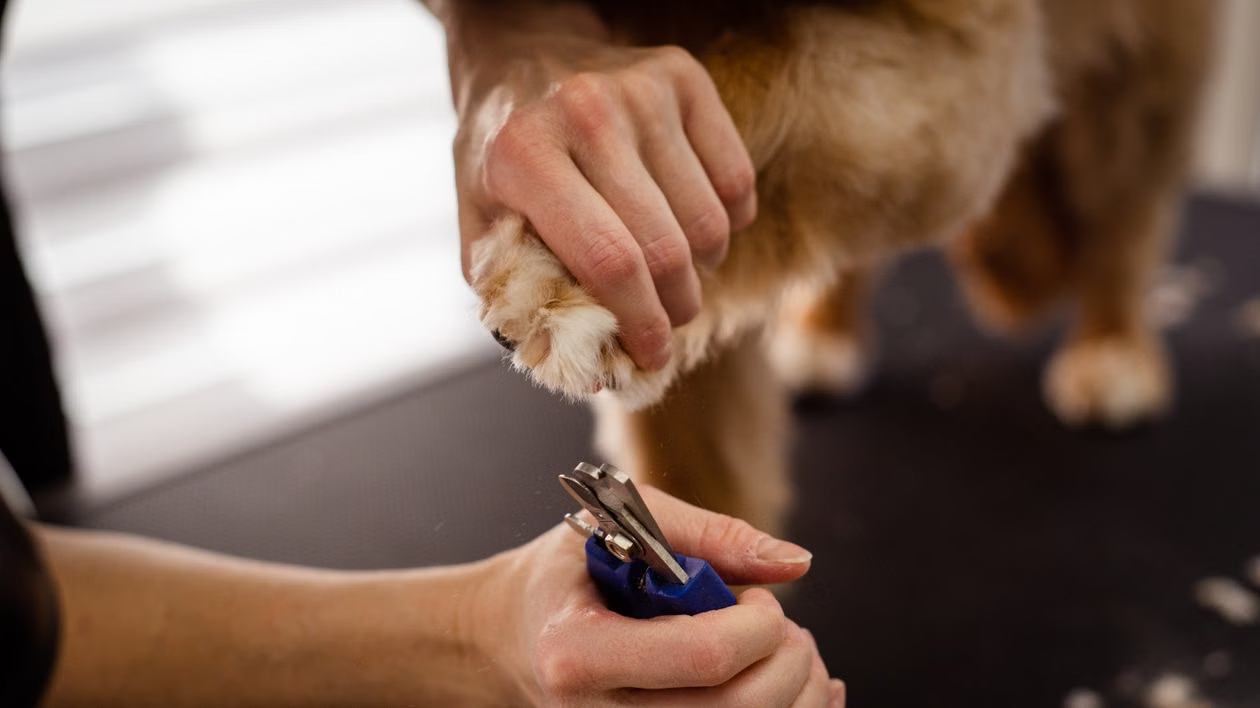
If you're trimming at home, use nail clippers or a grinder made specifically for dogs and appropriate for your dog's size.
It's also important to know where the quick is located. Cutting into it can cause pain and bleeding.
The quick is often easier to see in light-colored nails. With dark nails, trimming small amounts at a time can help reduce the chance of cutting too far.
If you're unsure how much to remove, ask a groomer or veterinarian to show you how to trim safely before attempting it yourself.
Introduce Nail Trimming Gradually
Some dogs hear the nail clippers come out and suddenly develop very urgent business in another room.
If your dog is nervous about nail trims, forcing the entire process at once can make future sessions even harder. Start small instead.
Get your dog comfortable with having their paws handled. Introduce the clippers or grinder without immediately trimming. Reward calm behavior with praise or treats.
For some dogs, you may only trim one or two nails at first. That's okay. Building a positive routine can be more helpful in the long run than rushing through a stressful session.
Consider Professional Grooming Services
Not every owner feels comfortable trimming dog nails, and not every dog makes the job easy.
Professional groomers have experience handling different breeds, nail types, and temperaments. They also have the proper equipment and can include nail care as part of a regular grooming appointment.
Mobile grooming can be especially convenient for dogs that become anxious during car rides or in busy salons. Instead of adding another trip to your schedule, the groomer comes to you and handles grooming close to home.
If your dog's nails are severely overgrown, curling into the paw pad, injured, or causing obvious pain, contact your veterinarian. These situations may need medical attention rather than a routine nail trim.
Make Nail Care Part of Your Dog's Routine
Nail trimming isn't the most exciting part of being a dog owner, but your dog's paws will certainly appreciate it.
Keeping nails at a healthy length can make walking more comfortable, support normal movement, and reduce the chance of painful cracks or breaks. It can also save you from discovering just how sharp an overgrown dog nail can be when your excited pup jumps into your lap.
Check your dog's paws regularly and build nail trimming into their normal grooming schedule. If your dog isn't a fan of at-home trims, there's no need to turn every session into a battle. An experienced professional groomer can take care of the job and help keep those paws comfortable, healthy, and ready for the next walk.