
If your Labrador suddenly starts limping, it can be worrying and hard to know whether immediate veterinary attention is necessary. This article explains which warning signs mean urgent or emergency care is needed, and how pet owners can decide the best next steps to help their dog recover safely and quickly.
Labradors are active, enthusiastic companions, but their love of exercise and play sometimes exposes them to injuries and orthopedic flare-ups. Limping can result from something as simple as a sore paw or something more serious. For those in the region, figuring out urgent pet care and emergency veterinarian service in Spartanburg, South Carolina can also mean knowing when to go directly to a clinic and how to choose between urgent and emergency care options. Pet owners should understand their care choices for medical assessment outside normal hours. UrgentVet is here for after-hours veterinary urgent care for pets, because Your Pet Can’t Wait to Feel Better ®.
Why limping should never be ignored in Labradors
Abrupt limping in Labradors is often a sign of pain or injury. While some limps fade quickly after minor bumps, a dog that suddenly avoids putting weight on a leg, moves stiffly, or seems uncomfortable may be experiencing more than just tiredness or a pulled muscle.
This breed is vulnerable to injuries, joint issues like cruciate ligament tears, and paw problems. If the limp persists, gets worse, or is accompanied by other symptoms, prompt attention may help prevent complications and support a better outcome.
Frequent causes of sudden limping
Labradors can start limping for a variety of reasons. Common causes include:
In some cases, an underlying infection, bone disease, or tick-borne illness can cause sudden lameness. Not all limping responds to basic first aid, so careful observation is key.
What to look for at home
Noticing the specifics of your dog’s limp can help your veterinarian determine next steps. Try to observe:
Subtle clues, such as licking a specific paw or reluctance to jump, can be just as telling as lameness itself.
Red flags requiring veterinary attention
Some signs require prompt veterinary assessment instead of a wait-and-see approach. These urgent warning signs include:
If any of these are present, your dog needs immediate evaluation at an emergency hospital, as some injuries can become much worse if untreated. It is important to recognize when a situation is critical and to seek 24/7 emergency care if there are signs of severe trauma or life-threatening symptoms. For less severe symptoms that still require prompt attention, urgent care clinics can provide an appropriate and lower-cost alternative for sudden limping and acute pain when the regular vet is unavailable.
First-aid measures before you reach the clinic
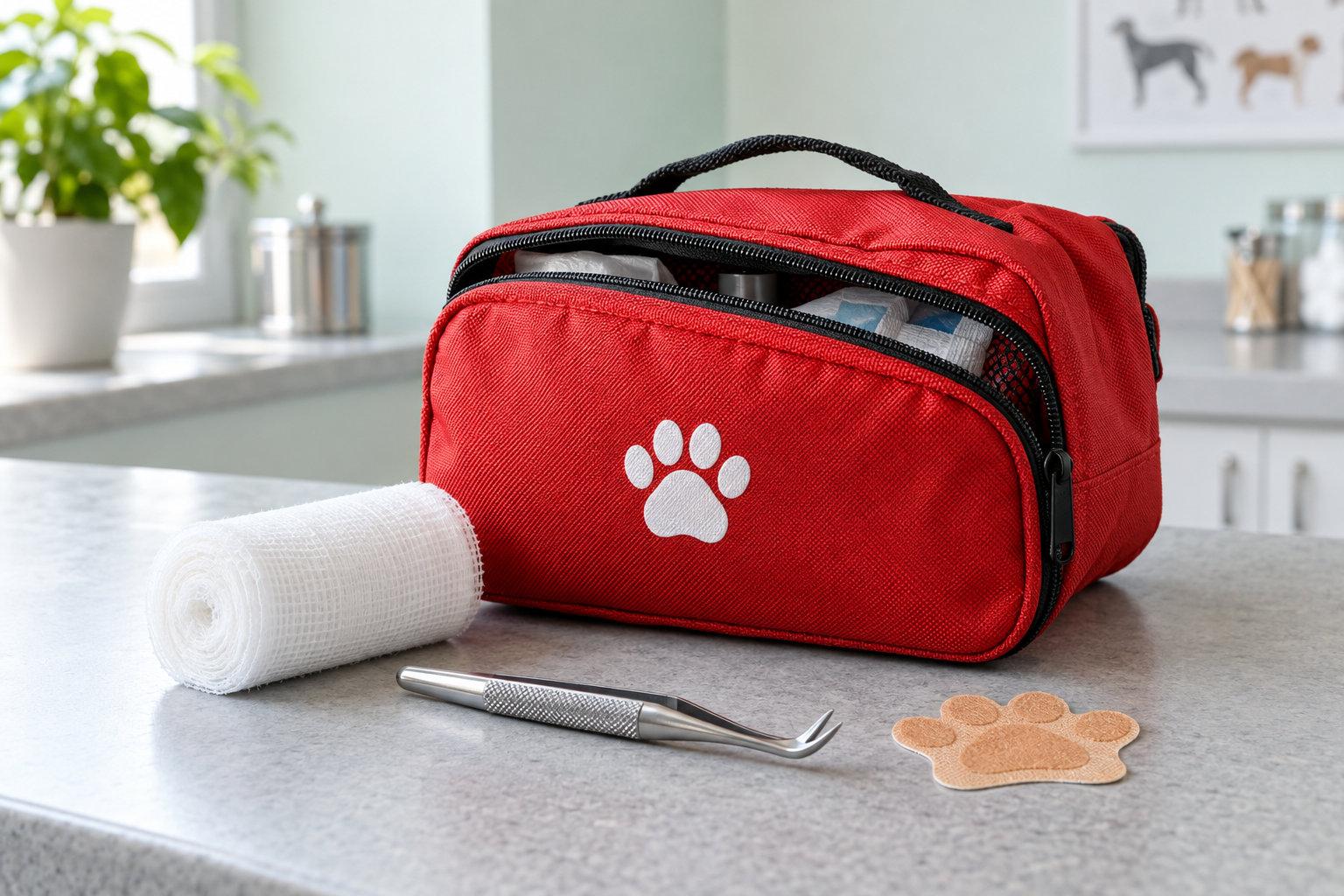
While arranging care, keep your Labrador calm and limit movement to prevent further injury. Provide a quiet area for rest, and gently check paws for foreign objects or wounds. If you notice bleeding, apply gentle pressure with clean cloth or gauze. Do not give human pain medications and do not try to manipulate the limb, as this could worsen some injuries. Avoid delays if red flags or severe symptoms are present; proceed directly to emergency care when critical signs are observed. For less severe limping without red flags, urgent care may be the right next step.
What to expect during a veterinary assessment
Your veterinarian will perform a physical and orthopedic examination, often including gentle palpation of the limb and inspection of the paw and nails. Diagnostics may include x-rays, mobility tests, or sedation if your dog appears to be in significant pain. Treatment is based on the diagnosis and can involve bandaging, pain relief, or wound care. The goal is to make your pet comfortable and recommend the best course of action.
Deciding where to seek urgent care
When your Labrador is limping but is not experiencing life-threatening symptoms, a veterinary urgent care clinic is often appropriate for same-day evaluation. UrgentVet serves as an alternative to a 24/7 emergency vet hospital: it is not open 24/7, but is open late nights, after-hours, weekends, and holidays (365 days a year), making it a lower-cost option for urgent situations that are not true emergencies.
Visit UrgentVet.com for urgent pet care to learn more about how after-hours clinics can help bridge the gap when you need timely evaluation but your regular vet is closed. Remember, emergency hospitals are still the best place for life-threatening emergencies, while urgent care clinics can address problems like sudden limping or injuries that need attention before your primary care vet is available.
Prevention tips for future mobility issues
To minimize future episodes of limping, keep your Labrador’s nails trimmed and inspect paws regularly for injuries. Manage your dog’s weight with a healthy diet, and condition their muscles with controlled exercise. Avoid overly rough play or slick surfaces. Paying attention to your dog’s habits and physical changes can help you notice problems early and seek veterinary help when needed.