
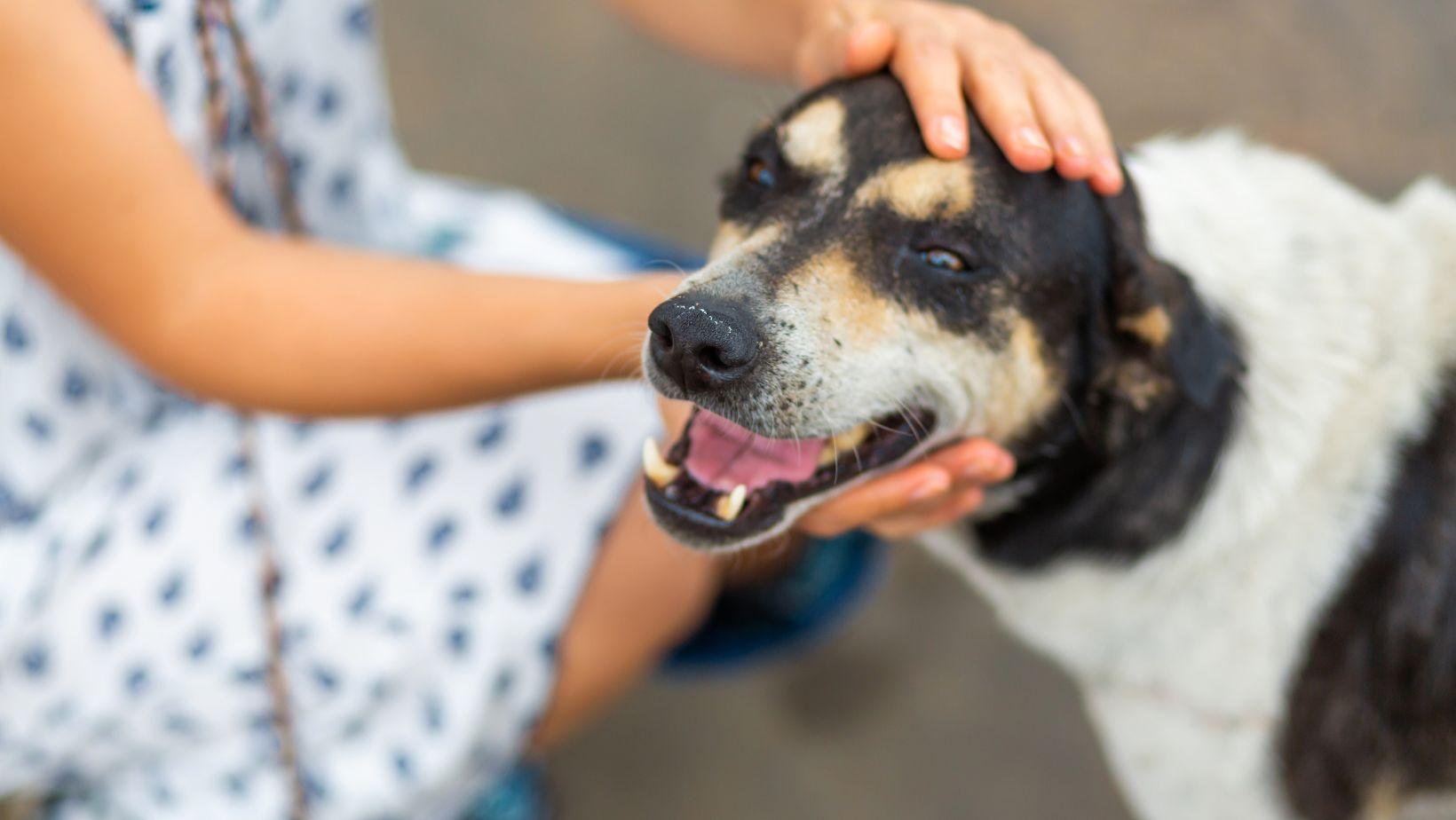
Bringing a rescue dog into your home is an act of compassion, but adoption is only the beginning. A dog who has lived on the street, experienced neglect, or spent time recovering in a shelter may arrive with needs that are not immediately obvious. You may see excitement, fear, exhaustion, curiosity, or several of these at once.
Your job is not to create a perfect dog in a few days. It is to help your new companion understand that food will keep coming, hands can be gentle, rest is safe, and home is permanent. With patience, preventive veterinary care, good nutrition, and a predictable routine, you can give a rescue dog the stability needed to thrive.
Start With Safety and Predictability
For a newly adopted dog, routine can be deeply reassuring. Keep meals, walks, toilet breaks, and bedtime as consistent as possible. Predictability reduces surprises and helps your dog understand what happens next.
Create a quiet resting place where your dog can retreat without being followed or disturbed. A bed in a low-traffic area, access to clean water, and a few familiar toys can help turn an unfamiliar house into a place of safety.
Try not to overwhelm your dog with visitors, crowded outings, or constant handling during the first days. Some dogs settle quickly, while others need weeks or months to show their full personality. If your dog hides or startles easily, give them space while continuing to offer calm, positive interactions.
Make Preventive Veterinary Care a Priority
Even when your rescue dog appears healthy, a veterinary checkup should be one of your first priorities. Street dogs and previously neglected animals may have been exposed to parasites, skin conditions, infectious diseases, injuries, or nutritional deficiencies. A veterinarian can assess your dog’s condition and recommend vaccinations, parasite prevention, dental care, and follow-up treatment.
Rabies prevention is especially important where free-roaming dogs and people live closely together. The World Health Organization reports that dogs are responsible for up to 99% of human rabies cases globally. WHO also states that vaccinating more than 70% of the dog population can prevent rabies transmission. Keeping your own dog’s rabies vaccination current therefore protects more than one animal. It contributes to the health of the wider community.
You can keep a simple health record that includes:
- Vaccination dates and booster reminders
- Parasite prevention and medications
- Weight, appetite, and energy changes
- New wounds, itching, limping, coughing, or digestive changes
- Questions for your next veterinary visit
Small observations matter because you are the person most likely to notice when your dog’s normal behavior changes.
Support Health Through Everyday Nutrition
Food is part of recovery. If your dog has experienced inconsistent access to food, you may notice fast eating, guarding, scavenging, or anxiety around mealtimes. Instead of punishing these behaviors, create calm and predictable feeding habits.
Choose a nutritionally complete diet appropriate for your dog’s age, size, activity level, and health status. If your veterinarian recommends additional support, you can discuss whether supplements or other wellness products are suitable. Brands such as Prana Pets offer pet wellness products, but any supplement should complement, not replace, balanced nutrition and veterinary care.
Avoid changing foods too quickly. A gradual transition can reduce digestive upset, especially while your dog is adjusting to a new environment. You can also monitor body condition rather than relying only on the scale. Your veterinarian can help you determine whether your dog is at a healthy weight.
Help Your Dog Build Confidence
A rescue dog may not understand household rules, walking equipment, stairs, traffic sounds, or even toys. Training works best when you treat these experiences as skills to be learned rather than tests to be passed.
Reward-based training can help you build communication without adding fear. Reward your dog for checking in with you, walking calmly, settling on a mat, allowing gentle handling, or choosing to move away from something stressful.
Keep early training sessions short. A few focused minutes can be more useful than a long session that leaves your dog frustrated. Watch body language and slow down if you see repeated lip licking, tucked posture, avoidance, trembling, or attempts to escape.
Remember That Community Care Matters
Caring for one adopted dog can connect you to a much bigger animal welfare effort. Rescue organizations do vital work, but lasting change also depends on what happens in homes, neighborhoods, schools, and communities.
You can help create safer communities when you:
- Keep your pets vaccinated and sterilized as advised by your veterinarian
- Treat street dogs calmly and avoid frightening or provoking them
- Report injured animals to a qualified rescue organization
- Teach children how to behave safely and kindly around dogs
- Support humane sterilization, vaccination, rescue, and education programs
These actions add up. A vaccinated dog can be part of rabies prevention. A sterilized dog can help reduce uncontrolled population growth. A child who learns compassion may grow into an adult who treats animals differently.
Give Your Rescue Dog Time
The most important thing you can offer a rescued dog is not a perfect routine or a house full of toys. It is time.
You may celebrate small milestones that other people never notice: the first deep sleep, the first relaxed walk, the first time your dog asks for affection, or the first moment they stop watching the door as if they might have to leave again.
When you combine patience with responsible veterinary care, good nutrition, humane training, and community awareness, you do more than help one dog settle into a home. You become part of the wider effort to build a world where animals are treated with compassion and where dogs and people can live safely together.