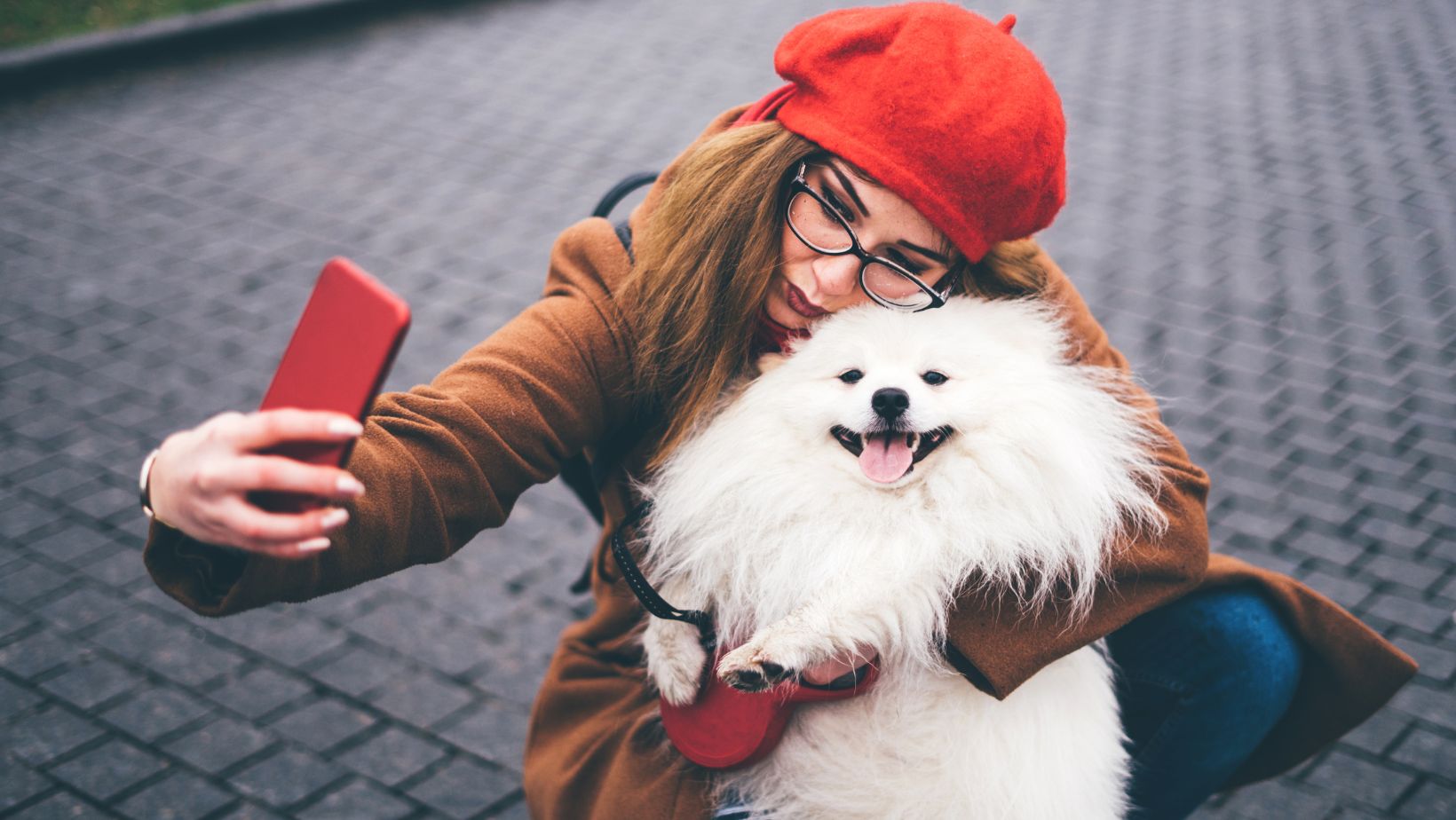
Anyone who lives with a dog knows that the most beautiful moments often happen spontaneously. A joyful jump during a walk, a sleepy look in the morning, or a happy tail wag when you come home. That’s why many dog owners repeatedly reach for their smartphones to capture such moments. Over time, countless photos and videos accumulate—but often they simply remain stored on the phone.
Many people would like to have a way to make these memories more visible and give them a special place in their everyday lives. That’s why more and more creative ideas are emerging, especially around dogs, for capturing shared moments.
Photos become works of art
In addition to classic photos, more and more people are discovering the world of dog art. The idea behind it is simple: a creative portrait is created from an ordinary picture of your own four-legged friend. Instead of a simple snapshot, you get a representation that is more reminiscent of a painting or illustration. This turns an everyday photo into an image with artistic character that shows the dog in a whole new way.
This is made possible by modern digital tools that use artificial intelligence. Based on an uploaded photo, the software recognizes certain features—such as coat texture, facial features, or expression—and then translates them into different art styles. This results in images that look like classic oil paintings, are reminiscent of modern pop art, or are designed more like digital illustrations. This allows the same dog to be depicted in several different styles.
The process is usually straightforward. First, a photo is uploaded, then you can choose from a variety of artistic styles. Within a short time, the system creates several versions of the image. These are then provided in high resolution so that they can be used digitally or easily printed out.
Photo books full of shared experiences
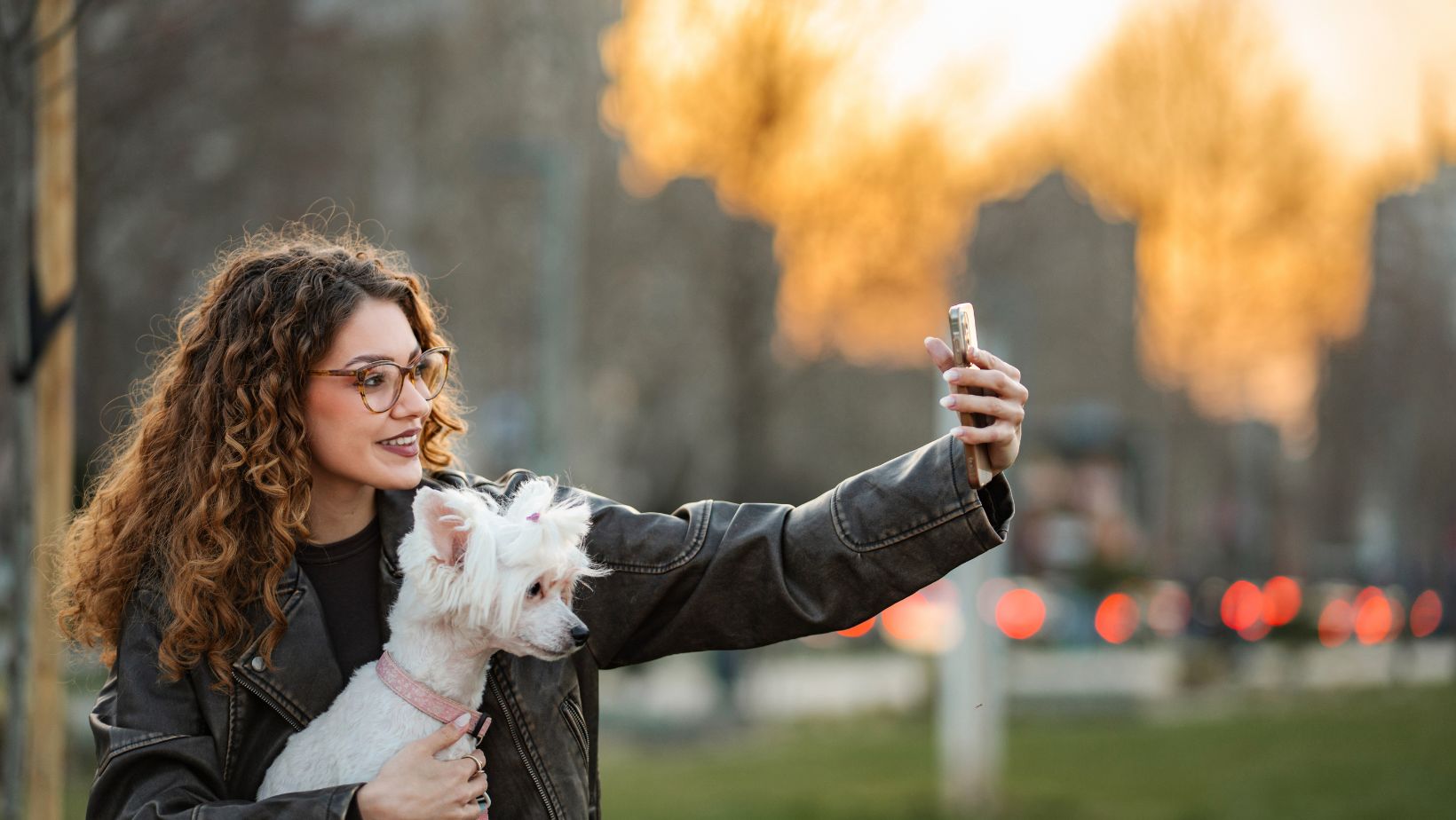
For many dog lovers, a photo book is a wonderful way to preserve shared memories. Over the years, countless pictures are usually taken: from the first day in a new home to long walks to special trips or vacations. A photo book allows you to collect these moments and turn them into a little personal story.
Such books are often structured chronologically. The first pages might show the dog as a puppy, followed by pictures from different stages of its life. Others design their photo books according to themes—for example, with chapters on walks, adventures in nature, or funny situations from everyday life. This creates a memento that documents the time spent together with the dog in a special way.
Another advantage of a photo book is its tangibility. While digital photos quickly disappear into the image gallery of your smartphone, a printed book invites you to leaf through it again and again. Especially with a little distance, it can be very nice to look at old pictures and remember certain moments.
Paws for eternity
A paw print is one of the most personal mementos of your dog. Many owners choose to make a mold of their four-legged friend’s paw in clay or modeling compound to create a lasting keepsake. Such a mold shows the individual lines of the paw—similar to a fingerprint in humans—and thus becomes a unique memento.
The breed of dog can also play a role here. Popular breeds differ significantly in size and paw shape. While small dogs such as French Bulldogs tend to leave dainty prints, larger dogs such as Labrador Retrievers produce significantly larger and more powerful paw prints. Both are among the world’s most popular dog breeds and clearly show how different paw shapes can be.
Preparation: How to make a clean print
Before making the print, the paw should be clean and dry. It can also help to take a quick look at the claws and the fur between the pads: if the claws are very long or there is a lot of fur between the pads, this can make the print blurry. It is therefore advisable to clean the paw briefly beforehand and trim it if necessary.
It also helps to choose a quiet environment. Dogs are more relaxed when they feel comfortable, and a quiet moment makes it easier to take a clean impression.
Step by step to a paw print
The actual printing process is usually easier than many people think:
- Prepare the modeling clay
- First, knead the clay well so that it becomes soft and malleable. Then roll it out into a flat disc that is slightly larger than the dog’s paw.
- Carefully press down the paw
- Gently but evenly press the paw into the clay. Do not press too hard, so that the structure of the paw pads is preserved and no clay gets caught in the fur.
- Allow the print to dry or harden
- The clay must then be left to dry or, depending on the material, baked in the oven. Once it has completely hardened, the print will be permanently preserved.