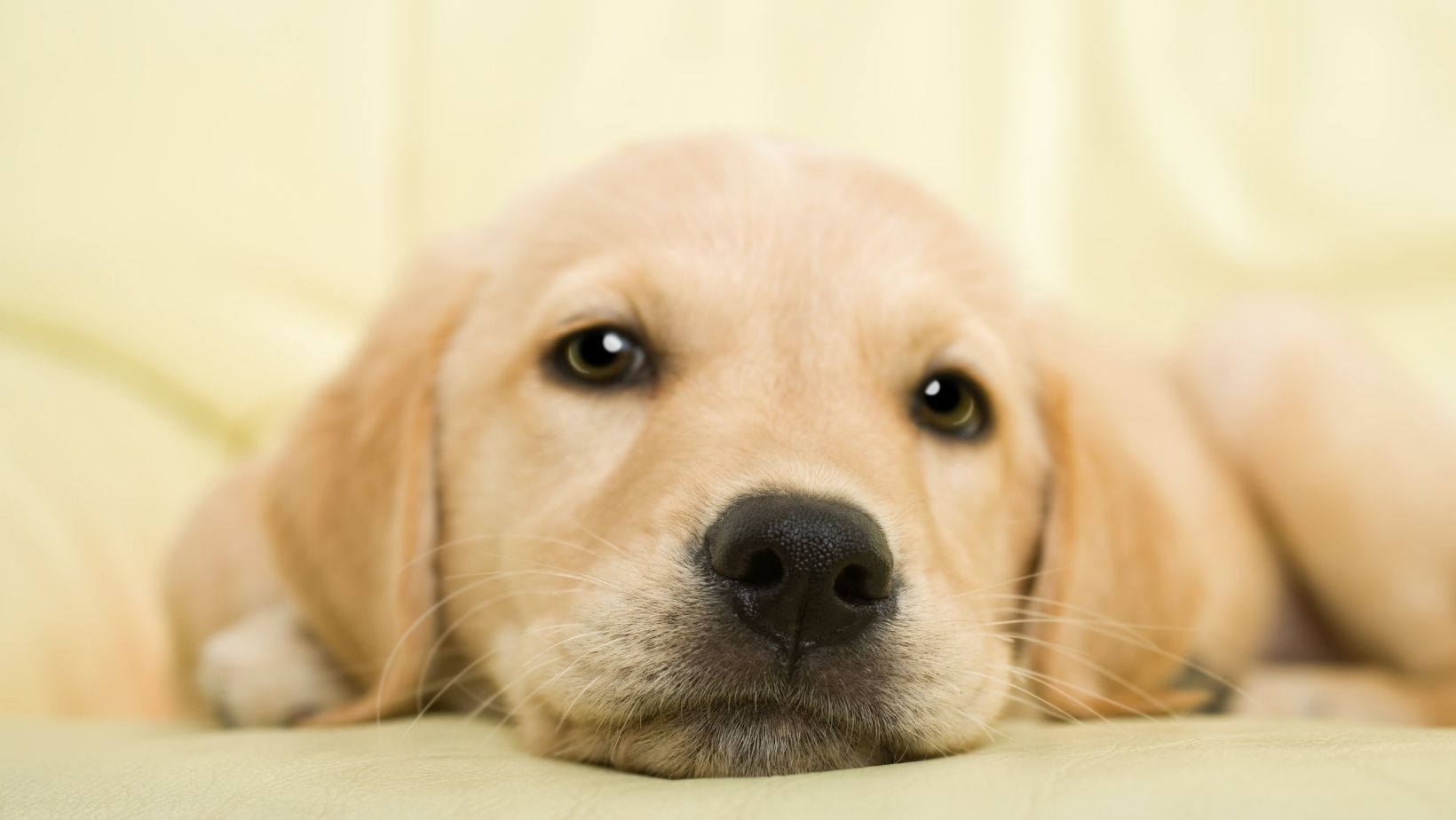
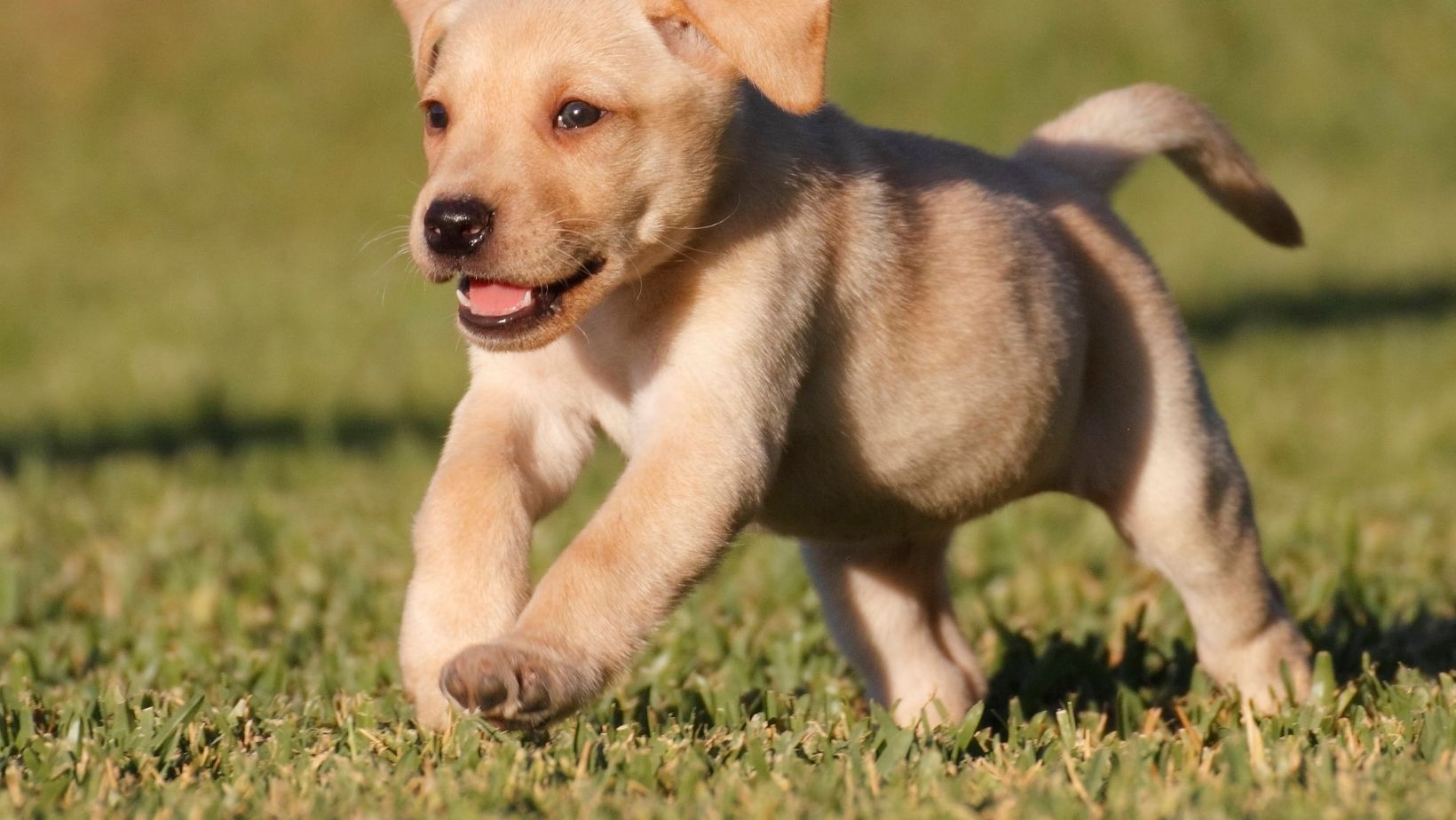
Bringing home a Labrador puppy is one of the most joyful things you can do – and one of the messiest. Those big paws, that wagging tail, that boundless enthusiasm… and yes, those puddles on the kitchen floor at 6am.
Here’s the thing: Labradors are one of the most trainable breeds on the planet. They’re eager to please, food-motivated, and quick to pick up routines. That means potty training a Lab puppy, while it does require consistency and patience, is very much within reach – even for first-time dog owners.
This guide walks you through everything you need to know, step by step, so you and your puppy can get through this stage with your sanity (and your rugs) mostly intact.
Why Labradors Are Actually Great Students
Before diving into the how, it helps to know a little about the why. Labrador Retrievers were bred to work closely with humans – retrieving game, following instructions, and responding to cues. That working dog background means they’re hardwired to pay attention to you and to look for patterns in their environment.
This is great news for potty training. Labs don’t need to be forced into a routine – they genuinely thrive on one. Once your puppy understands what’s expected and where to go, they’ll often remind you when it’s time. The challenge in the early weeks is simply that their bladders haven’t caught up with their brains yet.
What to Expect in the First Few Weeks
Puppies under 12 weeks old have very little bladder control. They can hold it for roughly one hour per month of age – so an 8-week-old puppy needs to go out every two hours at most, including overnight. This is completely normal and not a reflection of how well training is going.
By 4–6 months, most Labs have enough physical control to hold it for longer stretches, and patterns become more predictable. Full reliability usually comes somewhere between 6 months and a year, depending on consistency and the individual dog.
Knowing this timeline helps you stay patient during the messy early weeks. Accidents aren’t setbacks – they’re just part of the process.
Setting Up for Success: Before You Start
A little preparation goes a long way.
Choose a designated outdoor bathroom spot. Pick one specific area in your garden or outside your home and take your puppy there every single time. The familiar scent will cue them to go faster, which means fewer opportunities for accidents on the way back inside.
Stock up on enzymatic cleaner. When accidents happen indoors (and they will), you need a cleaner that fully breaks down the proteins in dog urine – not just masks the smell. If your puppy can still detect the scent of a previous accident, they’re more likely to use that spot again.
Have treats ready at all times. In the early stages of potty training, you want to reward your puppy within seconds of them finishing outside. Keep small, soft treats in your pocket whenever you take them out.
Set up an indoor backup for gaps. There will be times when you can’t get your puppy outside quickly enough – nap time, bad weather, or during the night. Having a designated indoor option, like a reusable potty pad placed near the door, gives your puppy a specific spot to use that contains accidents and keeps them away from your floors and furniture. Reusable pads are especially practical for Lab puppies because they’re absorbent enough to handle the volume, and they’re easy to wash and reset.
The Core Routine: How to Actually Do It
Consistency is everything. The more predictable your routine, the faster your Lab puppy will learn.
Take your puppy out at these key moments – every time:
- First thing in the morning – immediately, before anything else
- After every meal – within 10–15 minutes of eating
- After naps – even short ones
- After play sessions – excitement speeds up the need to go
- Before bed – the last thing you do every night
- Every 1–2 hours during the day in the early weeks
That might sound like a lot, and it is – but this intensive phase doesn’t last forever. Within a few weeks, you’ll start to see your puppy signaling before you even need to prompt them.
What to do when you get outside:
Take your puppy to their designated spot and wait. Don’t play, don’t chat, don’t get distracted by your phone. Just stand there calmly and give them a chance to sniff and settle. Some puppies go immediately; others take a few minutes.
The moment they finish – not while they’re going, but immediately after – praise them warmly and give them a treat. Make it a small celebration. Your Lab will quickly associate going outside with good things happening, and that association is the engine behind the whole training process.
If they don’t go after 5 minutes, calmly go back inside, supervise closely, and try again in 15–20 minutes.
Supervising Indoors: The Part Most People Underestimate
What happens inside the house matters just as much as what happens outside. Unsupervised puppies will find a quiet corner and use it – not out of defiance, but simply because they needed to go and no one was watching.
During the early weeks, keep your puppy in the same room as you at all times. If you can’t watch them, use a crate or a playpen. Labs generally take well to crate training because dogs instinctively avoid soiling their sleeping area – this instinct works in your favor and helps your puppy build bladder control naturally over time.
A good rule: if you wouldn’t let a toddler wander unsupervised in your home, don’t let your puppy either.
How to Handle Accidents (Without Undoing Your Progress)
Accidents will happen. How you respond to them matters more than the accident itself.
Never punish after the fact. If you find a puddle and your puppy isn’t still in the act, they cannot connect your reaction to what they did. Rubbing their nose in it, scolding, or acting frustrated will only confuse and stress them – and stress makes accidents more likely, not less.
If you catch them in the act, a calm, firm “outside” and a quick trip to their spot is all you need. If they finish outside, reward them as normal.
Clean the spot thoroughly with enzymatic cleaner and move on. Every accident is information – if you’re seeing a lot of them in the same spot or at the same time of day, that’s a signal to adjust your schedule or supervision.
Reading Your Puppy’s Signals
One of the most useful things you can do during potty training is learn to read your specific puppy. Labs are expressive dogs, and most develop clear pre-bathroom behaviors once you know what to look for.
Common signals include:
- Sniffing the ground in circles
- Suddenly stopping play and looking distracted
- Walking toward the door or a corner
- Whining or pawing
When you spot these, move quickly and calmly to the door. The more you respond to their signals, the more your puppy will learn that signaling works – and they’ll do it more deliberately over time.
Common Mistakes to Avoid
Even well-intentioned owners can accidentally slow down the process. Here are the most common pitfalls:
Giving too much freedom too soon. Roaming the whole house is a privilege earned through reliability, not a starting point. Expand your puppy’s access gradually as they demonstrate consistent behavior.
Inconsistent scheduling. If bathroom trips happen at random times, your puppy can’t build the internal clock that makes potty training click. Predictability is the point.
Skipping the reward. It’s easy to get complacent once things are going well and forget to praise. Keep rewarding outdoor success throughout the training period – the habit isn’t fully set until it’s set.
Expecting too much too soon. A 10-week-old Lab who has an accident isn’t failing – they’re a baby. Calibrate your expectations to their developmental stage and you’ll find the whole process far less frustrating.
A Note on Nighttime
Overnight is often the hardest part for new puppy owners. Most puppies under 12 weeks cannot physically make it through the night without needing to go. Setting an alarm to take them out once or twice in the night isn’t a step backward – it’s just reality for a few weeks.
Keep nighttime trips low-key: no play, no big greetings, just a quiet trip out and back into the crate. Your puppy will learn that nighttime is for sleeping, not socializing, and the overnight stretch will gradually lengthen as their bladder capacity grows.
You’ve Got This
Potty training a Labrador puppy takes a few weeks of focused effort, but the payoff is a dog who is reliable, communicative, and genuinely proud of doing the right thing. Labs want to get it right – your job is just to make it clear what “right” looks like, and to celebrate every time they get there.
Stay consistent, stay patient, and remember: every dog trained in this world was once a puppy making puddles on the floor. You’re in good company.