When we think about feeding our dogs, most of us focus on providing a complete and balanced diet. While this is essential, it doesn’t always account for the changing needs a dog experiences throughout life. Just like humans, dogs go through different stages — from energetic youth to slower, more delicate senior years — and their nutritional requirements shift along the way.
One area that is often overlooked is maintaining healthy body condition and muscle mass, particularly during times of change such as ageing, illness, recovery or increased activity. These moments can place additional demands on a dog’s body, and in some cases, their regular diet alone may not fully meet those needs.
Why muscle matters more than you might think
Muscle is not just about strength — it plays a vital role in a dog’s overall health and mobility. Healthy muscle mass:
- Supports joints and reduces strain
- Improves balance and coordination
- Helps prevent injuries during movement
- Contributes to endurance and energy levels
When a dog loses muscle, it’s not always immediately obvious. They may still appear to be a normal weight, but underneath, their body composition may be changing. Over time, this can lead to weakness, stiffness and a reduced ability to stay active.
Ageing and the gradual loss of condition
As dogs grow older, their bodies naturally begin to change. Appetite can decrease, digestion may become less efficient, and muscle mass can slowly decline. This process is gradual, which is why it often goes unnoticed until there are visible signs such as reduced mobility or reluctance to exercise.
Maintaining muscle and condition in older dogs is crucial for preserving their independence and quality of life. Strong muscles help stabilise joints, support posture and reduce the risk of falls or injuries.
However, simply increasing food portions isn’t always the answer. Older dogs may not tolerate larger meals well, and excess calories can lead to fat gain rather than meaningful muscle support. This is where targeted nutritional strategies can make a difference.
Recovery: when the body needs extra support
Periods of illness or injury can have a significant impact on a dog’s condition. Even a short illness can lead to:
- Loss of appetite
- Weight loss
- Reduced muscle mass
- Lower energy levels
Recovery doesn’t end when the illness does. In many cases, the body needs time — and the right nutrition — to rebuild strength and restore normal function.
Similarly, after surgery, especially procedures that limit movement, dogs may lose muscle due to inactivity. Supporting the body during this time is essential to ensure a smoother return to normal activity.
The role of supplementation
There are times when a standard diet, even a high-quality one, may not fully support a dog’s needs. This is where supplementation can be beneficial — not as a replacement for food, but as a way to enhance and support it.
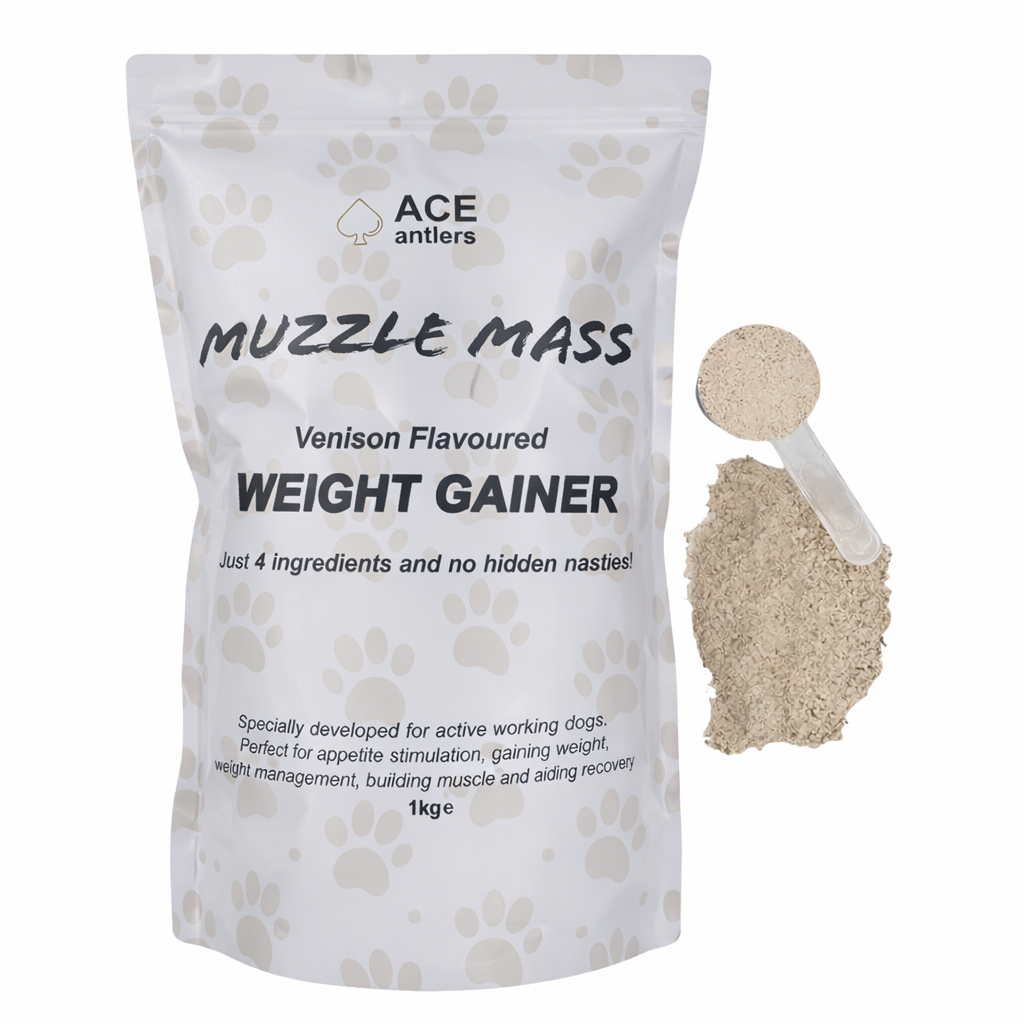
For dogs that need additional help maintaining weight or rebuilding condition, a weight gainer for dogs can provide concentrated nutritional support without requiring large increases in food volume. This is particularly useful for:
- Dogs with reduced appetite
- Dogs recovering from illness or surgery
- Active or working dogs with higher energy demands
- Senior dogs experiencing muscle loss
The key is to focus on quality rather than quantity — providing nutrients that support muscle and condition, rather than simply adding extra calories.
Preventing injuries through better condition
Good nutrition doesn’t just support recovery — it also plays a role in prevention. Dogs with strong muscles and stable condition are less likely to suffer from injuries such as strains, sprains or joint issues.
This is especially important for:
- Dogs that run, jump or play regularly
- Breeds that are naturally active
- Dogs returning to activity after rest
By maintaining muscle and overall condition, you help your dog’s body cope better with physical demands and reduce the risk of setbacks.
Appetite and consistency
One of the biggest challenges in supporting a dog’s condition is inconsistent eating. Some dogs, particularly older ones or those recovering from illness, may become fussy or eat less than usual.
Ensuring consistent nutrient intake is more important than simply offering more food. In these situations, adding a supplement that is easy to mix with meals and appealing to eat can make a significant difference.

A proactive approach to your dog’s wellbeing
Supporting your dog’s condition isn’t something that should only be considered when a problem appears. Taking a proactive approach — especially as your dog ages — can help maintain strength, mobility and overall wellbeing for longer.
By paying attention to changes in weight, muscle tone and appetite, and adjusting nutrition accordingly, you can help your dog stay active, comfortable and resilient throughout their life.
Final thoughts
Every dog is different, and their nutritional needs will vary depending on age, lifestyle and health. However, one thing remains consistent: maintaining healthy weight and muscle is essential for long-term wellbeing.
Whether your dog is ageing, recovering, highly active or simply needs a little extra support, thoughtful nutrition — including the right supplementation when needed — can play a key role in helping them live a strong, healthy and happy life.