
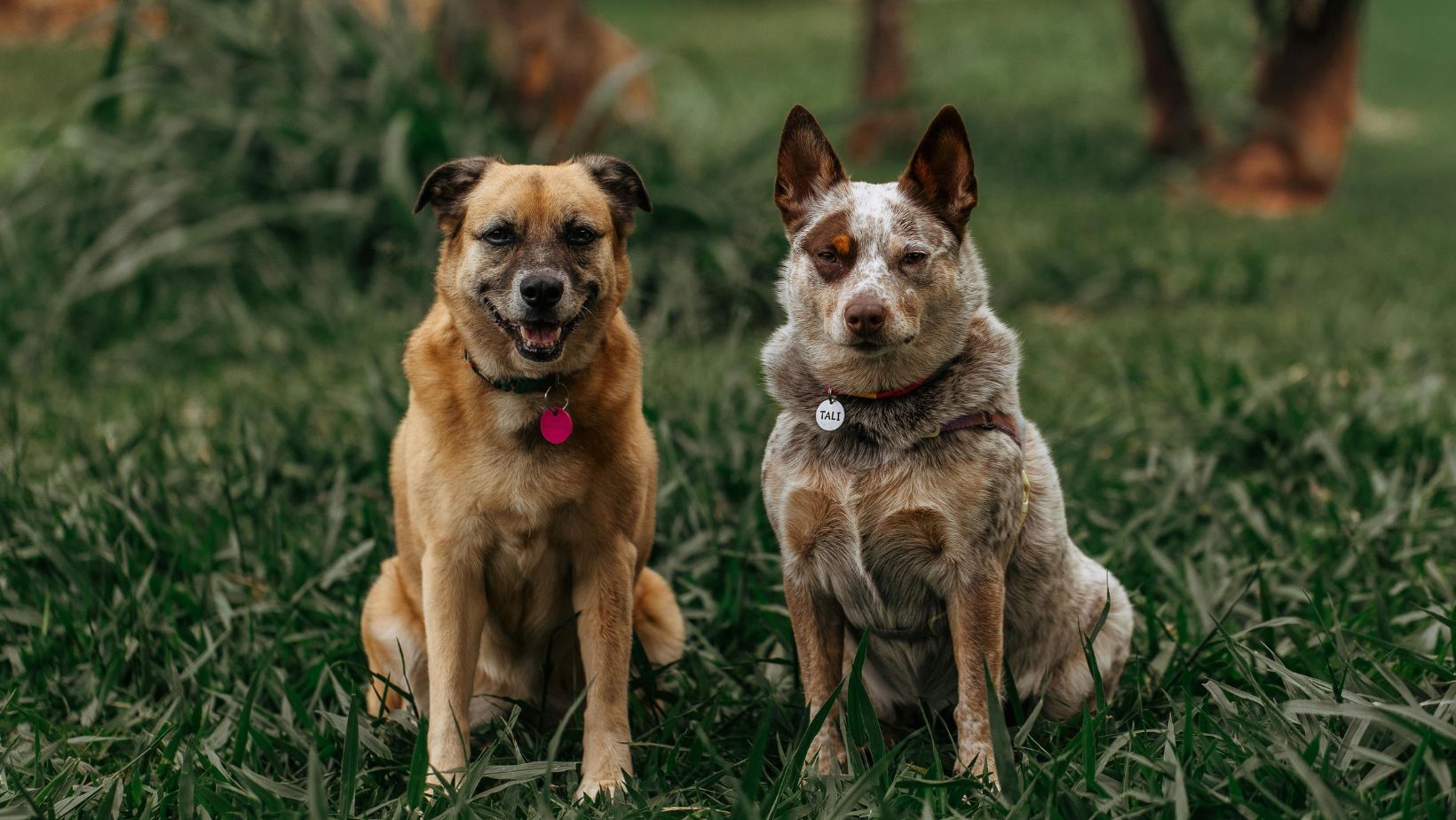
There’s something oddly comforting about opening an app and seeing your dog’s little icon moving around safely in the yard. That’s exactly why tracking collars have become so popular. They give us something we all want more of: peace of mind.
But while they’re incredibly helpful, it’s important to understand what these devices can and can’t do.
How Tracking Collars Work
Tracking collars were originally developed for hunters who needed to locate dogs working in open fields and forests. Over time, the technology evolved. Batteries improved. Signals got stronger. Devices became smaller and more durable. Now, everyday dog owners use them during hikes, backyard time, or neighbourhood walks.
Most tracking collars rely on either radio frequency or GPS technology. Radio frequency collars communicate with a handheld receiver and are often used in rural settings without cellular coverage. GPS collars connect to satellites and cellular networks to provide wider coverage and app-based tracking.
Most modern GPS collars for dogs offer features like real-time tracking, movement history, health monitoring, and geofencing alerts that notify you when your dog leaves a designated area.
It sounds high-tech but it’s still technology, which means it does come with some limits.
DO Match the Tracker to Your Environment
If you live in a city or suburb with strong mobile coverage, cellular GPS trackers tend to work well. Some companies, including Tractive, use LTE-M networks along with Bluetooth and Wi-Fi to enhance reliability. In more remote areas, satellite-based trackers may be the better option.
DON’T Assume Real-Time Is Perfect
Many devices advertise real-time tracking. In reality, there can be slight delays between your dog’s movement and the app update. Signal strength, connection quality, and environmental obstacles like dense foliage or tall buildings, all play a role and can still interfere with accuracy.
That doesn’t mean the tracker isn’t working, it just means expectations should be realistic.
DO Keep an Eye on Battery Life
Battery performance depends on connection type and usage. Devices that need constant satellite communication can drain faster than those that connect only when necessary. Bluetooth trackers typically use less power but have limited range, often about 100 feet.
If you use live tracking frequently, expect the battery to drain more quickly. Make charging part of your normal routine so the device is ready when you need it.
DON’T Rely on a Tracker Alone
This is where many pet owners get a little too confident.
Tracking collars are great tools, but they should never replace a visible ID tag or a microchip. Batteries die. Signals drop. Devices can get damaged or lost. If someone finds your dog, the fastest way home is usually an ID tag. Microchips provide permanent identification, but they do require someone to scan your dog at a vet or shelter. A tag works instantly. It doesn’t need charging. It doesn’t depend on satellites.
DO Choose Devices Designed Specifically for Pets
It can be tempting to attach a general-use Bluetooth tracker to your dog’s collar, but devices made by key-tracking brands weren’t built with dogs in mind. They rely on crowd-sourced networks, meaning they work best when other users with the same app are nearby.
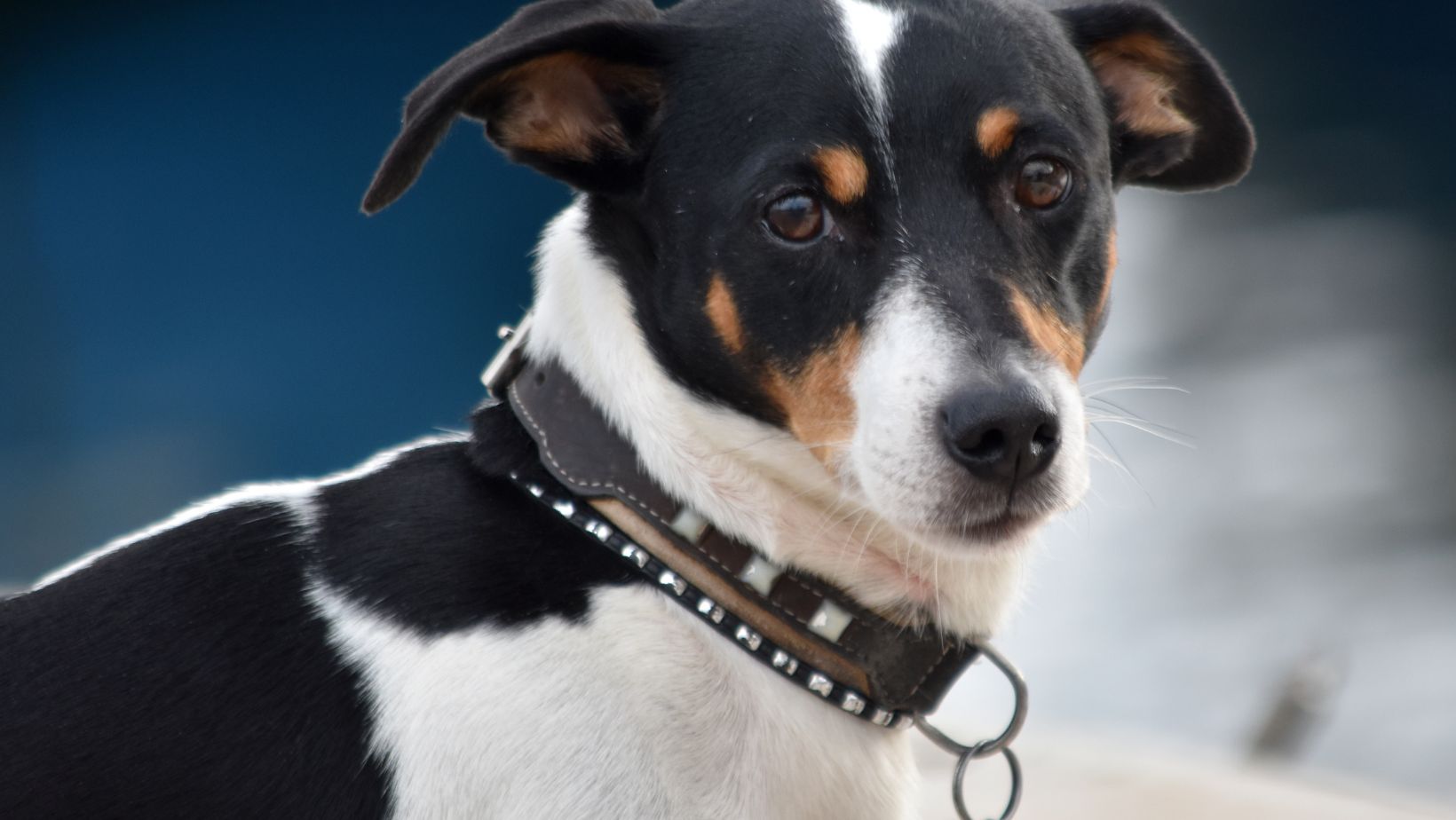
Pet-specific trackers are built for movement, durability, waterproofing, and real-time tracking needs. Some brands focus on activity and wellness tracking. Others emphasize lost pet recovery features. The important thing is choosing a device that fits your priorities.
DO Use Virtual Fences as Alerts, Not Barriers
Geofencing is a useful and reassuring feature. You can set a safe zone around your home and receive alerts if your dog leaves it.
But a digital boundary won’t physically stop your dog. Physical fences will always be the best way to prevent a dog from getting out. Virtual fences are a bonus, not a replacement.
Final Thoughts
Tracking collars are powerful tools. They’re reliable, durable, and more feature-packed than ever before. They can increase the chances of a safe reunion if your dog ever wanders off.
But the smartest approach is layered protection: a tracking collar, a visible ID tag, and a microchip working together.
Tracking the love isn’t about watching your dog’s every move. It’s about using smart tools wisely, so that if your dog ever does take off on an unexpected adventure, you’re ready.
