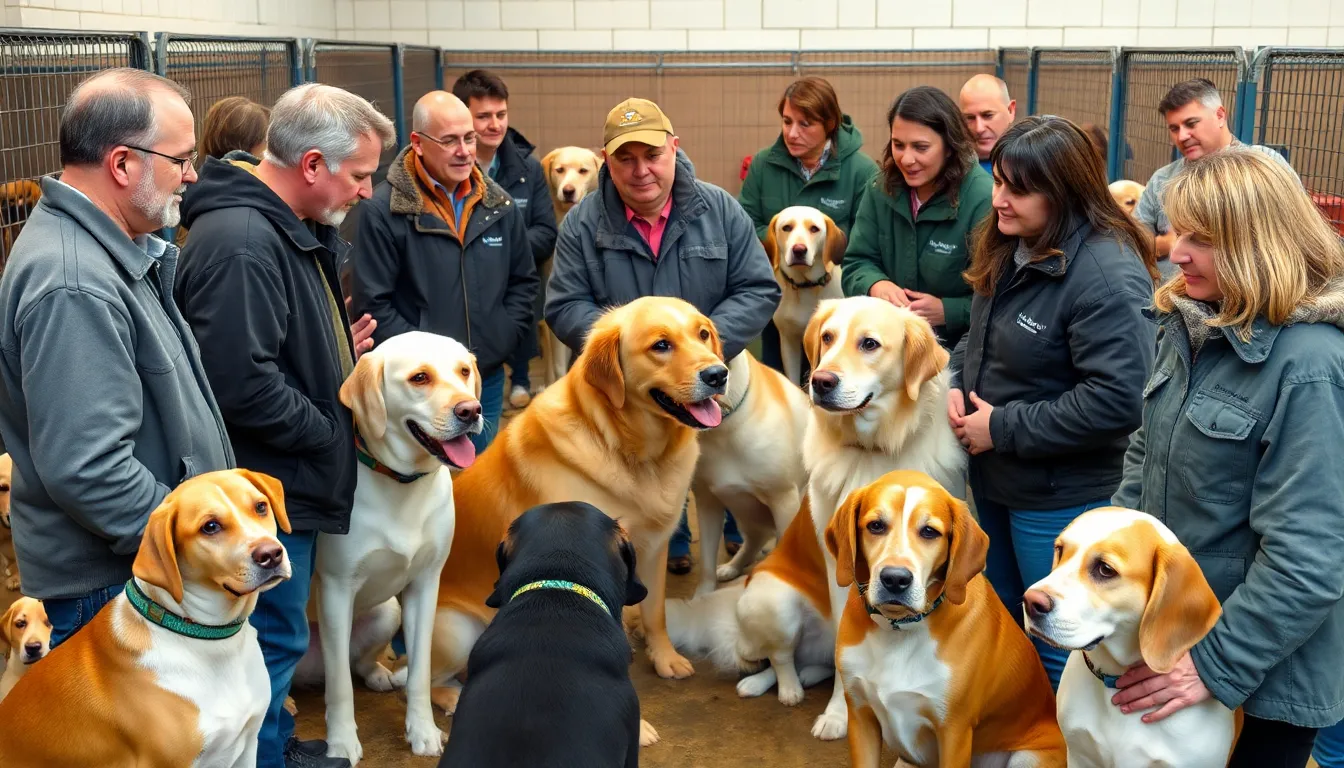

Becoming a dog breeder is a rewarding yet challenging journey for those passionate about canines. It involves more than just pairing dogs; it requires a deep understanding of genetics, health, and breed standards. Aspiring breeders must navigate the intricacies of canine care, ensuring that each pup is not only healthy but also well-socialized. With the growing popularity of specific breeds, the demand for knowledgeable breeders has never been higher. This article explores the essential steps to embark on this fulfilling path, from selecting the right breeds to understanding the responsibilities that come with breeding. Whether someone dreams of producing champion show dogs or beloved family pets, the journey begins with informed decisions and a commitment to the welfare of the animals.
Becoming a Dog Breeder
Understanding dog breeding encompasses knowledge of genetics, health, and breed standards. Careful consideration ensures the successful production of healthy puppies and informed decisions benefit the breeder’s goals.What Is Dog Breeding?
Dog breeding is the practice of mating selected dogs to produce specific qualities and traits in their offspring. Breeders may focus on characteristics such as temperament, appearance, and health. Understanding lineage and genetic compatibility guides successful breeding practices, enhancing the likelihood of desirable outcomes in puppies.Importance of Responsible Breeding
Responsible breeding ensures the health and well-being of both the parent dogs and their puppies. It involves implementing health screenings, adhering to breed standards, and providing proper care. Ethical breeders prioritize the welfare of the dogs over profit, contributing to a reduction in hereditary health issues. Responsible practices foster trust between breeders and the community, promoting a positive image of breeding while aiding in the prevention of overpopulation and abandonment in shelters.Getting Started as a Breeder