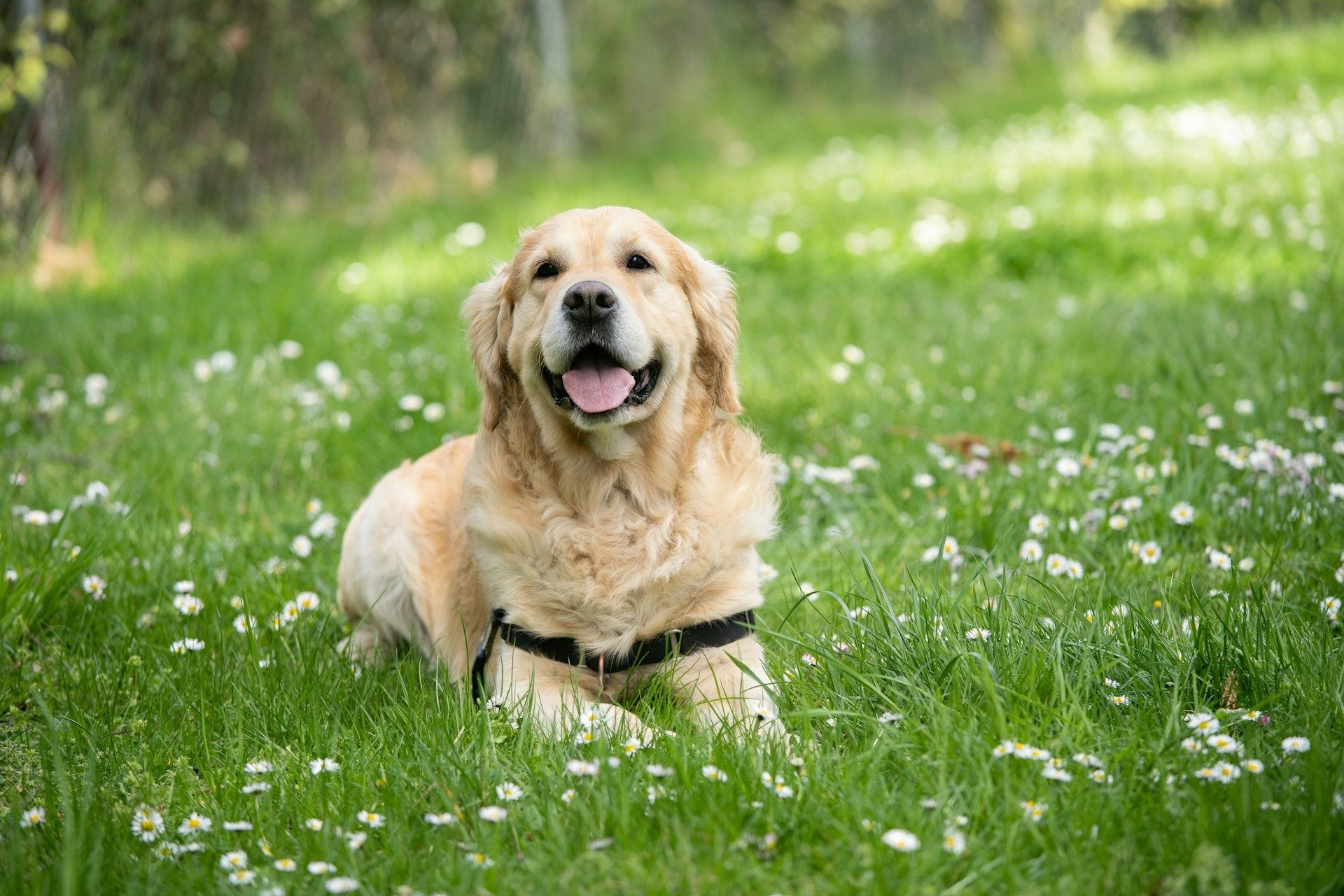
Boarding a Labrador is not the same as boarding a Shih Tzu. That sounds obvious, but the number of facilities that treat every dog identically suggests the distinction gets lost more often than it should. Labs are big, social, emotionally intense animals that were bred to work alongside people all day. Remove the person and replace them with a kennel run, and something needs to fill that gap. Otherwise the result is a 30-kilogram dog pacing, barking, and chewing through bedding by hour four.
The stakes are not small in Canada. The Canadian Kennel Club just confirmed the Labrador Retriever as the country’s most popular breed for the 32nd consecutive year, and it holds a distinction no other dog in the top ten can claim: it is the only original Canadian breed on the list, descended from working dogs in Newfoundland. Canadians did not just adopt this breed. They built it. Which means every boarding facility in the country will board Labs, and the good ones plan for the breed rather than around it.
The Three Traits That Define a Lab’s Stay
Every Labrador brings the same three characteristics into a boarding environment: high energy output, deep social bonding, and a food drive that can turn a two-week stay into a weight management problem if nobody is paying attention.
A healthy Lab needs 60 to 90 minutes of real physical activity per day to stay calm and content. Not a lap around a concrete yard. Structured movement, play, and engagement. A facility that cannot explain exactly how it meets that threshold is not set up for this breed, no matter how clean the runs are or how competitive the pricing looks.
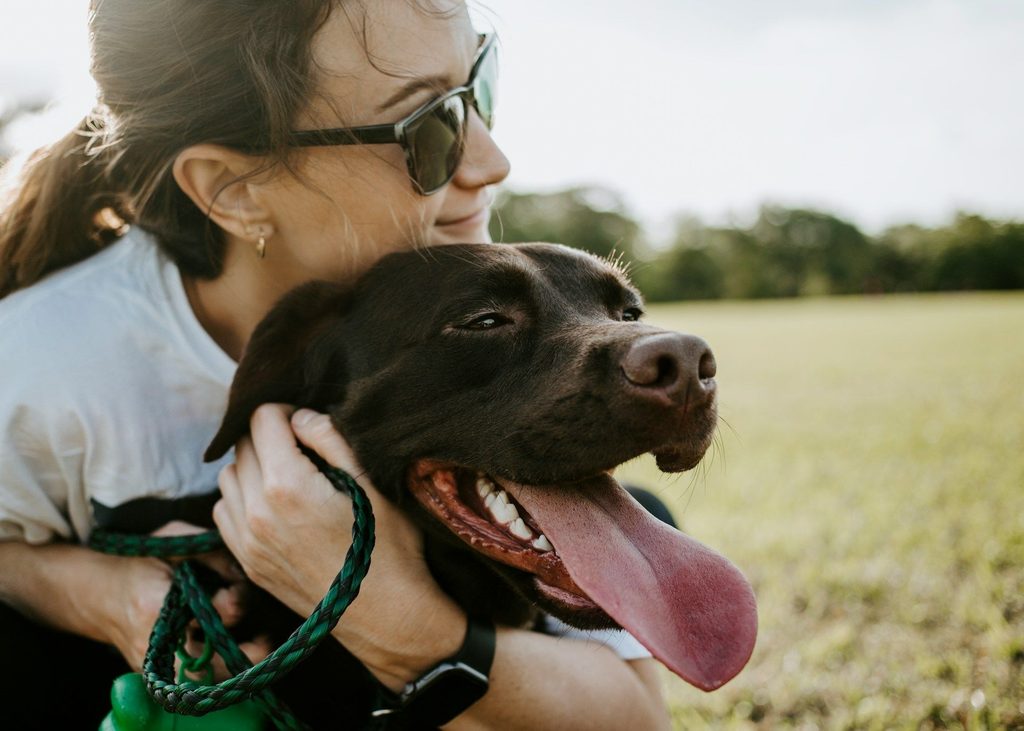
Labs also bond hard. They attach to their families and they attach to the staff who care for them. That attachment is why separation anxiety hits this breed so consistently, and it is also why a good facility can turn things around quickly. When staff engage individually with a Lab, track behavioural changes from day one, and adjust the routine accordingly, most dogs settle within 24 to 48 hours. The shift shows up in appetite, sleep quality, and willingness to play with other dogs.
The food drive is the one people underestimate, and it turns out it is not a character flaw. University of Cambridge researchers found that roughly a quarter of all Labradors carry a mutation in the POMC gene that leaves them hungrier between meals and burning about 25 percent fewer calories than unaffected dogs. In other words, a significant share of Labs are genetically hard-wired to seek food constantly while needing less of it. That is exactly the wrong combination for a boarding environment where a well-meaning staffer might toss an extra scoop of kibble to a dog giving them the eyes. It is why the better facilities require written feeding instructions with exact portion sizes at check-in, and why owners should provide them without being asked.
Separation Anxiety Is the Real Challenge
Labradors are prone to separation anxiety because the breed was built for partnership, not independence. An abrupt transition to a new environment can trigger pacing, whining, reduced appetite, and destructive chewing. Facilities that leave dogs isolated in runs for long stretches without interaction make this worse, not better.
The fix is not complicated, but it does require staffing and intention. Consistent daily routine. Predictable feeding times. Socialization sessions with other dogs. Calm, familiar human contact throughout the day. When those pieces are in place, the anxiety resolves. When they are not, it escalates. There is no shortcut here, only structure and patience.
Preparing for a First Stay
The single most effective thing a Lab owner can do before a first boarding stay is bring the dog for a short introductory visit. Let them sniff the space, meet the staff, and build a positive association before the real drop-off. A worn t-shirt or familiar blanket from home extends that comfort into the kennel, and most quality facilities actively encourage it.
On drop-off day, keep things brief and neutral. Extended goodbyes signal to a Lab that something is wrong. Hand over the bedding, confirm feeding instructions, verify the communication process with staff, and leave. Those three steps matter more than anything else on day one.
Vaccinations Are Non-Negotiable
Every responsible boarding facility requires current vaccination records, and this protects every animal on site. In Alberta, the standard requirements are distemper, parvovirus, adenovirus (typically combined in a DHPP vaccine), rabies, and Bordetella (kennel cough). A facility that accepts dogs without a current vaccination certificate is cutting a corner that should never be cut.
Bordetella is especially important for Labs in a social boarding environment because the pathogen spreads through airborne droplets in spaces where dogs interact closely. Veterinarians typically recommend administering the Bordetella vaccine at least 48 to 72 hours before entering a facility. Owners unsure of their dog’s status should schedule a vet appointment two to three weeks before their travel date so any boosters have time to take effect.
What to Actually Look for in a Facility
Forget the marketing photos. The things that matter for a Labrador are structured daily exercise, supervised group socialization, staff trained in large-breed behaviour, and sanitary sleeping areas. A heated, washable surface like sealed cement is far more hygienic than carpet or indoor grass matting, which harbour bacteria and odour no matter how often they are spot-cleaned.
Confirm that exercise is a scheduled part of every day, not an optional add-on. Ask whether the facility balances group play with quiet downtime, because even the most social Lab needs recovery periods. Published pricing, clear policies, and a transparent communication process during the stay are practical signals that the operation is structured and respects the people trusting it with their dog.
Dog Hotel vs. In-Home Sitter
For most healthy, socially confident Labs, a licensed and insured dog hotel outperforms an in-home sitter on the things this breed actually needs: consistent exercise, socialization with other dogs, and around-the-clock supervision from trained staff. A sitter can offer warmth and a familiar setting, but one person typically cannot match the structured activity schedule or safety infrastructure of a purpose-built facility. Dog hotels also carry commercial liability insurance and operate under licensing standards that individual sitters are not required to meet.
The honest exception: a Lab with severe separation anxiety or a medical condition requiring close monitoring may do better with the familiarity of an in-home arrangement. For the majority of Labs, though, a structured boarding facility provides more stimulation, more safe interaction, and more consistent oversight.
How Long Can a Lab Stay, and What Are the Warning Signs
Most well-adjusted Labs handle one to two weeks at a quality facility without significant stress, provided exercise and socialization are consistent from day one. Research on canine welfare in boarding environments shows that cortisol levels typically normalize within 48 to 72 hours as the dog establishes a new routine. For longer stays, photo and video check-ins have become a reasonable expectation rather than a luxury, both to reassure families and to keep staff accountable for flagging behavioural changes early.
The stress indicators to watch for are straightforward: sustained refusal to eat past the first 24 hours, persistent vocalization during rest periods, and visible weight loss. A reputable facility monitors these daily and contacts owners promptly when they appear.
What This Looks Like in Practice
Demand for this kind of boarding is highest exactly where Labs are most common. The Prairie provinces have the highest dog ownership rate in Canada at 40 percent of households, well above the national average, and Alberta’s boarding market reflects it. Club Mead, a licensed and insured pet resort near Edmonton International Airport, is a useful example of how the standards above translate into an actual operation: heated washable cement sleeping surfaces, mandatory vaccination certificates before check-in, written feeding instructions collected at drop-off, photo and video check-ins during extended stays, and a published flat rate of $35 per 24 hour stay regardless of breed size. None of that is exotic. It is simply the checklist working.
Owners evaluating any facility, in Alberta or anywhere else, can hold it to the same standard: published pricing with no surprises, scheduled daily exercise, transparent communication, and staff who can describe how they handle a large, food-driven, people-oriented dog. If the answers are vague, keep looking.
How to Know It Went Well
A successful stay produces three results an owner can actually measure: the dog comes home at a healthy weight, shows no signs of sustained stress in the days after pick-up, and willingly re-enters the facility on a future visit. Labs who have had a genuinely positive boarding experience tend to pull toward the entrance on return trips. That is the signal worth watching for.
A facility that understands this breed turns what could be an anxious separation into something better: a real break for the family and a good time for the dog. Given that the Lab has been Canada’s dog of choice for more than three decades, facilities that get this right will never be short of grateful clients.