
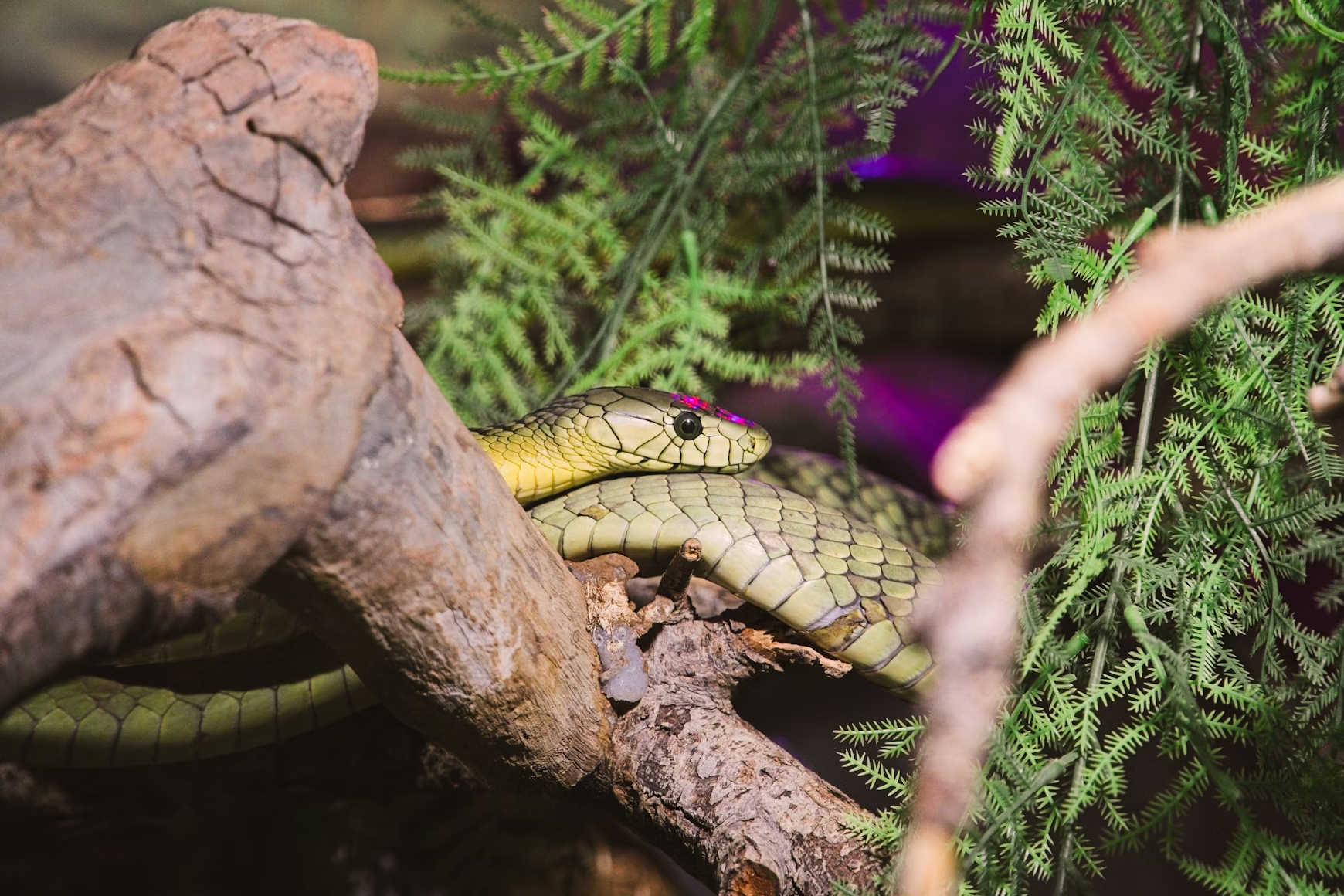
Creating a proper snake habitat isn't just about buying a tank and adding some substrate — it's about replicating the complex environmental conditions that allow these remarkable predators to thrive in captivity. While snakes have adapted to virtually every habitat on Earth, from desert sands to tropical rainforests, the artificial environments we create for them must balance multiple factors simultaneously: temperature gradients, humidity levels, hiding spots, and substrate depth.
The stakes couldn't be higher for new snake owners navigating this learning curve. A poorly designed habitat doesn't just cause discomfort — it triggers stress responses that suppress immune function, disrupt feeding patterns, and can lead to life-threatening health complications within weeks. As exotic pet ownership continues growing and veterinary understanding of snake physiology advances, the gap between adequate and optimal care has become increasingly clear.
For anyone committed to responsible snake ownership, mastering these environmental fundamentals forms the foundation for everything else — from consistent feeding responses to successful breeding programs. The complexity might seem daunting initially, but understanding how these pieces fit together transforms snake keeping from guesswork into precise husbandry that supports natural behaviors and long-term health.
How to Create a Comfortable Snake Habitat
Temperature regulation drives nearly every aspect of snake biology, making thermal management your most critical habitat consideration. Unlike mammals, snakes rely entirely on external heat sources to regulate their body temperature, which means your enclosure must provide a thermal gradient ranging from a basking spot of 88-95°F down to a cool side of 75-80°F, depending on your species. This gradient allows snakes to thermoregulate by moving between zones throughout the day.
Humidity control requires equally precise attention, as most species need levels between 50-70% to support proper shedding and respiratory health. Desert species like ball pythons need the lower end of this range, while tropical species require higher humidity levels. Use digital hygrometers placed at both the warm and cool ends of the enclosure, as humidity naturally varies across the temperature gradient. Providing a humid hide filled with damp sphagnum moss gives snakes access to higher humidity when needed without affecting the overall enclosure climate.
Substrate selection impacts both hygiene and natural behavior. Aspen shavings work well for many species because they allow burrowing while remaining easy to spot-clean. Cypress mulch retains humidity better for species requiring higher moisture levels. Avoid cedar or pine shavings, which contain aromatic oils that can irritate snake respiratory systems. The substrate depth should accommodate your snake's natural behaviors — burrowing species need at least 3-4 inches, while arboreal species require minimal depth but extensive climbing structures.
Your enclosure materials and setup should prioritize both security and observation. Glass terrariums provide excellent visibility and maintain humidity well, while PVC enclosures offer superior insulation and temperature stability. Ensure the enclosure is at least as long as your snake and provides multiple hiding spots — one on the warm side, one on the cool side, and ideally a humid hide. Proper ventilation prevents stagnant air while maintaining humidity levels, typically achieved through screened tops with some ventilation holes near the bottom of the enclosure.
What Are the Essential Feeding and Nutritional Needs for Snakes?
Snake feeding differs fundamentally from other pets because these predators have evolved to consume large meals infrequently rather than daily portions. Most adult snakes thrive on feeding schedules ranging from every 7-14 days, with younger snakes requiring more frequent meals every 5-7 days due to their rapid growth rates. The prey size should create a visible bulge when swallowed — typically 10-15% of the snake's body weight for optimal digestion.
Pre-killed frozen prey has become the standard recommendation among herpetologists for several practical and safety reasons. Frozen rodents eliminate the risk of prey animals injuring your snake during feeding, while also ensuring consistent nutrition and reducing parasite transmission. Thaw prey completely and warm it to approximately 98-100°F using warm water before offering — snakes rely on heat detection to recognize food, and cold prey may be rejected entirely.
The nutritional quality of feeder animals varies significantly based on their diet and care before freezing. Research from exotic veterinary nutritionists suggests that prey animals fed high-quality diets provide better nutritional profiles for captive snakes. Rotating between different prey types — mice, rats, and occasionally chicks or quail for appropriate species — can provide dietary variety that supports optimal health, though this isn't strictly necessary for most common pet species.
Hydration needs often get overlooked, but snakes require constant access to clean water for both drinking and soaking. The water bowl should be large enough for your snake to completely submerge, as many species soak regularly to aid shedding and maintain proper hydration. During professional reptile health care assessments, veterinarians often find that dehydration contributes to shedding difficulties and kidney stress, making water quality and availability critical components of proper husbandry.
How to Recognize and Manage Common Snake Health Challenges
How Should You Care for Snakes During Shedding?
The shedding process reveals much about your snake's overall health and habitat quality. Healthy snakes typically shed every 4-8 weeks, with the process beginning when their eyes turn milky blue and their colors become dull. This "opaque" phase indicates the start of ecdysis, during which snakes often refuse food and may become more reclusive or defensive.
Environmental adjustments during shedding can prevent complications that lead to stuck shed and potential infections. Increase humidity levels by 10-15% during the opaque phase by adding damp towels over part of the screen top or misting the enclosure lightly. Provide rough surfaces like branches or rocks that help snakes rub off the old skin — many keepers add a "shed box" containing damp moss for this purpose.
Monitor the shed completion carefully, as retained pieces around the eyes, tail tip, or between scales can restrict blood flow and cause serious health issues. A complete shed should come off in one piece or several large sections. If you notice stuck pieces after 24-48 hours post-shed, provide a warm, shallow water soak and gently assist removal with damp cotton swabs, working in the direction of scale growth.
What Are the Signs of Stress and Illness in Snakes?
Behavioral changes often provide the earliest indication of health problems in snakes. Sudden shifts in feeding response, unusual aggression or excessive hiding, and changes in normal activity patterns all warrant attention. Healthy snakes maintain predictable routines — a typically calm snake becoming defensive or a good feeder suddenly refusing meals suggests environmental stress or illness.
Physical symptoms requiring immediate veterinary attention include mouth rot (visible inflammation or discharge around the mouth), mites (tiny moving dots on the skin), respiratory infections (mouth breathing, wheezing sounds, or mucus), and scale rot (discolored or soft belly scales). These conditions progress rapidly in reptiles and respond much better to early treatment than delayed intervention.
Temperature and humidity fluctuations cause the majority of stress-related health issues in captive snakes. Inadequate heating leads to poor digestion, increased susceptibility to respiratory infections, and feeding refusal. Excessive humidity promotes bacterial growth and scale rot, while insufficient humidity causes shedding problems and dehydration. Regular monitoring with calibrated instruments helps identify environmental problems before they manifest as health crises.
What Should You Know About Snake Behavior and Handling?
How Do Temperament Differences Affect Care?
Species-specific temperament traits significantly influence both daily care routines and long-term management strategies. Ball pythons typically exhibit calm, defensive behaviors, often forming tight balls when stressed rather than striking. Corn snakes generally remain docile and tolerate handling well, making them excellent beginner species. In contrast, species like reticulated pythons or many wild-caught snakes may display more aggressive tendencies requiring modified handling approaches.
Individual personality variations within species mean that even typically docile snakes may have defensive individuals, while traditionally aggressive species can include surprisingly calm specimens. Understanding your specific snake's temperament helps you develop appropriate care routines that minimize stress for both the animal and handler. Consistent, gentle interactions help build trust over time, while forced handling often reinforces defensive behaviors.
What Are Safest Handling Practices for Pet Snakes?
Proper handling technique begins with reading your snake's body language and choosing appropriate timing. Never handle snakes during shed cycles, immediately after feeding, or when they're displaying defensive postures. Support the snake's body weight along its length rather than allowing sections to dangle freely, and move slowly to avoid triggering defensive strikes.
Frequency and duration of handling sessions should match your snake's tolerance level and species requirements. Most snakes benefit from brief, positive interactions 2-3 times per week once they've settled into their environment. Sessions lasting 10-15 minutes prevent overhandling stress while maintaining the snake's comfort with human interaction. Always wash hands before and after handling to prevent disease transmission and remove food scents that might trigger feeding responses.
How Can Enrichment and Exercise Improve Snake Well-being?
Environmental enrichment addresses the psychological needs of captive snakes by providing opportunities to express natural behaviors that promote mental and physical health. Structural complexity transforms basic enclosures into engaging environments — add branches for climbing species, burrowing substrate for terrestrial snakes, and multiple hiding spots that create secure pathways throughout the habitat. These additions encourage natural movement patterns and reduce stress-related behaviors.
Foraging enrichment can transform feeding time from simple prey delivery into mentally stimulating hunting practice. Hide pre-killed prey in different locations within the enclosure, use feeding tongs to create realistic movement patterns, or place prey inside paper bags that require manipulation to access. These techniques engage predatory instincts and provide mental stimulation that mirrors wild hunting behaviors.
Exercise opportunities matter more than many keepers realize, particularly for larger species that can become sedentary in undersized enclosures. Provide climbing opportunities for arboreal species using branches or artificial vines secured at multiple points. Ground-dwelling species benefit from longer enclosures that encourage traveling between resources, while swimming opportunities suit semi-aquatic species like water snakes.
Regular habitat rotation keeps environments fresh and interesting by periodically rearranging hide boxes, climbing structures, and decorations. This simple practice encourages exploration and prevents the behavioral stagnation that can develop when animals become overly familiar with static environments. The key lies in making changes gradually while maintaining essential resources like heat sources and water access in consistent locations.
Creating an optimal snake habitat requires attention to interconnected environmental factors that support both physical health and natural behaviors. As you develop expertise in reading your snake's responses to different conditions, you'll find that successful husbandry becomes less about following rigid rules and more about understanding the underlying principles that drive reptilian biology. The investment in proper setup pays dividends through reduced veterinary costs, consistent feeding responses, and the satisfaction of observing natural behaviors in a thriving captive animal.