
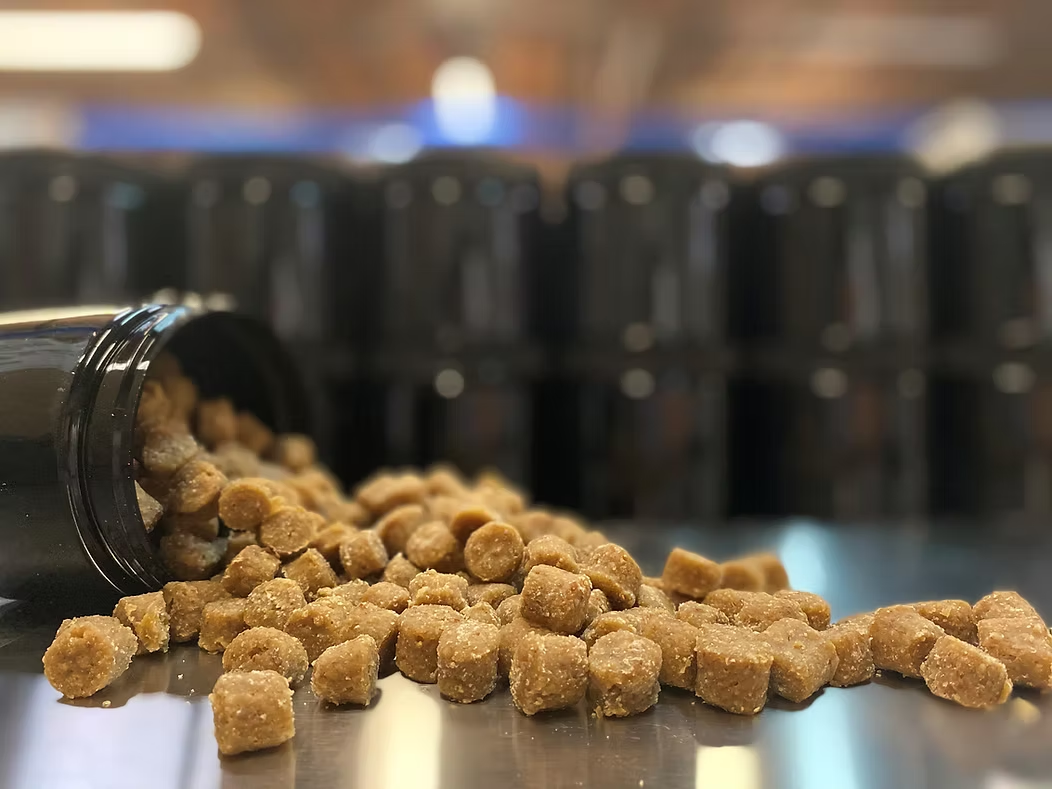
The global pet industry is growing rapidly, with pet parents treating their dogs as core family members. This change in consumer behavior has caused a massive increase in the demand for specialty dog treats. Entrepreneurs looking to enter this lucrative market can do so efficiently without investing millions in physical production facilities.
By cooperating with an external manufacturing facility, you can build your own brand using pre-established production lines. However, your business reputation depends entirely on the quality of the items inside your packaging. Partnering with an unreliable provider can result in poor product standards, legal non-compliance, and severe inventory stockouts.
What is Private Labeling in the Pet Market?
Private labeling is a production arrangement where a commercial factory manufactures products that you sell under your company identity. The manufacturing facility handles the procurement of raw materials, formulation, heat processing, and packaging. Your business focuses on distribution, retail placement, branding, and customer service.
In the pet supply sector, this method allows businesses to introduce retail-ready items to store shelves quickly. You do not need to purchase expensive commercial ovens, industrial freeze-dryers, or maintain complex food safety staff. Instead, you select established base formulas or request modifications, finalize your package artwork, and begin fulfillment.
Benefits of Private Label Production
Building your inventory through a specialized manufacturing partner offers significant operational advantages:
- Improved Profit Margins: Purchasing items directly from a factory in large quantities keeps your cost per unit low. This provides the pricing flexibility needed to absorb marketing costs while maintaining healthy retail profits.
- True Brand Equity: You own the trademark, the design, and the customer loyalty. Unlike retailing established national brands, no competitor can undercut your exact product line because you control the label.
- Rapid Market Entry: Formulating animal food independently requires months of nutritional analysis and regulatory filing. Established factories possess pre-approved recipes that have already passed strict safety assessments.
- Product Differentiation: Many contract packagers offer options regarding custom protein types, shapes, and specific packaging formats to help your brand stand out on crowded retail shelves.
Key Challenges in Pet Food Production
While the financial rewards are high, the manufacturing of animal food items involves significant operational friction that you must plan for:
- Complex Legal Compliance: Pet food and treats are heavily scrutinized by government bodies like the Food and Drug Administration (FDA) and guidelines from the Association of American Feed Control Officials (AAFCO). Your inventory must feature precise nutritional panels and factual ingredient statements.
- Minimum Order Quantities (MOQs): Large-scale commercial factories do not run their machinery for small orders. You must make sure their minimum manufacturing runs align with your initial capital and your immediate warehousing capacity.
- Ingredient Availability Risks: Supply chains face unexpected delays. If a factory relies on specific meats or specialty vitamin blends imported from distant regions, your business could face prolonged inventory gaps during peak sales seasons.
Current Shifts in Dog Treat Consumer Demand
To launch a product line that generates consistent sales, you must understand what modern dog owners look for when reading a label. The market has moved permanently away from artificial fillers, chemical preservatives, and cheap by-products.
Single-Ingredient Formulations
Pet owners want total clarity regarding what they feed their dogs. Simple options like dehydrated beef liver, freeze-dried chicken breast, and sweet potato slices are highly sought after because they do not contain hidden additives or processing chemicals.
Targeted Functional Wellness
Treats are increasingly used as a delivery mechanism for preventative health care. Formulations that include active compounds for joint support, digestion aids, or skin health are experiencing substantial commercial growth.
Alternative Protein Sources
Environmental awareness is influencing buying habits. Treats utilizing novel proteins such as insect meal, wild-caught fish varieties, or plant-based proteins are becoming popular among environmentally conscious consumer groups.
Selecting Your Manufacturing Partner
Finding a factory is simple, but selecting the right operational partner requires methodical vetting. Use these parameters to judge potential suppliers.
1. Confirm Safety Certifications
Your chosen production facility must follow rigid cleanliness protocols to eliminate contamination risks and avoid devastating product recalls. Request written proof of the following credentials:
- SQF (Safe Quality Food) Level 2 or 3: This indicates the facility undergoes independent audits for comprehensive food safety management.
- BRC GS (British Retail Consortium Global Standard): An international benchmark for food safety compliance that ensures high manufacturing practices.
- IFS (International Featured Standards): A certification proving the factory can handle retail-grade food production securely.
Additionally, clarify where they buy their raw meats. Ensure they use traceable suppliers rather than low-grade, undocumented brokers.
2. Assess Specific Machine Capabilities
Different treat styles require completely different manufacturing setups. A factory built for baking dry biscuits cannot easily produce shelf-stable wet foods or delicate dehydrated meats.
If you plan to launch Private label dog treats, confirm the factory possesses the exact technical machinery required for your intended line, whether that involves slow-baking ovens, high-capacity freeze-dryers, or specialized molding equipment for dental sticks.
3. Analyze the Total Cost Structure and MOQs
The minimum order requirements often dictate which factories you can realistically work with. A massive global producer might demand a minimum of 10,000 bags per SKU, which requires massive upfront capital. A smaller regional co-packer might accept runs of 1,000 bags but will charge a higher price per item. Calculate your storage capacity and cash flow against these manufacturing limits before executing a long-term agreement.
4. Evaluate Packaging and Warehousing Support
The physical bag protects the product from oxidation and moisture. Some facilities operate as full-turnkey solutions, meaning they source the bags, manage the printing, fill the packages, and box them for pallet shipping. Others operate on a contract-only basis where you must buy packaging from an outside printer and ship it to their warehouse. Using a factory that handles fulfillment entirely under one roof reduces transportation costs and logistical errors.
Crucial Questions for Factory Interviews
Before committing to a contract, arrange a direct consultation with the plant manager or sales director and ask these exact questions:
“What is the standard production lead time from the date our deposit clears to final shipment?”
“Do you provide guaranteed chemical analysis testing for crude protein, fat, fiber, and moisture in-house, or must we hire an outside lab?”
“What specific financial protections or remedies do you offer if a batch fails pre-shipment contamination testing?”
“Can you provide verifiable references from active commercial brands that currently use your facility?”
A transparent, professional manufacturer will provide these answers, certifications, and references without hesitation.
Final Thoughts
Building an independent pet brand offers an incredible avenue for financial growth, but your business viability rests entirely on your supply chain. By prioritizing food safety credentials, analyzing production capabilities, and maintaining open communication, you safeguard your business assets and protect the dogs that eat your products.