
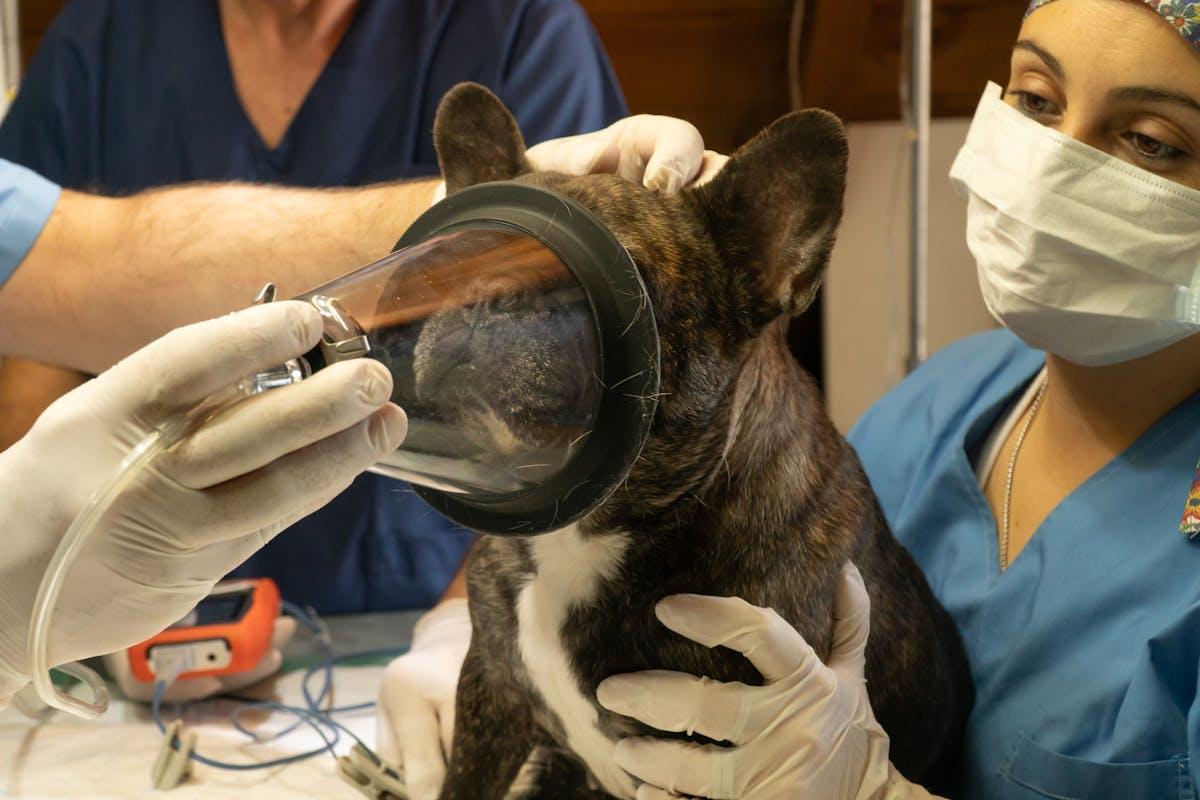
When your veterinarian recommends surgery for your pet, the announcement often comes with a mix of relief and anxiety — relief that there's a solution to your pet's health issue, but anxiety about the unknowns ahead. According to the American Veterinary Medical Association's 2024 practice data, approximately 2.8 million dogs and cats undergo surgical procedures annually in the United States, ranging from routine spays and neuters to complex orthopedic repairs. Yet despite surgery being a common part of veterinary care, most pet owners feel unprepared for what lies ahead.
The reality is that proper preparation significantly influences surgical outcomes. Pets who arrive stressed, improperly fasted, or with underlying issues their owners didn't recognize face higher anesthetic risks and slower recoveries. Meanwhile, owners who understand the process — from pre-surgical requirements to post-operative warning signs — navigate the experience with greater confidence and often see better results for their animals.
What follows is a comprehensive guide through every phase of your pet's surgical journey, from the essential steps you'll take in the days before surgery through recognizing potential complications during recovery. Understanding these elements won't just ease your anxiety — it can genuinely improve your pet's experience and outcome.
What Are the Key Steps to Prepare Your Pet Before Surgery?
The foundation of successful surgery begins days before your pet ever enters the operating room, starting with pre-anesthetic blood work that reveals how well your pet's organs can handle anesthesia. Most veterinarians require blood panels within 30 days of surgery to check liver and kidney function, blood sugar levels, and protein counts — all critical factors in determining anesthetic protocols and identifying pets who might need modified approaches.
Fasting becomes crucial in the 12 hours before surgery. Unlike humans who can follow complex pre-operative instructions, pets don't understand why their food has suddenly disappeared, making this one of the most challenging aspects for owners. The standard protocol requires withholding food after 10 PM the night before surgery, though water typically remains available until morning. This prevents vomiting during anesthesia, which can cause life-threatening aspiration pneumonia if stomach contents enter the lungs.
Managing medications requires careful coordination with your veterinary team. Some medications must be continued right up until surgery — heart medications and seizure drugs, for example — while others like anti-inflammatory drugs typically need to be stopped several days before to prevent bleeding complications. Pain medications often get adjusted rather than stopped entirely, since pets experiencing chronic pain may actually need additional support during the perioperative period.
Physical preparation involves more than most owners expect. A thorough bath 24-48 hours before surgery reduces bacterial load on the skin, though you'll want to avoid getting the surgical site area wet on surgery day. Nail trims help prevent scratching at incision sites later, while removing collars, tags, and any accessories eliminates potential strangulation risks under anesthesia when pets are positioned and repositioned during procedures.
How Does Anesthesia Work and How Does It Differ for Cats and Dogs?
Modern veterinary anesthesia involves multiple drugs working together to create unconsciousness, pain relief, and muscle relaxation — a balanced approach that's much safer than the single-agent anesthetics used decades ago. The process typically begins with a pre-medication injection that reduces anxiety and provides initial pain control, followed by an induction agent administered intravenously to cause rapid unconsciousness, then maintenance with inhaled gases that keep your pet safely asleep throughout the procedure.
Cats and dogs respond differently to anesthetic protocols in ways that significantly impact their care. Cats metabolize certain drugs more slowly than dogs, particularly medications processed by the liver, which means they often need lower doses and longer recovery times. They're also more sensitive to temperature changes under anesthesia, requiring active warming throughout surgery and recovery. Dogs, meanwhile, tend to be more sensitive to certain pre-medications and may need breed-specific adjustments — brachycephalic breeds like bulldogs face increased risks due to their shortened airways.
The monitoring during anesthesia resembles what you'd see in human surgery: continuous heart rate and rhythm tracking, blood pressure measurement, oxygen saturation monitoring, and carbon dioxide level assessment. Body temperature gets checked constantly since anesthetized animals can't regulate their own body heat. Many practices also monitor blood pressure directly through arterial catheters during longer procedures, providing real-time feedback about how well your pet's cardiovascular system is handling the anesthetic.
Pain management starts before the first incision through pre-emptive analgesia — the concept that preventing pain is more effective than treating it after it develops. This might include nerve blocks for specific areas, epidural anesthesia for procedures involving the hind end, or targeted injection of local anesthetics. The goal is ensuring your pet wakes up comfortable rather than struggling with surgical pain that then requires aggressive treatment.
How Can You Reduce Pet Anxiety and Stress Before Surgery?
Veterinary behaviorists have identified that pre-surgical stress doesn't just make pets miserable — it actually increases anesthetic risks by elevating heart rate, blood pressure, and stress hormones that can complicate drug metabolism. The most effective anxiety reduction starts at home with maintaining normal routines as much as possible while gradually introducing calming strategies.
Pheromone therapy offers a science-backed approach to reducing stress without medications. Adaptil for dogs and Feliway for cats release synthetic versions of calming pheromones naturally produced by nursing mothers. These products, available as diffusers, sprays, or collars, work best when started 2-3 days before surgery rather than just on the morning of the procedure. Many pets show measurable reductions in stress behaviors when these pheromones are used consistently.
Environmental modifications at home can significantly impact your pet's stress levels. Keeping familiar blankets and toys accessible, maintaining feeding schedules (until fasting begins), and avoiding major household changes in the days leading up to surgery help preserve a sense of normalcy. For cats especially, reducing territorial stress by keeping them in their favorite room the night before surgery often proves more effective than elaborate calming attempts.
Transportation strategies matter more than many owners realize. A calm car ride sets the tone for the entire surgical experience. Using carriers that your pet associates with positive experiences, covering carriers with familiar-smelling blankets, and playing calming music during transport can prevent the stress spiral that often begins in the parking lot. Some veterinarians recommend arriving slightly early to allow pets time to decompress before pre-anesthetic procedures begin.
What Should You Expect During and Immediately After Surgery?
Once your pet enters the surgical suite, a veterinary team trained in anesthetic monitoring takes over their care, typically including the surgeon, an anesthetist (veterinarian or trained technician), and a surgical assistant. Modern veterinary surgery follows many of the same sterile protocols used in human medicine: surgical scrubbing, sterile draping, and instrument sterilization that prevents infections and ensures the best possible outcomes.
The immediate post-anesthetic period — those first 30-60 minutes after surgery ends — represents the highest-risk time for complications. This is when most anesthetic emergencies occur, which is why reputable practices maintain intensive monitoring during this phase. Your pet will likely seem disoriented, unsteady, or confused as they wake up, which is completely normal. Body temperature regulation remains impaired for several hours, so warming blankets and temperature monitoring continue well into recovery.
Pain assessment in animals requires different approaches since pets can't verbally communicate their discomfort. Veterinary teams use species-specific pain scales that evaluate facial expressions, body posture, response to touch, and behavioral changes. Dogs might pant excessively, whine, or seem restless, while cats often become very quiet, hide, or show changes in their normal grooming behavior. Effective pain control isn't just humane — it actually speeds healing and reduces complications.
At many quality facilities, including a Stockton veterinary hospital, you'll receive detailed discharge instructions that cover the first 24-48 hours at home, since this transition period often determines how smoothly the overall recovery progresses. These instructions typically include specific guidelines for activity levels, feeding schedules, medication administration, and warning signs that require immediate veterinary attention.
How Do You Recognize Complications and Support Recovery at Home?
The first 72 hours after surgery represent the critical window when most post-operative complications develop, making careful observation your most important responsibility as a pet owner. Unlike human patients who can describe their symptoms, pets rely entirely on your ability to recognize subtle changes that might signal problems.
Incision monitoring requires daily inspection for signs of infection, dehiscence (opening), or excessive inflammation. Normal healing involves some redness and slight swelling immediately around the incision line, but expanding redness, heat, discharge, or a foul smell indicates infection. The incision edges should remain closely approximated — if you can see underlying tissue or if the incision appears to be pulling apart, contact your veterinarian immediately rather than waiting to see if it improves.
Pain recognition becomes more challenging at home since many pets hide discomfort instinctively. Changes in normal behavior often provide the earliest clues: a dog who usually greets you enthusiastically but barely lifts their head, a cat who stops using their litter box normally, or any pet whose appetite doesn't return within 24-48 hours. Excessive panting, restlessness, reluctance to move, or conversely, unusual lethargy all warrant professional evaluation.
Nutrition plays a crucial role in surgical healing, though appetite changes are expected initially. Protein becomes especially important since tissue repair requires amino acids, while adequate hydration supports kidney function and helps clear anesthetic drugs from the system. Many pets benefit from smaller, more frequent meals during the first week of recovery rather than their normal feeding schedule. Omega-3 fatty acids, whether through prescription diets or supplements approved by your veterinarian, can reduce inflammation and support immune function during healing.
Creating a proper recovery environment at home often determines how smoothly the healing process progresses. This means restricting access to stairs, preventing jumping on furniture, and ensuring your pet has a quiet, comfortable space away from household traffic and other animals who might want to investigate the surgical site.
The recovery period will test your patience as your pet's energy returns before their tissues have fully healed, but maintaining activity restrictions for the full recommended period — usually 10-14 days for most procedures — prevents complications that could require additional surgery or significantly delay healing.