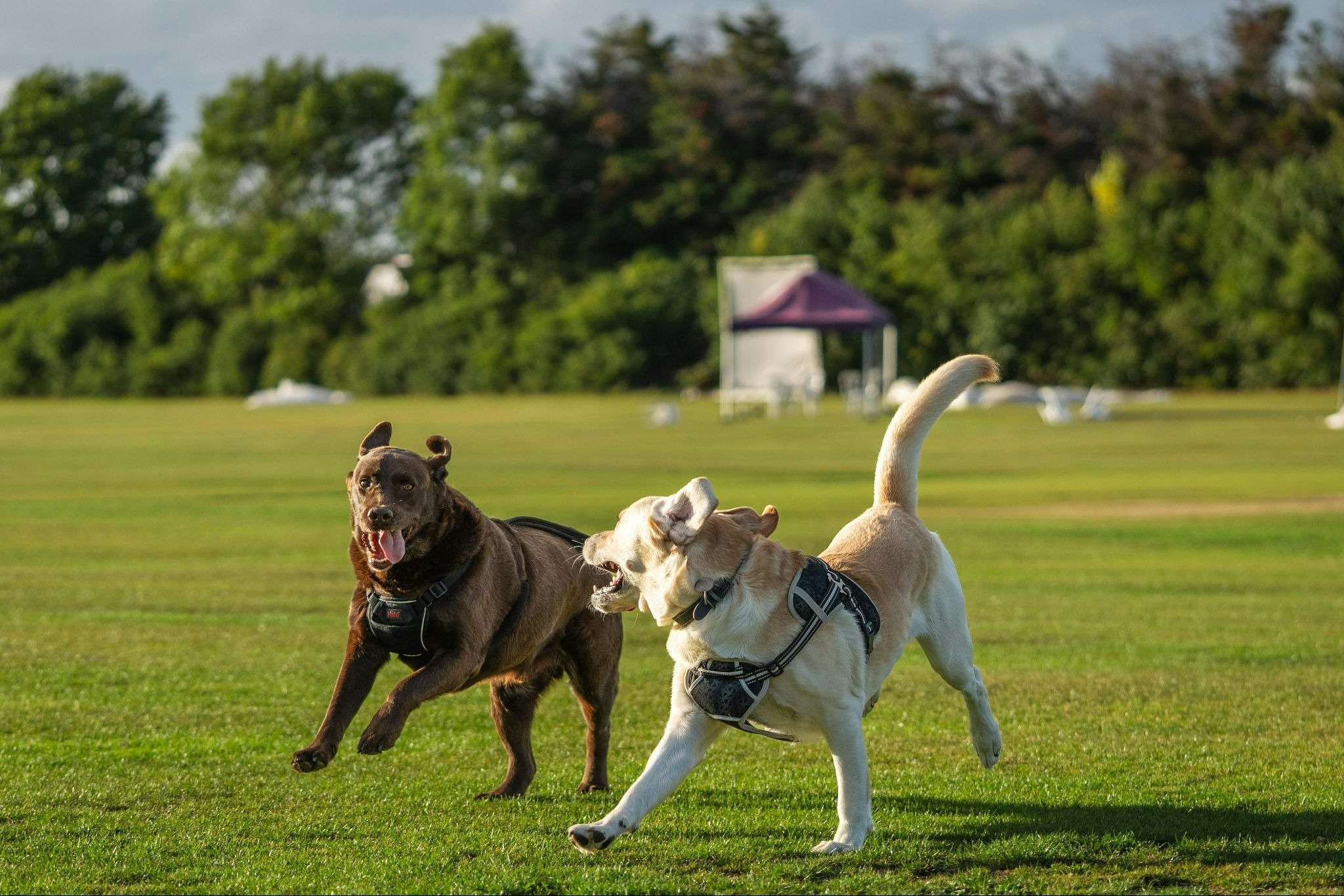
Dogs are natural movers. They sprint across yards, leap off furniture, wrestle with one another, and rarely slow down long enough to consider the consequences. That boundless energy is part of what makes them so lovable, but it also puts them at real risk for leg injuries. While some breeds are more active than others, any dog can experience a leg injury at any age.
Let’s break down common dog leg injuries, their causes, and how they can be prevented.
Sprains and Muscle Strains
Sprains and muscle strains are among the most common leg injuries in dogs. These usually happen when a muscle is stretched beyond its normal range. These injuries are often mild at first but can worsen if the dog continues to move on the affected limb. They’re especially common in active dogs or those that suddenly increase their activity level without proper conditioning.
Common causes:
- Sudden sprinting or intense play without a warm-up
- Slipping on smooth or wet surfaces
- Overexertion during long walks or exercise
- Rough play with other dogs
Prevention focuses on controlled activity and environmental safety. Encouraging a brief warm-up walk before running or active play helps prepare muscles for movement. It’s also important to limit high-speed play on hard or slippery floors where traction is poor. Providing safe play areas with good grip and enough space for movement also helps prevent sudden twists that lead to strains.
Ligament injuries, especially in the knee, are serious and often painful. One of the most common examples is a tear in the cranial cruciate ligament.
Ligament Tears and Knee Injuries
Ligament injuries, especially in the knee, are serious and often painful. One of the most common examples is a tear in the cranial cruciate ligament (CCL). It’s the canine equivalent of the human anterior cruciate ligament (ACL), and it plays a key role in stabilizing the knee during movement. This condition can develop suddenly or gradually over time due to stress on the joint.
What leads to it:
- Sudden twisting or pivoting during running
- Excess body weight
- Gradual weakening of the ligament
- High-impact activities such as jumping
To help prevent these injuries, maintain a healthy body weight to reduce pressure on the knee joints. It’s also important to provide low-impact exercise to strengthen the surrounding muscles and support joint stability.
However, injuries can still happen even with good prevention. When they do, early dog ACL injury treatment is important to manage pain, control inflammation, and prevent further joint damage. Depending on severity, treatment may include rest and medication or surgical procedures to restore stability and improve long-term mobility.
Fractures and Bone Damage
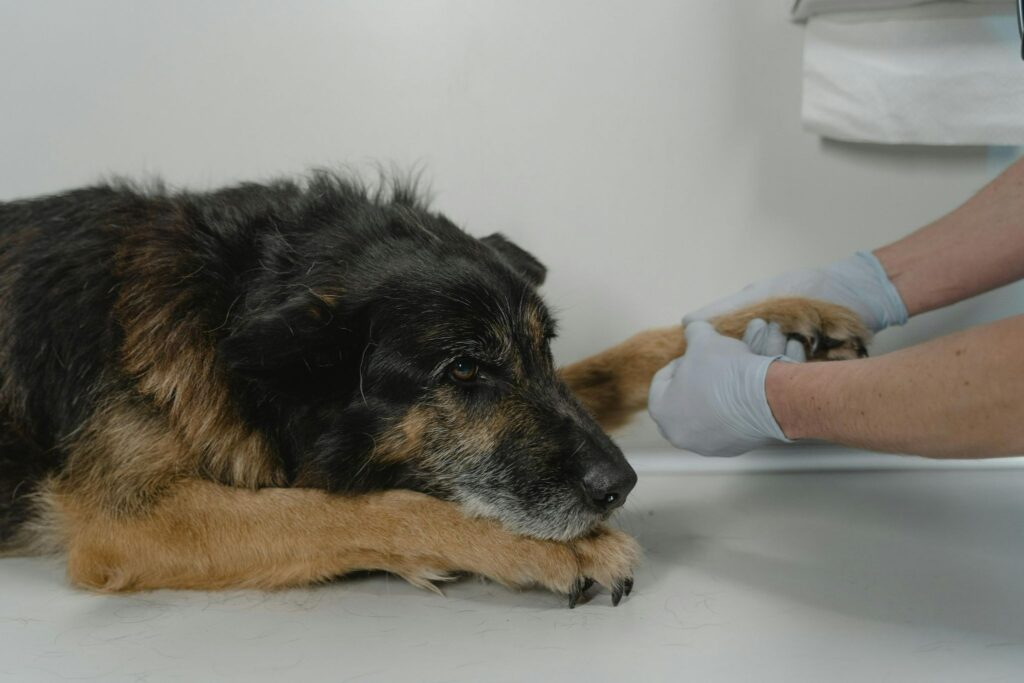
Broken bones usually result from high-impact accidents rather than routine movement. Puppies face a higher risk due to their developing skeletal structures, while smaller breeds may suffer fractures more easily because of lighter bone density. Sudden trauma is typically the defining factor in these injuries.
Major contributing factors:
- Falls from furniture or elevated surfaces
- Stair-related slips or missteps
- Collisions during outdoor play or running
- Vehicle accidents or strong impacts
- Rough landings after jumping
Safety improvements at home and outdoors make a major difference. Replacing jumps from elevated surfaces with ramps or steps reduces impact stress significantly. Outdoor supervision helps prevent falls into hidden holes or uneven ground. Walk paths should be checked regularly for debris or hazards that could cause tripping. Supporting bone health through proper nutrition during growth stages also strengthens skeletal resilience.
Joint Dislocation and Instability
Joint dislocation happens when bones are forced out of their normal alignment, usually resulting in sudden pain and reduced mobility. It can affect dogs of all sizes, but those with naturally weaker joint structures are more susceptible. Once a joint has been dislocated, it may become less stable and more likely to happen again in the future.
Why it often occurs:
- Sudden twisting movements during running or play
- Rough or uncontrolled play with other dogs
- Awkward landings after jumping from heights
- Slipping on smooth or unstable surfaces
- Direct trauma or collisions during outdoor activity
- Genetic or structural joint weakness in certain breeds
Strengthening the muscles around the joint is a key preventive strategy. Regular, low-impact activity helps improve support and reduce strain during movement. High-risk activities involving uncontrolled jumping or sudden directional changes should be limited, especially on slippery surfaces. Dogs with known joint issues may benefit from veterinary-guided exercise plans or supportive devices.
Tendon Injuries and Overuse Damage
A tendon injury in dogs is damage to the strong, fibrous cords (tendons) that connect muscles to bones and help the body move. When a muscle contracts, tendons transfer that force to the bone.
In dogs, tendon injuries usually happen in two main ways:
- Acute injury: A sudden overload or force causes the tendon to stretch or tear (for example, landing awkwardly after a jump or sudden sprinting).
- Overuse injury: Repeated stress over time leads to small microtears and inflammation, slowly weakening the tendon.
Commonly affected areas include the Achilles (heel) tendon, shoulder tendons, and tendons in both the front and hind legs. This is especially important for Labradors, a breed known for their high energy, love of play, and strong retrieving drive. Their enthusiasm can sometimes push them beyond safe limits, particularly in younger dogs, which may put their health at risk.
Balanced routines are essential for prevention. Alternating between high-energy and low-impact exercise allows tendons time to recover. Activities like walking or swimming reduce stress while still maintaining fitness. Rest periods are not optional but necessary for tissue repair and strength development. Early signs such as stiffness after exercise shouldn’t be ignored, as they often indicate the beginning of overuse injury.
Arthritis and Chronic Joint Wear
Arthritis is a long-term condition that develops when the protective cartilage inside a dog’s joints slowly wears down over time. This cartilage normally acts like a cushion, allowing smooth and pain-free movement. But as it breaks down, the bones start to rub more directly against each other, leading to stiffness, discomfort, and reduced mobility. Many dogs don’t show obvious signs at first, but symptoms often become more noticeable after rest or during colder weather.
Leading causes:
- Natural aging and joint degeneration
- Previous joint injuries or trauma
- Genetic predisposition in certain breeds
- Excess body weight increases joint pressure.
- Long-term repetitive joint stress from activity
- Lack of regular movement or physical activity
Management focuses on reducing joint stress and maintaining mobility. Keeping dogs at a healthy weight helps minimize pressure on already worn joints. Gentle, consistent exercise supports flexibility without causing further damage. Soft bedding and warm resting areas improve comfort during recovery periods. Veterinary care is essential for managing progression and maintaining quality of life.
Takeaway
While the causes of dog leg injuries vary, many share common risk factors such as overexertion, poor traction, and lack of conditioning. Prevention is most effective when it becomes part of a daily routine rather than a reaction to injury. Simple habits go a long way in supporting long-term joint health.
With steady attention to movement, environment, and physical conditioning, many common leg injuries can be significantly reduced. This allows your fur companion to remain active, comfortable, and mobile throughout their lives.
