
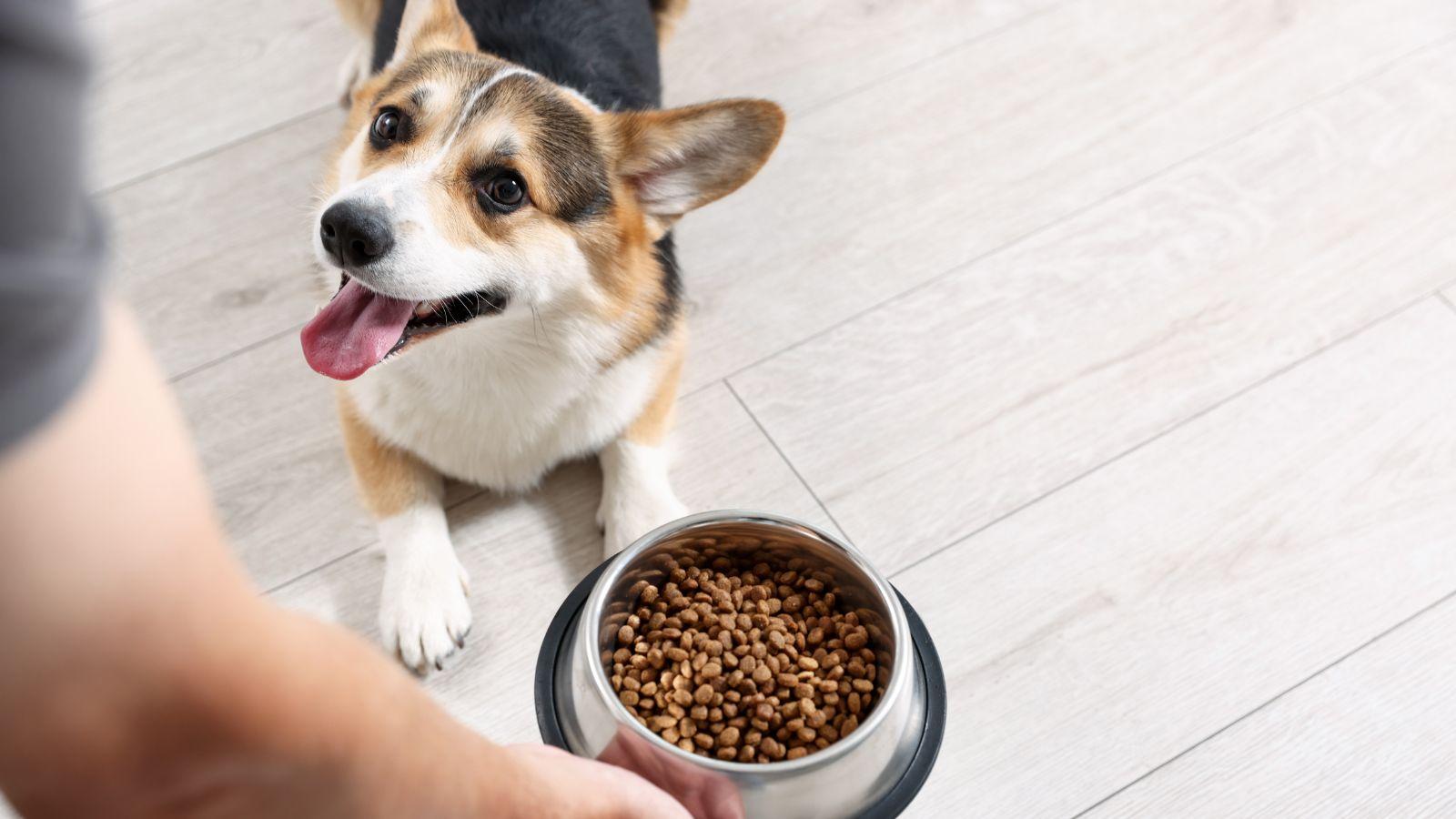
Pet owners often notice that their dogs or cats approach certain foods with more interest than others. Kibble, a common dry food option, goes through high-heat processing that can reduce its natural appeal to pets. Pet food palatants address this issue by enhancing the taste, aroma, and overall acceptance of kibble. These additives help ensure pets eat the balanced nutrition they need each day.
Many pet foods contain high-quality proteins, vitamins, and minerals. Yet without proper flavor enhancement, some pets may eat less or refuse the food. Pet food palatants make kibble more appealing while supporting consistent intake. This matters for maintaining weight, energy levels, and long-term health in dogs and cats.
What Are Pet Food Palatants?
Pet food palatants are ingredient systems added to pet food to improve its sensory qualities. Manufacturers create them mainly from animal tissues, yeast, or plant sources through processes like enzymatic hydrolysis. This breaks down proteins and fats into smaller compounds that deliver meaty or savory notes pets prefer.
Common types include:
- Animal digests from poultry, beef, or pork tissues.
- Yeast extracts rich in amino acids and nucleotides.
- Liquid or powder forms applied during production.
In kibble production, processors often spray or coat palatants onto the surface after extrusion. This step delivers strong initial aroma and flavor right when the pet sniffs or tastes the food. Some formulas combine fats for better adhesion and mouthfeel.
Pet food palatants differ from basic flavors because they target the specific taste receptors of dogs and cats. Dogs respond well to meaty and fatty profiles, while cats often prefer umami and certain amino acids. These additives help mask any off-notes from vitamins, minerals, or alternative ingredients in modern recipes.
Why Kibble Needs Palatants
Extrusion cooking, used to make most kibble, applies heat, pressure, and moisture followed by rapid drying. This process creates a shelf-stable product but can diminish natural flavors and aromas from raw ingredients. Pets rely heavily on smell and taste to decide what to eat, so plain kibble may seem uninteresting.
Pet food palatants solve this by restoring and amplifying appealing sensory cues. They encourage initial acceptance so pets try the food and continue eating it over time. Consistent consumption matters because pets need steady nutrient intake for digestion, immune function, and overall condition.
Without effective palatants, even nutrient-dense kibble may lead to picky eating, weight loss, or the need for frequent recipe changes. Manufacturers test palatability through controlled feeding trials that measure intake ratios between test foods and controls. Higher consumption rates confirm the palatant works for the target species and life stage.
Key Benefits of Using Pet Food Palatants
Pet food palatants deliver several practical advantages for pets and owners:
- Improved Intake: Pets eat more of their daily ration, reducing the risk of under-nutrition.
- Masking Unwanted Tastes: They cover notes from functional additives like certain vitamins or medications.
- Consistency Across Batches: Palatants help maintain similar appeal even when raw material variations occur.
- Support for Special Diets: They enhance acceptance of prescription, weight-management, or limited-ingredient foods that might otherwise taste bland.
- Aroma Attraction: Strong scents draw pets to the bowl, useful for older animals or those with reduced appetite.
For multi-pet households, the right palatant can make one kibble formula work for both dogs and cats when needed, though species-specific options perform best.
Studies show that proper palatant application can significantly raise consumption rates in preference tests. This leads to better body condition scores and fewer mealtime struggles for owners.
How Manufacturers Apply Palatants to Kibble
Application method affects performance. Common practices include:
- Coating with liquid palatants for even distribution and aroma release.
- Adding powder forms for flavor intensity and moisture control.
- Using a sequence: fat first for binding, then liquid, then powder.
The goal is uniform coverage without making the kibble greasy or prone to clumping. Dosage usually ranges from 0.5% to 4%, depending on the formula and target palatability level.
Quality control matters. Reputable producers test stability over shelf life because heat, humidity, and time can weaken flavor compounds. Effective pet food palatants retain their appeal throughout the package’s recommended use period.
Challenges in Palatant Development and Use
Creating effective pet food palatants involves several considerations. Individual pets vary in preferences based on age, breed, health status, and past experiences. A formula that works well for most dogs may not suit a particular senior cat with dental issues or altered smell.
Other challenges include:
- Regulatory compliance for ingredient safety and labeling.
- Maintaining performance in different climates and storage conditions.
- Balancing cost with efficacy while meeting clean-label demands.
- Addressing potential sensitivities in some animals.
High-quality kibble base remains important. Even strong palatants cannot fully compensate for poor texture or low ingredient standards. Manufacturers therefore focus on both base recipe quality and surface enhancement.
Current Trends in Pet Food Palatants
The market for pet food palatants continues to evolve. Demand grows for natural and plant-based options as more owners seek transparent ingredients. Yeast extracts and fermentation-derived palatants gain attention because they provide umami without relying solely on animal sources.
Other developments include:
- Encapsulated flavors for better stability and controlled release.
- Custom formulations for specific health needs, such as kidney support or dental care.
- Reduced sodium and fat levels while preserving appeal through advanced flavor science.
- Increased focus on sustainability in sourcing raw materials for palatants.
These shifts reflect broader interest in pet nutrition that balances taste, health, and responsible production. Manufacturers conduct ongoing palatability trials to validate new approaches before market release.
Choosing the Right Kibble with Effective Palatants
When selecting food, owners can look for clear labeling and brands that invest in palatability testing. Signs of good acceptance include eager eating, steady consumption, and maintained energy and coat condition. If a pet shows reluctance, switching within the same brand line or consulting a veterinarian can help identify suitable options.
Pet food palatants play a supporting role in a complete diet. They do not replace balanced nutrition but help deliver it reliably day after day.
Final Thoughts
Pet food palatants make a meaningful difference in how readily pets accept and consume kibble. By enhancing aroma and flavor, these additives support better nutrition intake and smoother mealtimes for dogs and cats. Understanding their role helps owners make informed choices about daily feeding.
Pay attention to your pet’s response to different foods. Consistent eating habits contribute to long-term wellness. If questions arise about specific formulas or ingredients, resources on sites like profypet.com provide additional details on pet food palatants and related topics.