
A mesothelioma diagnosis changes more than a treatment schedule. It can affect energy, mood, sleep, and the way a person moves through each day. Medical care remains the priority, but emotional support also matters during treatment.
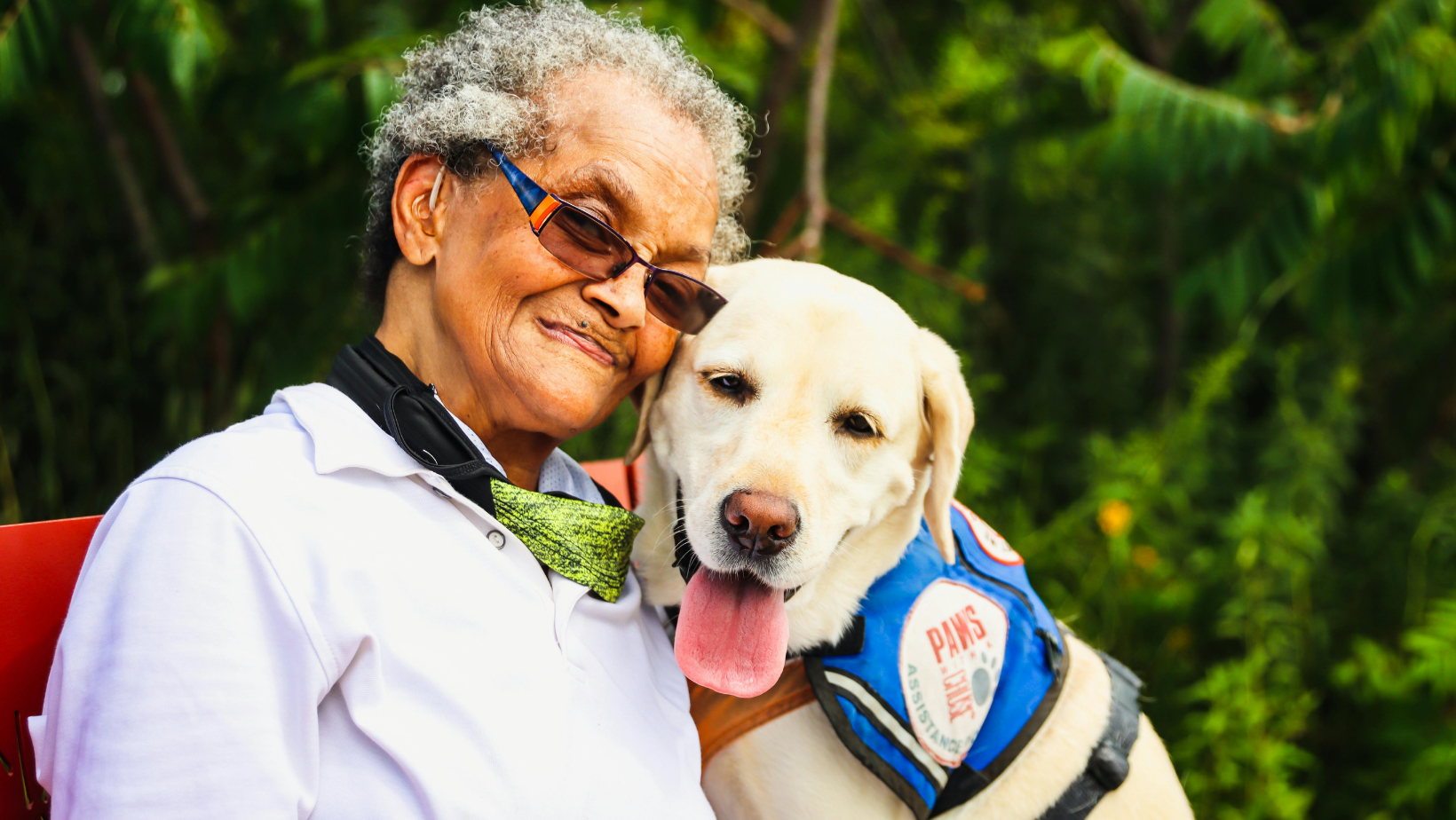
This is where therapy labradors can make a real difference. Their calm nature, gentle behavior, and steady presence can bring comfort in ways that feel immediate and personal. Here are ways how therapy labradors help mesothelioma patients through treatment.
1. Calm support during appointments
Support often starts with the right referrals, and Mesothelioma Hope is one place patients use to navigate resources and next steps. Therapy-dog programs can be another layer of support.
Labradors are known for steady temperaments and people-friendly focus. During scans, infusions, or consultations, petting a Labrador gives the hands something simple to do. This tactile focus can reduce spiraling thoughts and make fear feel more manageable.
2. Encouragement to move, even on low-energy days
Treatment can shrink daily activity, especially after surgery or during chemo and immunotherapy. A therapy Labrador creates a small reason to sit up, stand, and take a few steps. In rehab, walking to greet the dog becomes a friendly milestone. At home, a slow, supervised lap in the hallway or yard can add a sense of progress. The goal is not distance, but momentum and confidence.
3. Easier connection with nurses, family, and friends
Mesothelioma can feel isolating, even in a busy clinic. A Labrador changes the room’s tone fast. Staff often relax, conversation becomes lighter, and visits feel less awkward.
For patients who are tired of talking about symptoms, the dog offers a break and a new topic. Labradors can also help kids and teens engage, since it is easier to start with the dog than with hard questions about illness.
4. A healthy distraction that supports coping with symptoms
Pain, nausea, and breathlessness can make hours crawl. A therapy dog offers a safe distraction that does not demand much energy. Many people find that matching their breathing to a calm dog helps them slow down.
A gentle touch can ease muscle tension in the shoulders and jaw. When the body settles, it is often easier to rest, eat a little, or get through a tough evening between treatments.
5. Support for caregivers, with smart safety steps
Caregivers carry stress too, and a Labrador visit can lift the whole household. Be sure to keep it safe by working with certified therapy-dog teams and following clinic rules. Ask the medical team about timing, especially if white blood cell counts are low.
Additionally, keep visits brief when fatigue is high. Be sure to also wash your hands before and after contact, and keep the dog away from IV lines, oxygen tubing, and surgical sites. If allergies are a concern, choose outdoor time or a larger room.
Endnote
Therapy Labradors offer steady companionship when life feels unpredictable. Their impact is quiet but real; they can help patients feel calmer, more connected, and more willing to keep showing up for care. If you want to try therapy-dog visits, ask your oncology team and look for certified programs in your area.