
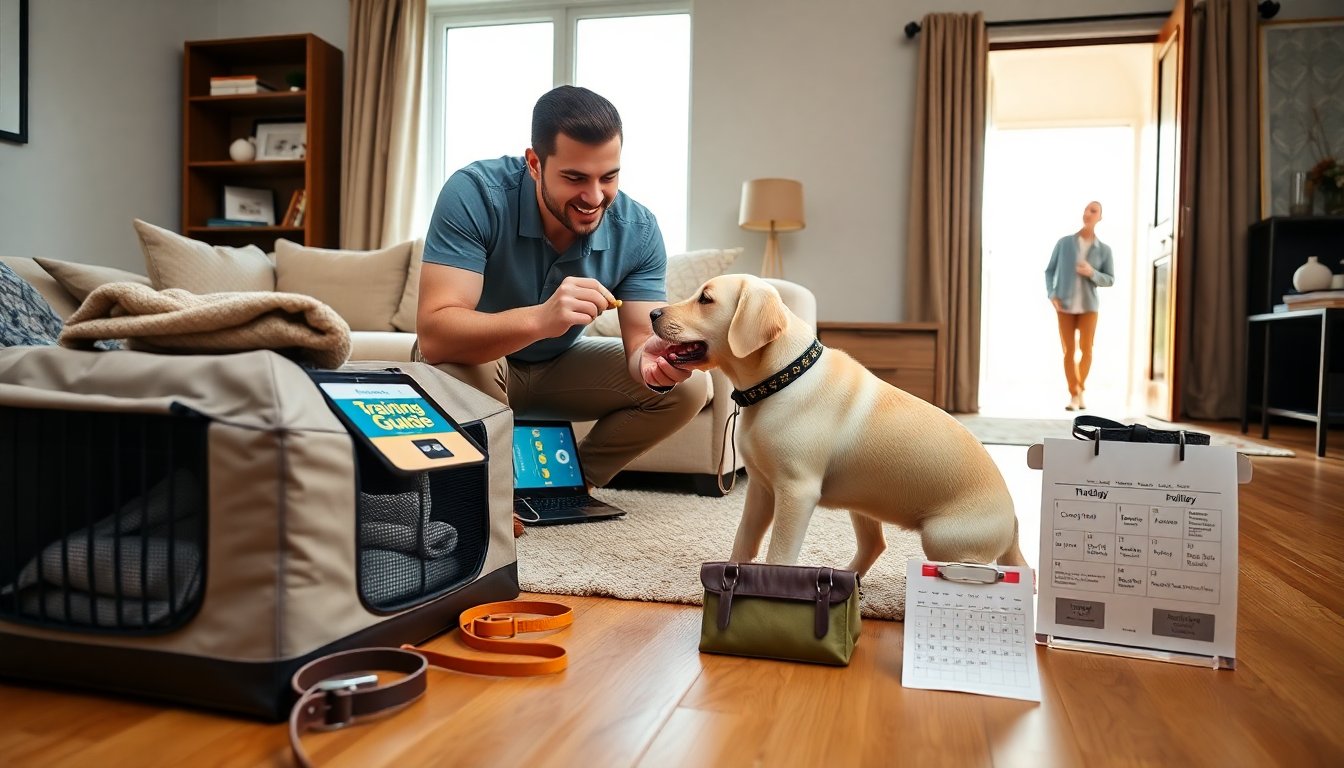
puppy labradortime.com training helps owners start strong. The guide lists clear steps. It covers home setup, crate, potty, socialization, bite control, handling, commands, and leash manners. It gives simple routines and practical tips. The reader will learn what to do each day. The guide keeps instructions short and focused. It helps owners avoid common mistakes.
Key Takeaways
- Puppy Labradortime.com training provides a clear, step-by-step guide to help owners start strong with their Labrador puppies.
- Preparing your home with a crate, toys, and establishing feeding and potty routines before bringing the puppy home improves early training success.
- Consistent crate and potty training routines, combined with positive reinforcement, help puppies learn quickly and avoid accidents indoors.
- Early socialization, gentle handling, and teaching bite inhibition are essential for developing a well-adjusted and calm Labrador puppy.
- Start basic obedience commands like sit, down, and recall with short, rewarding sessions, and gradually teach loose-leash walking for good leash manners.
- Using treats, clear marker words, and gradual increases in training difficulty encourages reliable behavior and a strong owner-puppy bond.
Getting Ready Before Bringing Your Labrador Puppy Home
Owners should prepare their home before the puppy arrives. They should buy a crate, bowls, chew toys, and a flat collar. They should make a quiet sleep area that is easy to clean. They should schedule a first vet visit within three days. They should set a feeding and potty routine before day one. They should puppy-proof low furniture, cords, and small items. They should gather training treats and a clicker or marker word. The owner should read the puppy’s records and plan vaccination follow ups. Owners should set clear rules for all family members.
Crate, Potty, And Routine Training
A consistent routine helps the puppy learn fast. Owners should feed at the same times each day. They should take the puppy out after sleep, play, and meals. They should praise the puppy for outdoor potty. They should avoid scolding for indoor accidents. They should keep the puppy on a short schedule at first. The owner should use the crate for sleep and calm time only. They should open the crate for play and praise when the puppy is calm.
Crate Training Step-By-Step
Introduce the crate slowly. The owner should place treats and a soft bed inside. The puppy should enter on its own for a treat. The owner should close the door for short periods while staying nearby. The owner should increase crate time by minutes each day. The puppy should nap in the crate during the day. The owner should use the crate at night for safety and routine. The owner should never use the crate as punishment. The owner should remove the crate gradually if the puppy shows calm behavior and good house habits.
Socialization, Bite Inhibition, And Handling
The puppy should meet many people, dogs, and environments early. The owner should arrange short, calm visits with vaccinated adult dogs. The owner should show the puppy different surfaces, sounds, and gentle handling. The owner should teach bite inhibition by redirecting hard mouthing to toys. The owner should reward soft mouths with play and treats. The owner should remove attention briefly when the puppy bites too hard. The owner should practice short grooming and ear checks daily. The owner should carry the puppy through busy places to build calm behavior.
Teaching Core Commands And Leash Manners
The owner should start with sit, down, come, and leave it. The owner should train in short sessions of three to five minutes. The owner should use high-value treats and a clear marker word. The owner should teach recall in a low-distraction area first. The owner should reward returns every time. The owner should attach a lightweight leash for short indoor walks. The owner should reward the puppy for loose-leash walking. The owner should stop and wait when the puppy pulls. The owner should teach a heel or side position once the puppy reliably walks without pulling. The owner should practice commands before walks to set a calm tone.