
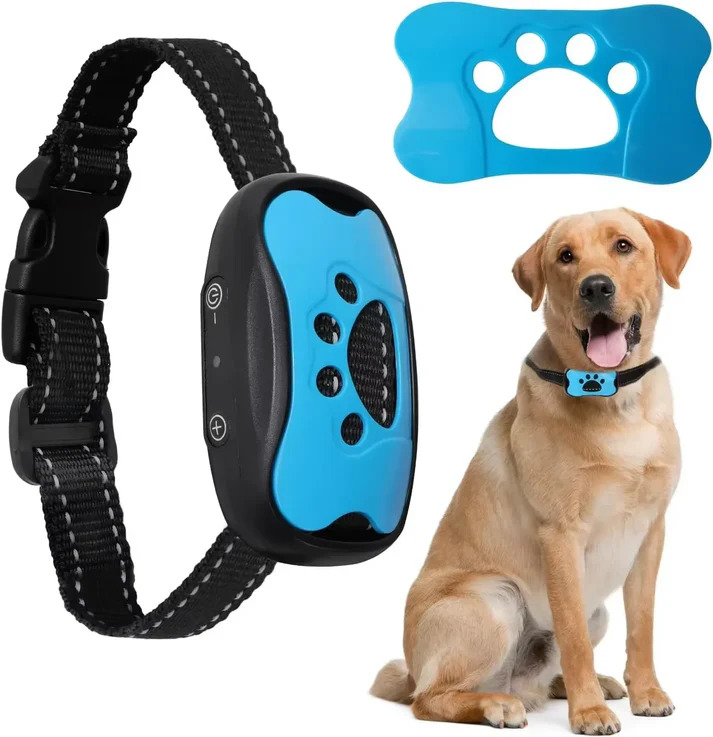
Many dog owners love their pets but struggle with excessive barking. It can happen when the dog is bored, feels anxious, or reacts to every small noise. Constant barking can upset neighbors, disturb your sleep, and create tension at home. Standard training methods like shouting, scolding, or giving treats for silence often don’t work for long. A Dog Barking Collar offers a practical way to train your dog to control their barking. It works by giving a gentle signal, like vibration, sound, or mild static, when your dog barks too much. This helps your dog learn when it’s okay to bark and when to stay quiet, improving their behavior without hurting them.
Why Dogs Bark Too Much
Dogs use barking as a form of communication, but when it becomes constant, it’s usually a sign that something else is going on. Some dogs bark when they’re left alone because they feel anxious, while others react to noises outside, such as passing cars or other animals. Lack of exercise and mental stimulation can also lead to boredom barking, where the dog barks simply because they have nothing else to do. Understanding why your dog barks excessively is an important step before starting any training. A PetCareShed Dog Barking Collar can help control the behavior while you address the root cause, whether that’s more playtime, training, or comfort when you’re away.How a Barking Collar Works

- Vibration: A gentle shake that interrupts barking.
- Sound: A short beep that signals the dog to stop.
- Mild static stimulation: A safe, low-level pulse that gets the dog’s attention.
Benefits of Using a Dog Barking Collar
The main benefit of a Dog Barking Collar is consistent training. Unlike human correction, which can be inconsistent or delayed, the collar responds instantly every time your dog barks too much. This quick response helps your dog understand the behavior that triggers the signal, making training more effective.- Better behavior at home and outdoors – Your dog learns to stay calm even with distractions.
- Less stress for the owner – No need to constantly shout or correct the dog.
- Improved relationship – Training becomes consistent, making communication clearer between you and your pet.
- Peace with neighbors – Reduced noise keeps everyone happy.
Choosing the Right Collar for Your Dog
Selecting the right barking collar is important to get good results. The size and breed of your dog should guide your choice, as smaller dogs need lighter collars while larger dogs require sturdier designs. You should also consider the type of correction some dogs respond best to sound, while others may need vibration or mild static to get their attention.- Dog size and weight: Collars are made for small, medium, or large breeds.
- Type of correction: Some dogs respond better to sound, others to vibration or mild static.
- Adjustable settings: Allows you to fine-tune the level for your dog’s comfort.
- Battery life and durability: Look for long-lasting power and materials that handle daily wear.
Safety Tips for Using a Barking Collar
To keep training safe and positive:- Never leave the collar on for more than 12 hours a day.
- Inspect your dog’s neck often to make sure the skin stays healthy and free from irritation.
- Include the collar in a full training routine instead of relying on it alone.
- Provide plenty of physical activity and mental challenges to support the training process.