Home » Essential Guide to Becoming a Dog Breeder: Steps, Tips, and Responsibilities

Essential Guide to Becoming a Dog Breeder: Steps, Tips, and Responsibilities

by Prysolith Vorkyn
0 comment
becoming a dog breeder

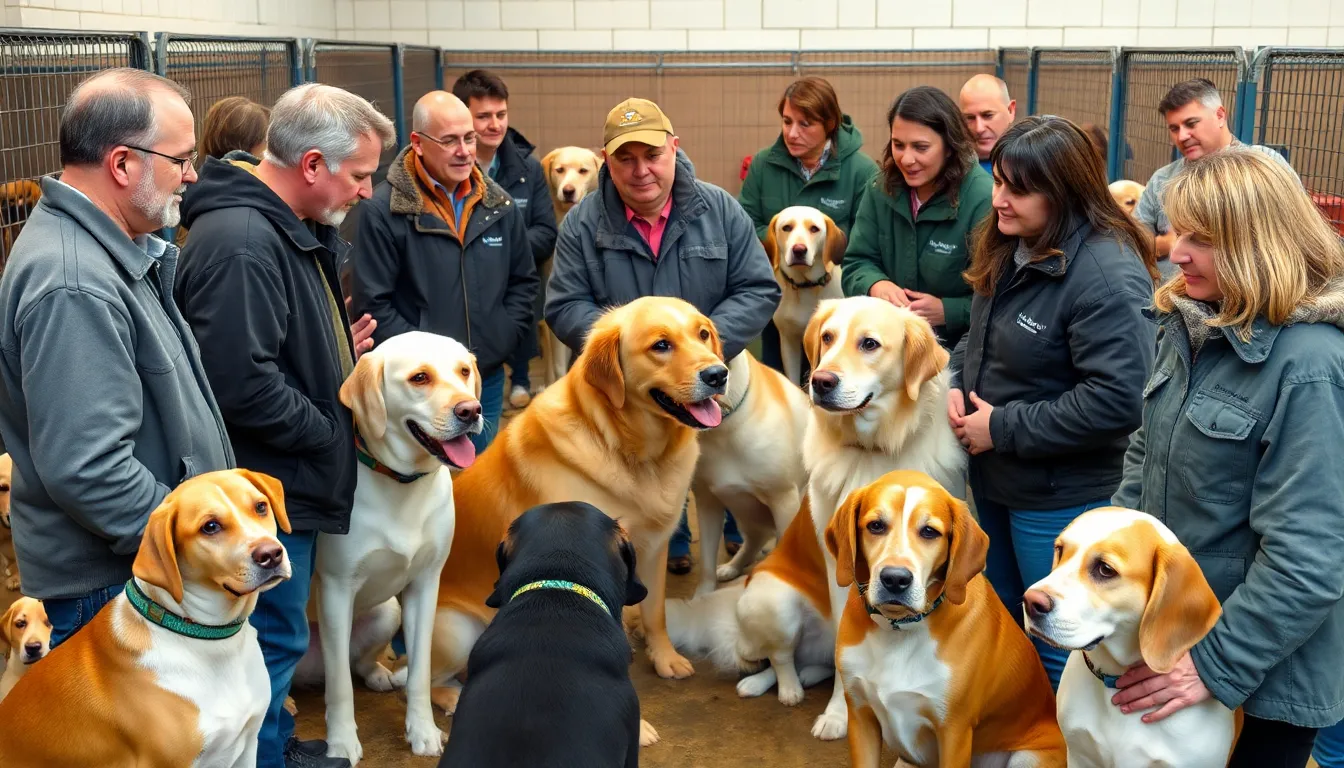
Becoming a dog breeder is a rewarding yet challenging journey for those passionate about canines. It involves more than just pairing dogs; it requires a deep understanding of genetics, health, and breed standards. Aspiring breeders must navigate the intricacies of canine care, ensuring that each pup is not only healthy but also well-socialized. With the growing popularity of specific breeds, the demand for knowledgeable breeders has never been higher. This article explores the essential steps to embark on this fulfilling path, from selecting the right breeds to understanding the responsibilities that come with breeding. Whether someone dreams of producing champion show dogs or beloved family pets, the journey begins with informed decisions and a commitment to the welfare of the animals.

 Becoming a Dog Breeder

Understanding dog breeding encompasses knowledge of genetics, health, and breed standards. Careful consideration ensures the successful production of healthy puppies and informed decisions benefit the breeder’s goals.

What Is Dog Breeding?

Dog breeding is the practice of mating selected dogs to produce specific qualities and traits in their offspring. Breeders may focus on characteristics such as temperament, appearance, and health. Understanding lineage and genetic compatibility guides successful breeding practices, enhancing the likelihood of desirable outcomes in puppies.

Importance of Responsible Breeding

Responsible breeding ensures the health and well-being of both the parent dogs and their puppies. It involves implementing health screenings, adhering to breed standards, and providing proper care. Ethical breeders prioritize the welfare of the dogs over profit, contributing to a reduction in hereditary health issues. Responsible practices foster trust between breeders and the community, promoting a positive image of breeding while aiding in the prevention of overpopulation and abandonment in shelters.

Getting Started as a Breeder

Aspiring dog breeders must navigate several essential steps to start their journey effectively. Understanding breed characteristics, regulations, and best practices lays the foundation for a successful breeding program.

Choosing the Right Breed

Selecting a breed involves considering factors like temperament, size, and purpose. Breeders should match their lifestyle with the breed’s needs, ensuring compatibility. Knowledge of breed standards, which dictate ideal traits, helps in making informed choices. For example, some breeds require extensive socialization, while others may not. Considering market demand and the potential for health issues connected to specific breeds also influences selection. Ultimately, the right breed choice plays a critical role in breeder success and dog welfare.

Researching Breeding Regulations

Breeders must familiarize themselves with local and national regulations governing breeding practices. Legal requirements vary by region, including licensing, kennel inspections, and animal welfare standards. Compliance with guidelines ensures breeders uphold ethical standards and fosters a professional reputation. Resources such as the American Kennel Club (AKC) and local breed clubs provide valuable information. Understanding these regulations helps mitigate risks associated with breeding, ensuring a responsible approach to the business.

Breeding Practices

Breeding practices focus on ensuring the health and quality of dogs. Responsible breeders implement several key strategies to promote the best outcomes for their dogs and puppies.

Health Testing and Genetic Screening

Health testing and genetic screening serve to detect hereditary conditions in breeding dogs. Breeders assess potential health issues by performing tests for common genetic disorders associated with specific breeds, such as hip dysplasia and progressive retinal atrophy. Proof of health screening helps ensure the selected breeding pairs are free from genetic problems that could be passed to offspring. Vets often recommend screening at various life stages, promoting a proactive approach to canine health. Implementing these tests strengthens the lineage and supports the overall well-being of both parents and puppies.

Responsible Mating Techniques

Responsible mating techniques involve careful selection of suitable breeding pairs based on genetics and temperament. Breeders evaluate compatibility to minimize the risk of inherited health problems and create balanced, well-adjusted puppies. Natural mating or artificial insemination can be utilized, depending on the circumstances. Breeders often conduct thorough evaluations of potential mates, including temperament tests and health screenings, to enhance the likelihood of producing desirable traits. Timing the mating cycle accurately supports successful breeding and optimal puppy health. Following these practices establishes a foundation for reputable breeding outcomes.

Raising Puppies

Raising puppies requires a commitment to their physical and emotional development. Proper care during this phase ensures healthy, well-adjusted adult dogs.

Socialization and Early Training

Socialization exposes puppies to different people, environments, and experiences, shaping their behavior. Starting as early as four weeks old, breeders introduce positive interactions with various stimuli. Training should focus on basic commands and house rules, reinforcing desired behaviors through consistent routines and rewards. Implementing puppy classes or coordinated playdates enhances social skills, helping puppies grow into confident, well-rounded adults. Engaging with a variety of settings, sounds, and people fosters adaptability while preventing fear-based reactions later in life.

Finding Responsible Homes

Finding responsible homes for puppies remains crucial for their well-being. Breeders should evaluate potential owners through application processes and interviews, assessing their experience and lifestyle suitability. Providing new owners with education about puppy care, training, and responsibilities builds lasting bonds. Conducting home visits ensures that living environments are safe and suitable. Breeders should prioritize placements that align with the puppies’ needs, whether for companionship, work, or sport, fostering a healthy relationship between the dogs and their new families.

Challenges of Dog Breeding

Becoming a dog breeder involves various challenges that can impact both the breeding process and the well-being of the dogs involved. Understanding these challenges is crucial for successful breeding.

Common Pitfalls to Avoid

Prioritizing profit over health leads to long-term issues for breeders and puppies. Overbreeding a single female dog can compromise her health and reduce the quality of offspring. Ignoring breed standards may result in undesirable traits and health problems. Failing to conduct proper health screenings exposes the breeding program to hereditary issues, jeopardizing the reputation of the breeder. Neglecting socialization during critical development stages can lead to behavioral problems in puppies. Lastly, not researching potential buyers can result in unsuitable placements, causing distress for both dogs and owners.

Dealing with Unforeseen Issues

Breeding dogs may face unexpected health issues, even with thorough screenings. Maintaining open communication with a veterinarian can help breeders manage health crises effectively. Puppies may develop behavioral challenges, requiring immediate attention and training to prevent future problems. Market demand may fluctuate unexpectedly, impacting the sale and placement of puppies. Being prepared for this economic variability ensures financial stability. Additionally, changes in legislation concerning breeding may arise, necessitating adaptability and compliance to maintain ethical practices. Keeping abreast of regulations enables breeders to sustain a reputable breeding operation.

Conclusion

Becoming a dog breeder is a journey that requires dedication knowledge and a deep love for animals. It’s essential to prioritize the health and well-being of both the breeding dogs and their puppies. By adhering to ethical practices and staying informed about breed standards and health considerations aspiring breeders can make a positive impact in the canine community. The rewards of breeding go beyond financial gain. They include the joy of producing healthy happy puppies and the satisfaction of finding them loving homes. With careful planning and a commitment to responsible breeding practices anyone can contribute to the future of their chosen breed while ensuring the welfare of dogs remains at the forefront.

Related Posts