
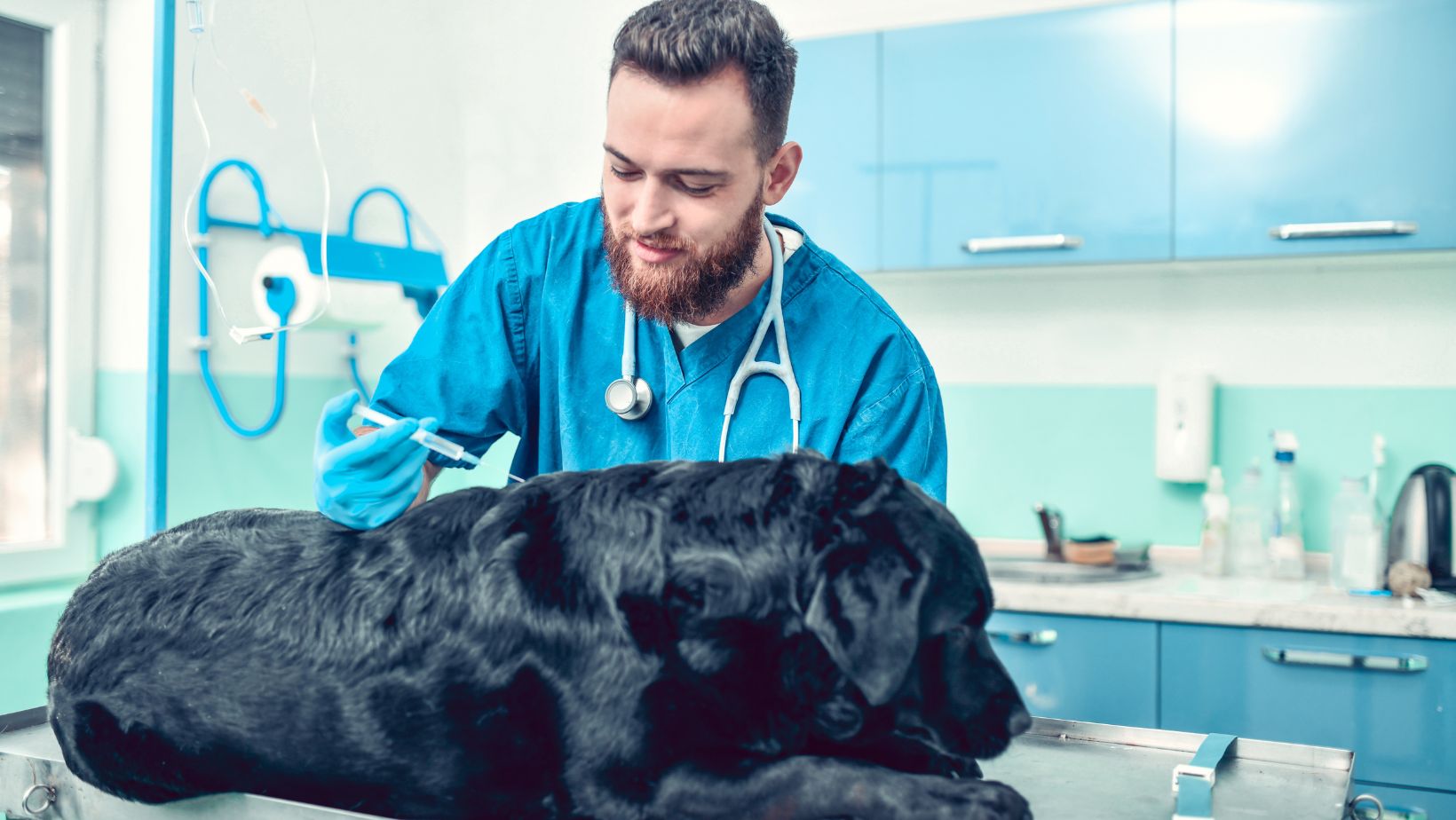
Vaccines serve as a first line of defence against many serious disease processes that could potentially lead to a life-threatening illness in a matter of hours. When pet owners understand the different vaccine schedules, potential risks, and actual threats such as parvovirus, they will be able to make informed decisions about protecting their pets instead of making an uninformed decision based on fear or misinformation.
Core Vaccines Every Dog Needs
The core vaccines are against unavoidable risks that all dogs need to be vaccinated against as per veterinary guidelines. All dogs should receive the DHPP (distemper, hepatitis, parainfluenza, parvovirus) combination vaccine which is first administered at 6-8 weeks of age with subsequent vaccinations occurring every 2-4 weeks until 16 weeks of age.
The rabies vaccination will follow at 12-16 weeks of age, mandatory for legal purposes and highly important because it protects against a deadly virus that can also be transmitted to people. Distemper can destroy the respiratory, gastrointestinal and nervous system of a puppy, making it almost impossible to survive if the puppy has not been vaccinated.
Hepatitis affects the liver, and parainfluenza is one of the causes of kennel cough outbreaks. These are not local concerns; these are global concerns and young puppies are the most susceptible to these diseases, due to the waning of their mothers antibodies usually around 6-12 weeks of age.
Tailoring Vaccine Schedules to Lifestyle Risk Factors
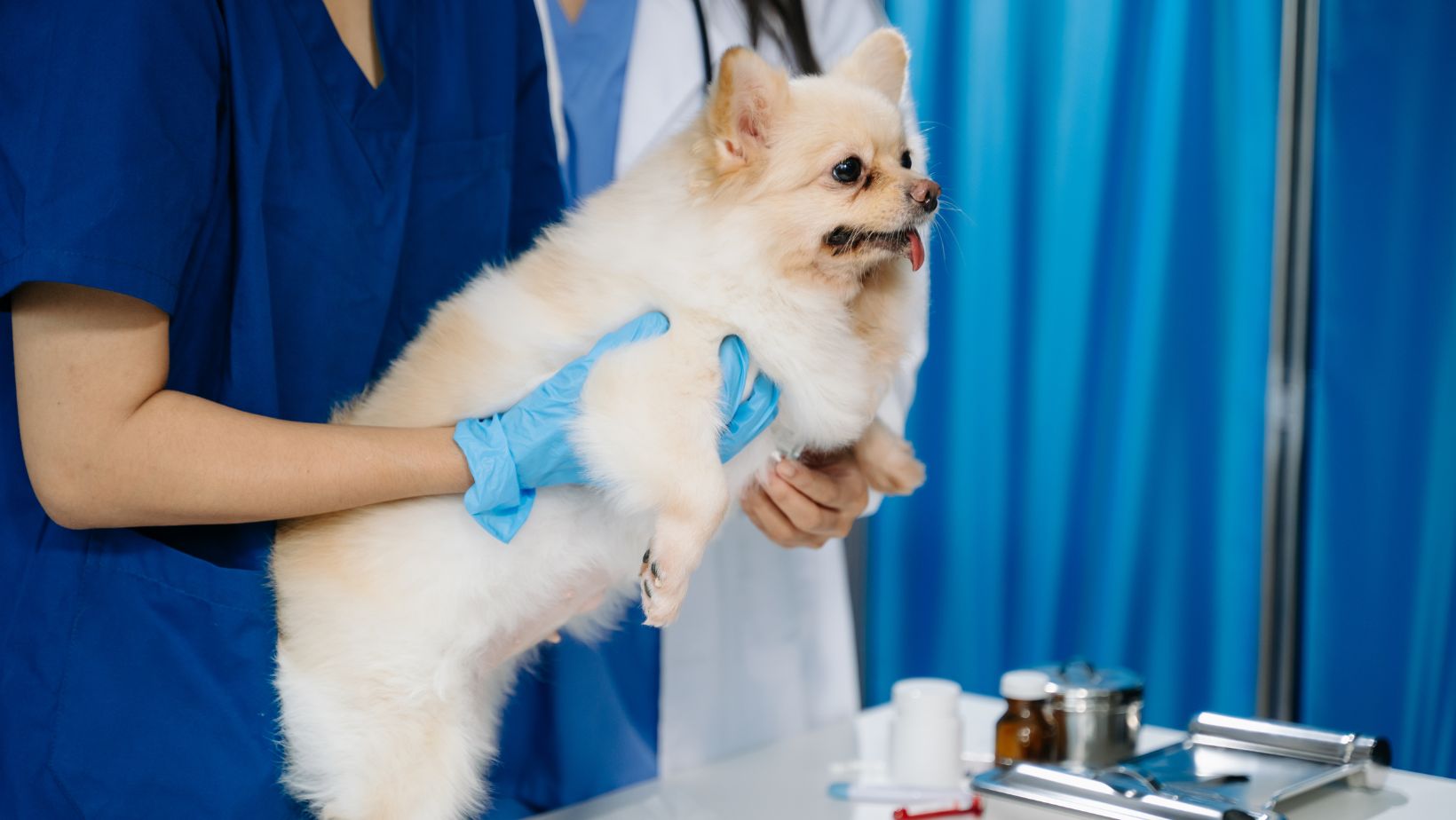
Non-core vaccines can be used to protect against environment-related risks such as those listed above. Leptospirosis is found in contaminated water, which can cause renal and hepatic failure, so it would be core in high risk areas such as farms or in urban areas with standing water.
Bordetella protects against kennel cough, therefore is non-core for daycare attendees, who receive this vaccine intranasally every 6-12 months. Lyme and Canine Influenza protect against ticks and the spread of illness at dog parks; two doses of each initially, then annually thereafter.
Adult dogs are typically vaccinated every three years with the adult triennial DHPP series after completion of the puppy series, and are required by local law to have a rabies vaccination every one to three years. Titer testing can help identify if an older dog has sufficient immunity to avoid over vaccinating. Work with a professional when creating a dog vaccination schedule that matches your dog’s lifestyle.
Parvovirus: A Preventable Killer
- Parvovirus is an extremely contagious virus primarily affecting puppies and can exist for many years in the environment.
- Parvo can cause extreme vomiting, blood in the stool, dehydration, and can be fatal if left untreated.
- Leaving vaccinations out of the schedule (or missing) puts dogs at risk from infections and outbreaks due to the high contagiousness of parvo.
- Treating parvo is expensive, hospitalizations are needed, and survival is not guaranteed.
- The best form of protection is through vaccination which will protect against the serious effects and deaths caused by parvo.
Adult Boosters and Long-Term Strategy
Veterinary examinations for post-puppyhood will generally include booster shots along with a heartworm test and a fecal test. Dogs that allow their vaccination schedules to go inactive for longer than six weeks may need to restart the entire vaccination series. The Bordetella (lifestyle) vaccination should be brought up-to-date before boarding; Digital records will make it easier to travel and prove compliance.
The Parvovirus titer blood test will help you determine how much immunity you have developed to the disease and prevent you from receiving unnecessary vaccinations which could cause rare reactions such as lethargy or hives, especially in smaller breeds of dogs. Be sure to let your veterinarian know if your dog has had an allergy to anything previously.
Responsible pet owners maintain schedules and remind themselves of when the next shot is due. They are also proactive when it comes to the health of their pets.
More Than Just Vaccinations: Comprehensive Protection
In addition to vaccinations, deworming, flea control and proper diet are all necessary to maximize the effectiveness of vaccines. It is recommended that puppies avoid visiting public dog parks and other high-traffic dog areas until they complete their DHPP vaccination series at 16 weeks.
Some dogs are considered to be at a higher risk, such as rescue dogs and dogs living in city environments, so these dogs will likely have more frequent vaccination schedules. Dogs traveling internationally may need to show proof of Rabies vaccination as well as have the Influenza titer done. Families bringing home Beabull Puppies should discuss their puppy’s specific lifestyle and exposure risks with their veterinarian to ensure the proper vaccines are given at the right time. Your veterinarian will create a customized vaccination plan for you based upon the level of risk associated with your dog’s lifestyle.
Conclusion
Dog vaccinations offer tremendous protection against potentially fatal diseases. By completing the puppy vaccination series and by keeping the adult booster vaccinations up-to-date, most vaccine-related deaths are prevented. If even one booster is skipped, the results can be devastating. Prevention is cost-effective, effective and much safer than treatment. Keeping a vaccination schedule will protect both your dog and your family.