
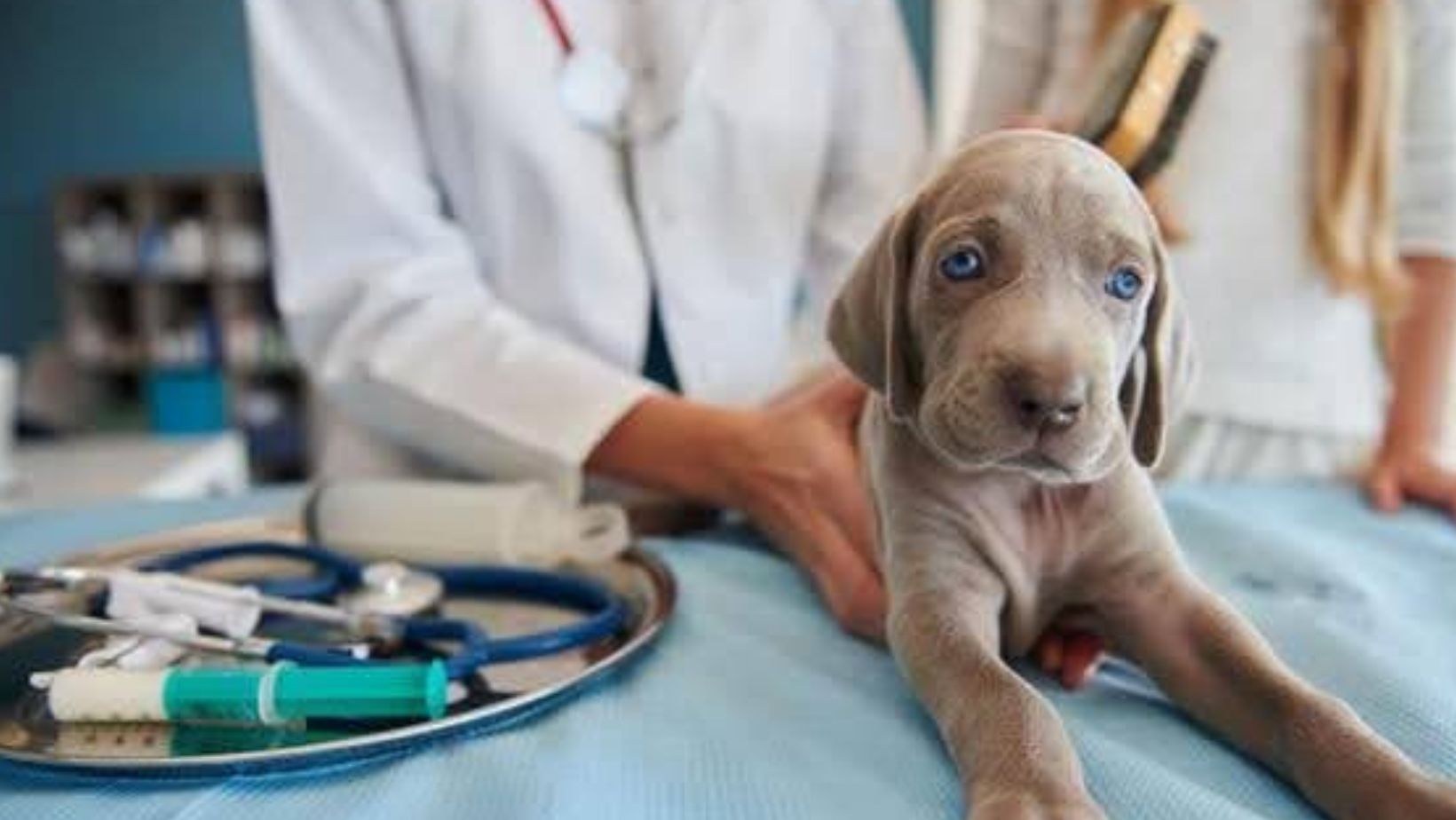
Last fall, my cat stopped eating. No vomiting, no obvious pain—just day after day of untouched food. The initial tests didn’t reveal much. Bloodwork was normal, and the X-rays didn’t show anything useful either.
That’s when our vet brought up a different approach: using an endoscope to look inside her stomach and upper intestines. She explained it was a minimally invasive procedure, often used when external signs don’t match the test results.The clinic had recently upgraded to pet endoscopy equipment designed for small-animal diagnostics, which gave them a clearer, safer way to investigate without surgery.
At that point, it made sense. We were guessing. The scope would let her see exactly what was going on—without surgery.
Not All Clinics Can See What’s Really Going On
Turns out, not every vet clinic is equipped for endoscopy. It’s not part of every practice’s toolkit—not because it’s experimental (it’s not), but because good pet endoscopy equipment isn’t cheap. But it’s worth it.
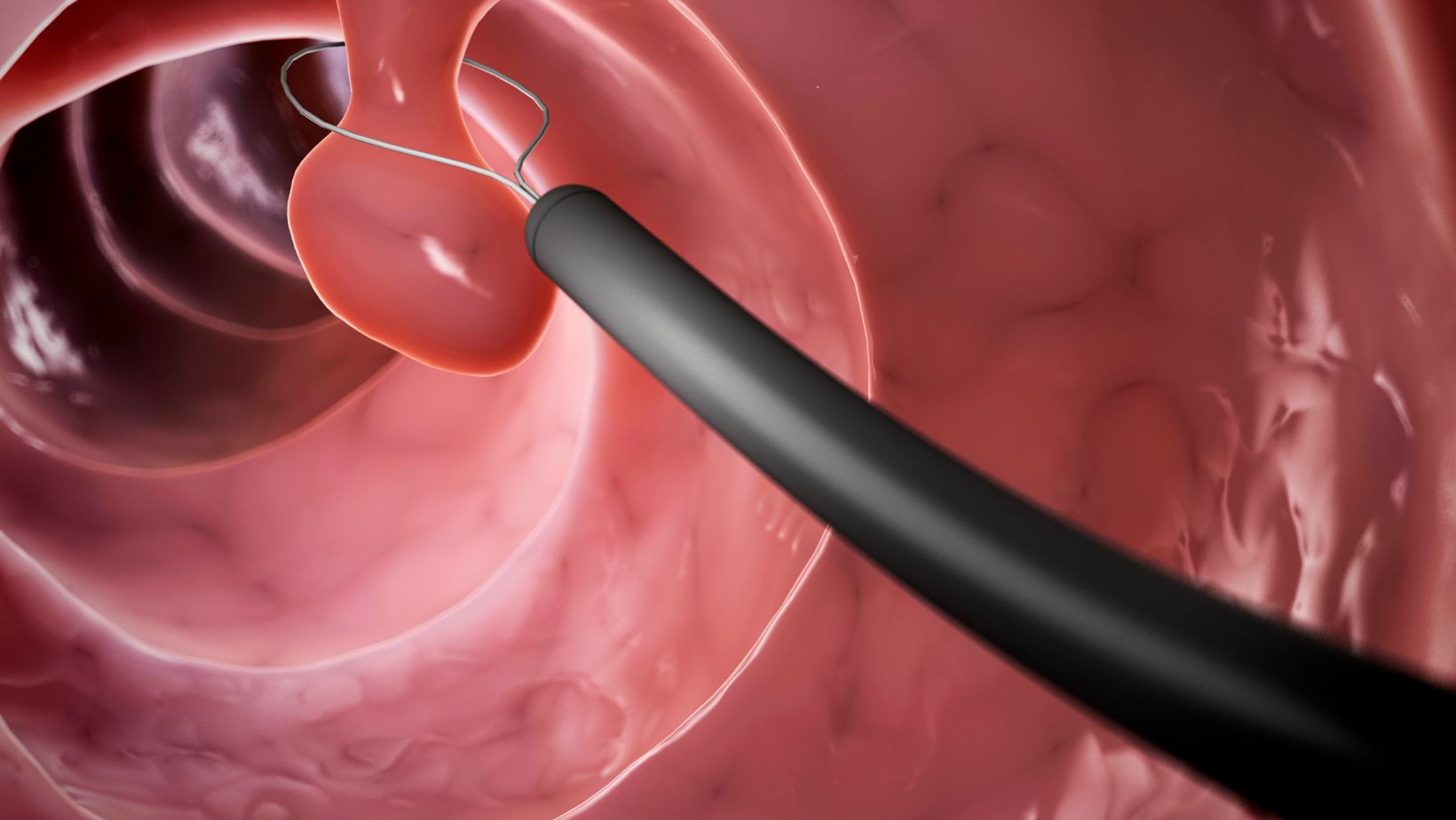
With the right tools, vets can navigate your pet’s GI tract, bladder, nasal passages—without cutting them open. They can spot ulcers, growths, swallowed hair ties, and early-stage inflammation. Things no blood test or x-ray would ever catch in time.
So we scoped my cat.
And guess what? Tiny piece of string lodged near the stomach opening. Not enough to block, but enough to hurt.
This Isn’t the Future—It’s Already Happening
Clinics across the country are quietly upgrading. Not flashy. Not advertised. But game-changing.
More and more hospitals are investing in flexible veterinary endoscopes designed for cats, dogs, even exotics. These systems give vets a real-time, high-def look inside—and often allow for biopsy or retrieval during the same procedure. No surgery. Minimal recovery. More clarity.
Some facilities source their scopes from suppliers that build specifically for animal health. For example, many clinics looking to add or upgrade their diagnostic gear now turn to animal-focused endoscopy system providers that specialize in customizable solutions tailored to clinical needs—not repurposed human gear.
What This Means for You—and Your Pet
When something’s wrong, every day without answers feels like a gamble. Guessing is exhausting. But real-time, visual confirmation? That changes everything.
Endoscopy isn’t just about fancy tools—it’s about giving vets a better chance to help, sooner. It means your dog doesn’t have to go through exploratory surgery to figure out why they’re vomiting. It means your cat doesn’t suffer while you trial meds in the dark.
And if you’re someone who runs or works at a veterinary clinic, this isn’t just nice to have—it’s something you should seriously consider. Adding pet endoscopy equipment doesn’t just improve diagnostic accuracy; it elevates your standard of care and makes your clinic part of the future of veterinary medicine.
Real Case: How Endoscopy Solved a Hidden Problem in a Dog
A senior Golden Retriever in Devon had been coughing and running a mild fever. Antibiotics weren’t helping, and X-rays showed nothing. The owners feared the worst—maybe heart disease or even cancer.
But instead of continuing with trial-and-error treatments, the vet used a veterinary endoscope to examine the dog’s airways. The scope revealed a tiny grass awn lodged in the trachea—something standard tests would have missed. It was safely removed that same day, and the dog went home recovering well.
This wasn’t a major hospital. Just a small, dog-friendly clinic that invested in the right diagnostic equipment—and it made all the difference. Just as clinics benefit from better tools, pet owners also seek out trusted dog grooming salons to ensure their pets receive the best possible care in everyday life.
So… Should You Ask About It?
Yes. Ask your vet if they offer endoscopy—or if they refer to a clinic that does. If your pet’s been struggling with unexplained symptoms, this could be the test that finally gives you answers.
And if your clinic doesn’t have it yet? That’s not a knock. But some are already ahead of the curve. You deserve to know who’s using the right tools to look deeper.
Why Pet Owners Should Ask About Endoscopy
If your dog’s been vomiting, coughing, or acting “off,” don’t settle for guesses. Many conditions—like foreign objects, early inflammation, or ulcers—can’t be detected by bloodwork or X-rays alone. That’s where pet endoscopy equipment comes in.
Ask your vet if they use endoscopy or refer to a clinic that does. Especially when you’re traveling with pets or staying in pet-friendly cottages, knowing there’s a clinic nearby with real diagnostic capability can bring peace of mind.
For Clinics: Pet Endoscopy Is a Smart Upgrade
If you manage a clinic, adding endoscopy tools does more than expand your service list:
- Improves diagnostic accuracy
- Reduces unnecessary surgeries
- Boosts client trust and satisfaction
- Helps you stand out locally
Today’s systems aren’t just hospital-grade. Many clinics are now choosing animal-specific endoscopy solutions designed for daily use. Some even offer modular scopes that grow with your caseload and budget.
Clinics aiming to modernize often choose providers focused on veterinary needs—not repurposed human tools. Explore custom-fit solutions for pet diagnostics to see how specialized systems can fit your practice.
See More, Treat Smarter
Endoscopy helps vets look beyond symptoms and get real answers—quickly, clearly, and with less stress for your pet. Whether you’re a dog owner, a frequent traveler, or a clinic leader, it’s worth knowing who’s using the tools that let us see what really matters.
