Imagine walking through your front door after work. Couch cushions are shredded everywhere. Your dog won’t stop barking at the window. They’ve been pacing by the door for three hours. Does this sound familiar?
These behaviors aren’t about having a bad dog. Your dog tells you that their brain is bored and needs more to do. The fix isn’t more rules or stricter discipline. It is about giving your dog’s mind a real workout, and enrichment activities provide that. They turn everyday playtime into something that improves your dog’s behavior.
What Makes Enrichment Different from Regular Play
Think of enrichment activities as brain food for your dog. Dog enrichment activities tap into what dogs naturally want to do. They make your dog think, solve problems, and use their incredible senses. According to science, when dogs get regular enrichment, their brains build new connections. They learn faster, handle stress well, and behave better. You will notice your dog staying calmer, focusing easier, and controlling their impulses better.
There is a big gap in most dogs’ lives today. German Shepherds were made to herd sheep all day. Retrievers were bred to swim and fetch birds. Terriers were built to dig and hunt underground. But most dogs today don’t get to do any of that. Without these outlets, even the sweetest family pet can develop behavior problems. That is why dog enrichment activities are so important.
Why Mental Stimulation for Dogs Changes Behavior
First, it channels energy the right way. When your dog’s brain is tired from mental work, they won’t look for trouble. Behavior experts call this redirection. You are taking their natural drives and pointing them somewhere good.
Second, canine enrichment builds patience and self-control. Working on a puzzle toy teaches your dog to maintain patience. They learn to wait for what they want. These skills get reflected in their behavior. A dog who can solve a tricky treat toy will have an easier time waiting at the door.
Third, interactive dog play strengthens your bond. When you give your dog fun challenges and rewarding experiences, they pay more attention to you. They want to work with you.
Different Types of Enrichment Your Dog Needs
Scent Work Uses Your Dog’s Superpower
Your dog has 300 million scent receptors. You have 6 million. Through the help of smell, they understand the world. Scent work lets them use this amazing ability.
Hide treats around your house in cardboard boxes. Let your dog sniff them out. Put a few drops of vanilla extract on the grass to create a scent trail. Make it harder as your dog gets better. You can even train formal nosework, where dogs learn to find specific scents. Twenty minutes of sniffing activities can tire out a dog more than an hour-long walk. Scent work is perfect for high-energy dogs or dogs who can’t exercise much.
Puzzle Toys Make Dogs Think
Puzzle toys give your dog’s brain a workout. Start with treat-dispensing balls. Your dog learns that moving the toy drops treats. Then try harder puzzles with multiple steps.
Interactive feeders transform mealtime into an enrichment opportunity. Rather than gulping food from a bowl in seconds, dogs must work for their meals by pushing, rolling, pawing, or nudging to access the kibble. This not only slows eating but also satisfies foraging instincts inherited from wild ancestors. The benefits extend to digestion and bloat prevention as well.
Training itself serves as a powerful cognitive enrichment. Teaching new commands, tricks, or behaviors creates novel neural pathways and requires focused attention. Obedience-based games make learning enjoyable while reinforcing good behavior patterns. Dogs that regularly engage in training sessions demonstrate improved focus, better self-control, and enhanced problem-solving abilities in other contexts.
Physical Play That Works Body and Brain
Structured physical activities work both the body and mind at once. Set up simple agility courses with household items. Your dog jumps over broomsticks, weaves around chairs, and follows your directions. It is physical and mental at the same time.
Structured play differs from simple fetch sessions. Flirt pole work teaches impulse control. Your dog wants to chase the toy on a rope, but they must wait for your command to get it. Tug-of-war with clear start and stop rules does the same thing.
Foraging connects movement with natural behaviors. Scatter your dog’s dinner across the backyard instead of using a bowl. They search and hunt for every piece. Make a digging pit filled with sand if you have a digger. Apartment dogs can use snuffle mats or treats rolled in towels.
Social Time Teaches Important Skills
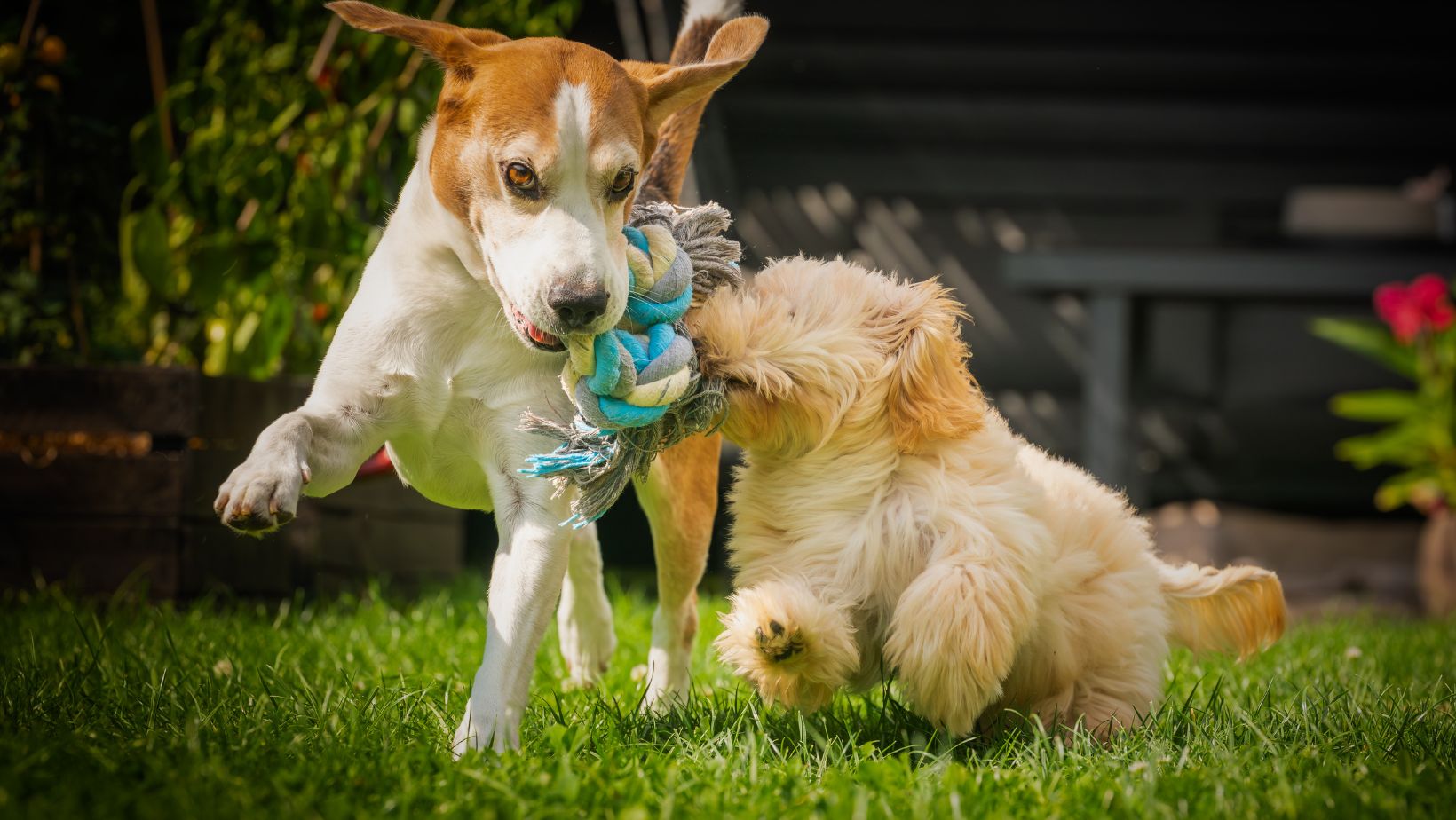
Dogs are innately social creatures. For proper social enrichment, set up play dates with dogs who play well together. Your dog learns to read body language, control their bite, and respect boundaries. This helps with reactivity and improves dog behavior.
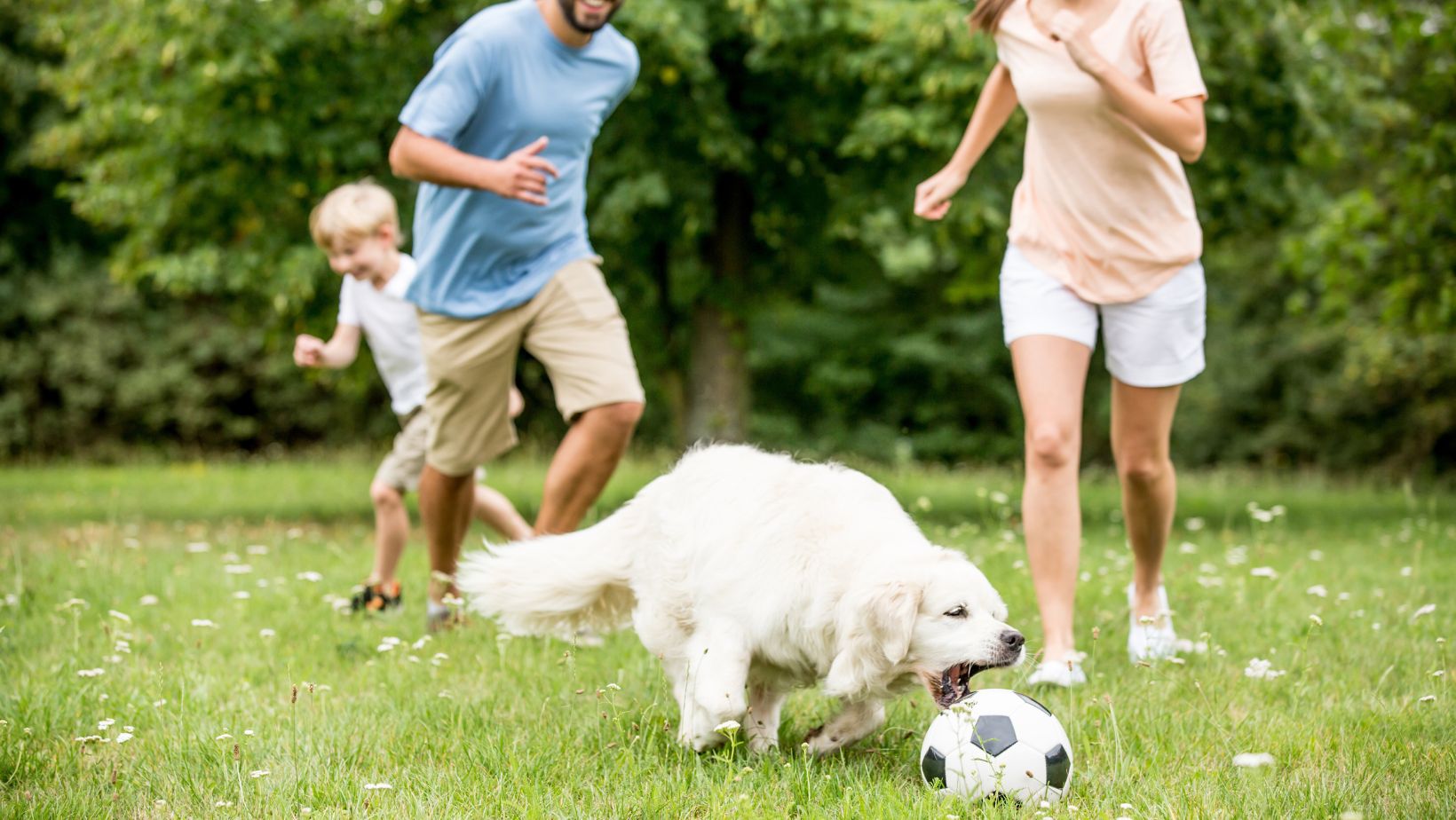
Time with you counts too. Human-dog social enrichment contains cooperative activities like trick training, hide-and-seek games, or working together on obstacle courses. Play hide-and-seek in the house. Work through obstacle courses as a team. These activities teach your dog to watch you for guidance.
The Working Dog Connection
Family dogs and working dogs need the same enrichment foundation. Professional trainers use intensive enrichment starting from puppyhood. They expose puppies to different surfaces, sounds, places, and challenges constantly. This builds confident dogs who can handle anything. Organizations like Israel Protection K9, which trains elite protection and security dogs, use these enrichment principles to cultivate proper behavior in dogs. Even families searching for shih tzu puppies for sale can apply these same enrichment strategies at home to raise stable, adaptable companions. The only difference is how intense and specific the challenges are. Puzzle toys teach persistence. That becomes a work ethic. Structured play teaches impulse control. That becomes self-discipline for public access work.
Making Enrichment Part of Your Day
You don’t need hours to train your dog through enrichment activities. Small, regular efforts make big changes. Start mornings with a five-minute scent game before breakfast. Use puzzle feeders for meals. Add short training sessions throughout the day. Do longer activities a few times a week, like agility or foraging games.
Keep this in rotation to maintain novelty and interest. Monday is scent work, Tuesday is puzzling toys, Wednesday is training, Thursday is structured play and on Friday, try something new. Variety keeps dogs interested. High-energy breeds need more frequent, intense enrichment. Calm breeds need less but still benefit. Puppies need more mental work than seniors, but older dogs still need brain exercise.
What Changes You’ll See
Most owners notice changes within days. Less destructive chewing and begging for attention. As enrichment becomes routine, bigger changes show up. Better focus during training. Less reaction to triggers. Better impulse control, and dogs evidently exhibit more confidence in new places.
These aren’t surface changes. Real things are happening in your dog’s brain. Enrichment satisfies deep needs. It lowers their stress hormones and builds the thinking skills that help them make better choices. A mentally happy dog doesn’t want to cause problems.
For dogs with anxiety, reactivity, or compulsive behaviors, enrichment activities are key to fixing issues. It lowers stress, helps regulate emotions, and creates good experiences that help training work better.
Building Better Behavior One Activity at a Time
Owners implementing enrichment programs typically notice changes within days. Initial improvements include reduced destructive behaviors, decreased attention-seeking, and better settling. As enrichment becomes routine, bigger changes emerge. Dogs show improved focus during training, reduced reactivity to triggers, better impulse control, and increased confidence in different situations.
Whatever your goal is, dog enrichment activities give you a science-backed path. Your time and creativity pay off with fewer problems, stronger bonds, and a happier dog. Every puzzle solved builds their brain. Every scent tracked uses its natural gifts. Every obstacle jumped builds confidence. You feel confident that you are raising a complete, happy, mentally healthy animal. That is what happens when playtime has purpose.
Ready to Take Your Dog’s Development Further?
Seeing enrichment transform your dog might make you curious about what else is possible. Advanced training builds on these same foundations with more structure and specific goals.
Curious about service dog training? Interested in therapy dog prep? Want to explore your dog’s full potential? Learning about advanced enrichment opens exciting doors. The journey from basic home enrichment to advanced training shows something amazing. Dogs are capable of so much more when given the right chances to learn, grow, and shine.