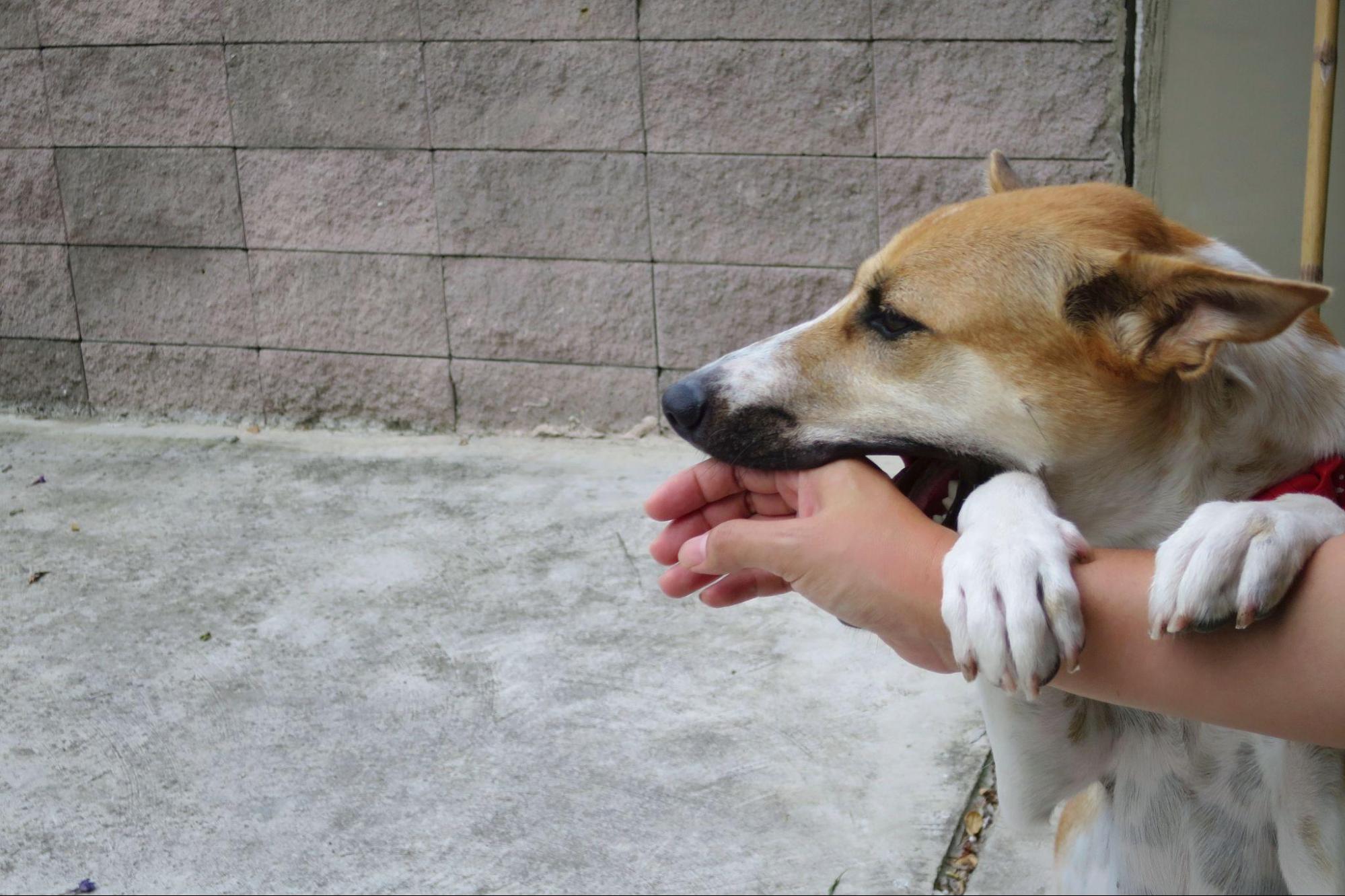
Responsibility often hides in plain sight, especially when people label cases as accidents too quickly. Dog bite injuries are one of those situations. A bite may happen in seconds, but the responsibility behind it builds over time through choices, control, and awareness.
The law does not treat these injuries as random events because harm like this rarely appears without warning signs or missed duties.
This topic sits at the center of dog bite cases, and it deserves a closer look, one that speaks clearly and without noise, because responsibility shapes everything that follows.
Why Dog Bite Injuries Are Taken Seriously Under the Law?
Dog bite injuries can cause more than surface wounds. They often lead to infections, nerve damage, scarring, and long recovery periods. Because of this, the law treats them as serious injury matters rather than minor incidents. Once a bite breaks the skin, responsibility becomes a legal issue, not just a personal one.
Courts and insurers closely examine how the injury occurred and whether it could have been avoided. This is why many people turn to a skilled dog bite lawyer early on, not because they want conflict, but because responsibility needs to be examined carefully before it fades into assumptions.
Legal Responsibility in Dog Bite Cases
Responsibility in dog bite cases is not automatic. It depends on behavior, knowledge, and reasonable care. The law looks at whether someone failed to act in a way that could have prevented the injury. This is known as negligence.
Some people assume that owning a dog alone creates responsibility, but that is not always how the law works. Responsibility often depends on what the owner knew and what they did with that knowledge. This makes dog bite cases less predictable than they seem at first glance.
The Role of Dog Owner Knowledge and Control
What Owners Are Expected to Know?
Dog owners are expected to know their dog’s behavior patterns. This includes signs of aggression, fear responses, or past incidents that suggest risk. If a dog has shown dangerous behavior before, the owner is expected to take steps to prevent harm. Ignoring these signs raises serious questions of responsibility under the law.
Control and Supervision Expectations
Control matters just as much as knowledge. Dogs are expected to be properly supervised, restrained, and kept away from situations where they may harm others.
Leashes, secure fencing, and clear boundaries are not optional measures. A lack of control is often a central factor in determining responsibility after a bite.
Situations Where Responsibility May Be Shared
Not every dog bite case points to a single person. Responsibility can be shared depending on the situation. Property owners may be involved if they allow a dangerous environment.
Temporary handlers may be questioned if they failed to properly control the dog. Even caretakers can play a role if they ignore safety measures.
Shared responsibility does not weaken a claim. Instead, it broadens the scope of accountability and clarifies how the injury occurred and who had a duty to prevent it.
How do Dog Bite Laws Evaluate Owner Responsibility?
Dog bite laws focus on patterns and precautions. Courts consider whether the owner took reasonable steps to prevent harm and whether prior incidents were handled responsibly. The presence of warnings, complaints, or animal control reports often plays a key role.
Responsibility is evaluated based on facts, not emotions. This structured approach helps separate real accountability from assumptions, making dog bite cases more grounded in evidence than opinion.
Evidence That Matters in Dog Bite Responsibility Claims
Evidence shapes responsibility more than words ever could. Clear records help show what happened and why. This includes:
Medical records that document the injury.
Photos of wounds and the location.
Witness statements that describe the incident.
Animal control reports and prior complaints.
This evidence helps establish patterns and behavior, which are essential in responsibility claims. Without it, proving accountability becomes harder.
Insurance and Responsibility After a Dog Bite
Insurance companies play a large role in dog bite cases. They review responsibility closely because it determines whether coverage applies and how much compensation may be offered. Disputes often arise when responsibility is unclear or shared.
Claims adjusters look for reasons to reduce liability, which is why clear responsibility supported by evidence is so important. Many people rely on a skilled dog bite lawyer at this stage to prevent responsibility from being shifted by insurance arguments rather than by the facts.
Why Dog Bite Injury Cases Require Legal Guidance?
Dog bite injury cases require careful handling because responsibility is rarely straightforward. Legal guidance helps connect the facts to the law, protecting injury claims from dismissal or undervaluation.
This guidance focuses on clarity, not conflict. It ensures that responsibility is assessed properly and that the injury is treated with the seriousness it deserves under the law.
Wrap Up!
Dog bite injuries are not random events with unclear causes. They raise direct and serious questions of responsibility that the law is designed to address. From owner knowledge to control, from evidence to insurance review, responsibility remains the core issue throughout the process.