
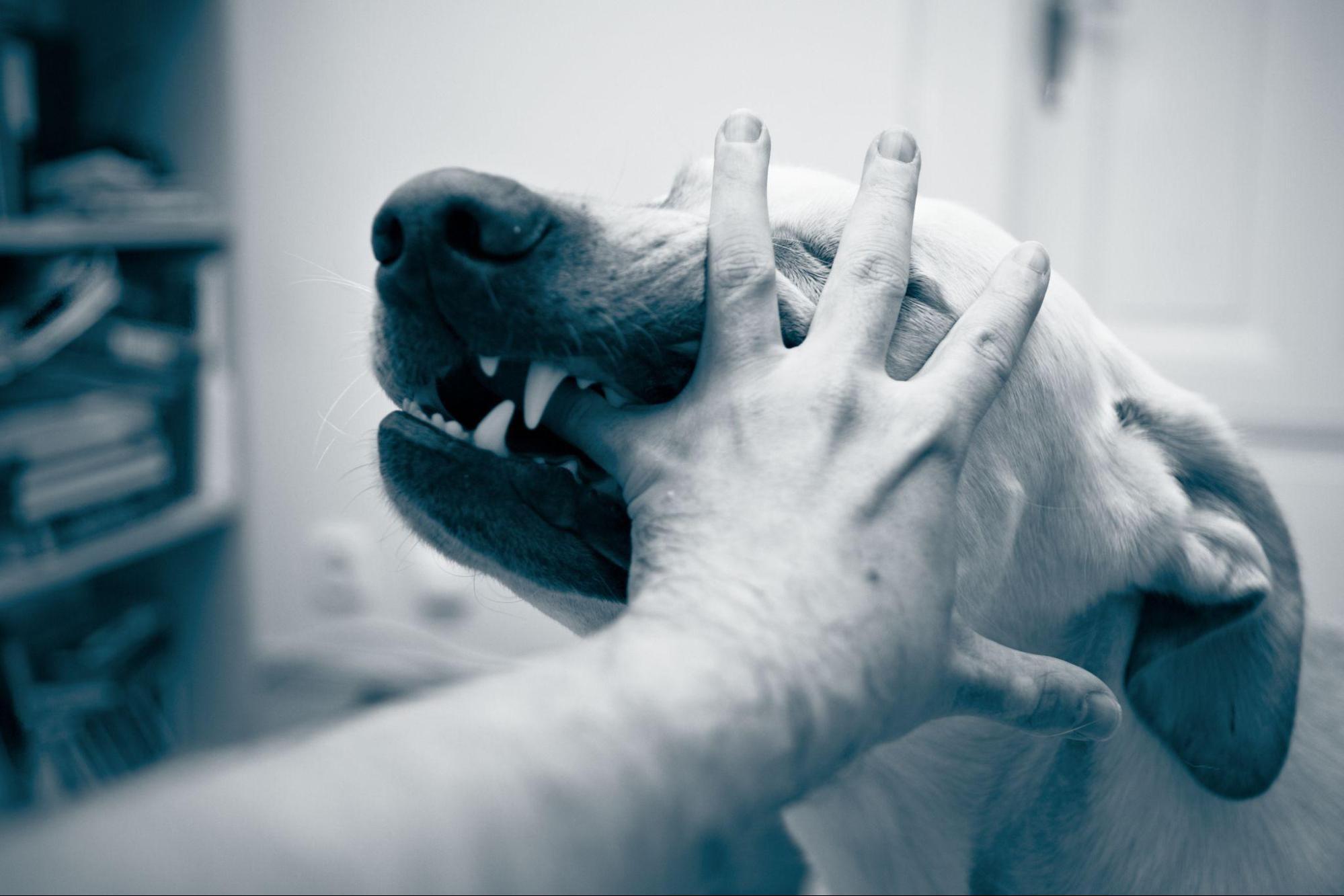
Dog bites are more than just a sudden shock. They can change your life in ways that linger long after the incident.
Insurance companies, legal systems, and medical bills all play a role, and each factor influences how much a victim may receive. And to have a good understanding of what affects your compensation helps to move forward with confidence.
Here are the key elements that determine dog bite settlements and what you should know to protect your rights.
Type of Dog Bite Settlements
Dog bite settlements aim to cover losses caused by the incident. Every case is unique, and settlements take multiple factors into account. Injuries vary, costs differ, and personal circumstances can shape the outcome. Victims must consider both economic and non-economic damages.
Economic damages include tangible costs like medical bills and lost wages.
Non-economic damages reflect the emotional strain, pain, and life disruptions caused by the attack.
Each of these pieces contributes to the final settlement. Consulting a personal injury lawyer for dog bites early in the process ensures that all aspects are considered and documented properly.
1. Medical Expenses and Ongoing Care
Immediate Treatment and Emergency Care
Medical bills start as soon as the bite occurs. Emergency room visits, stitches, and wound care are just the beginning. Quick medical attention not only prevents infection but also strengthens documentation for compensation.
Follow-Up Care and Therapy
Some injuries require follow-up appointments, therapy, or even reconstructive procedures. These costs can accumulate over weeks or months, and settlements often account for the total projected medical expenses.
Future Medical Needs
Long-term care, such as physical therapy or treatment for scarring, may also influence compensation. Proper documentation from healthcare providers is key to including these expenses in a settlement.
2. Lost Income and Work Impact
Wages Lost During Recovery
Time off work directly affects income. Victims must record days missed and any reductions in hours to reflect lost earnings accurately.
Long-Term Reduced Earning Capacity
Severe injuries can limit the ability to return to the same job or perform tasks as before. Settlements often include compensation for reduced future earning potential.
Documenting Financial Losses
Keeping pay stubs, tax records, and employer statements helps establish the full impact of lost income. This documentation strengthens claims and ensures victims receive fair compensation.
3. Pain, Suffering, and Emotional Distress
Physical Pain and Discomfort
Beyond visible injuries, victims experience ongoing pain and limitations. Settlements consider the intensity and duration of this suffering.
Emotional Trauma and Anxiety
Fear, anxiety, and stress following a dog bite affect daily life. Counseling or therapy costs may also be included in a claim.
Supporting Claims for Non-Economic Damages
Detailed records, witness statements, and medical evaluations support these claims. Non-economic damages are subjective but essential for a fair settlement.
4. Property Damage and Related Costs
Damage to Clothing or Personal Items
Clothes or personal belongings damaged during the attack are part of the settlement. Receipts or photos serve as proof.
Replacements or Repairs
Replacing items, like shoes or devices damaged during the bite, contributes to the overall claim value.
Including These in Claims
Even small costs matter. Including every expense ensures the settlement reflects the real impact of the incident.
5. Establishing Liability
Proving Dog Owner Negligence
Compensation depends on demonstrating that the owner failed to control or properly secure their dog. Evidence like photos, witness accounts, or prior reports strengthens liability claims.
Shared Fault or Contributory Negligence
Some cases involve partial responsibility on the victim’s side. Legal advice can help navigate these situations to avoid losing compensation.
How Evidence Strengthens Compensation
Well-documented evidence supports higher settlements. This includes medical reports, incident photos, and any prior complaints against the dog.
6. Insurance Policies and Coverage Limits
Role of Homeowners’ or Renters’ Insurance
Insurance companies often handle claims. Understanding policy limits helps predict potential settlement amounts.
Policy Limits and Settlement Impact
Some policies may cap payouts, which can influence negotiations. Knowing these limits helps victims set realistic expectations.
Exploring Additional Compensation Avenues
If insurance coverage is insufficient, victims may pursue additional claims through legal channels, ensuring damages are fully addressed.
7. Working With an Experienced Attorney
Guidance Through the Claims Process
A personal injury lawyer for dog bites guides victims through legal procedures, ensuring paperwork is complete and deadlines are met.
Evidence Collection and Documentation
Attorneys assist in gathering medical records, witness statements, and incident reports, forming a strong foundation for claims.
Negotiation Strategies
Lawyers handle discussions with insurance companies to maximize settlements. Their expertise ensures victims are fairly compensated without unnecessary delays.
Wrap Up!
Dog bite settlements are determined by medical costs, lost income, emotional impact, property damage, liability, and insurance coverage. Understanding these elements gives victims clarity and confidence. Legal guidance helps ensure nothing is overlooked, and every aspect of the injury is considered. Working with a qualified attorney turns a confusing process into a manageable one, so victims can focus on recovery while securing the compensation they deserve.