

All-dog veterinary care is exactly what it sounds like: a clinic built specifically around canine health, behavior, and handling. If you’re searching for a veterinarian for a dog, an all-dog practice can feel more focused and more “built for your life” because everything from exam flow to staff training is centered on dogs.
That said, most all-dog vets provide the same core medical care you’d expect anywhere: prevention, sick visits, diagnostics, treatment plans, and guidance. What varies by clinic is how deep they go with things like imaging, surgery, same-day urgent care, and specialty-style services. This guide breaks down what’s standard, what’s optional, and how to choose the right fit for your dog.
What “All-Dog Veterinary” Care Actually Means
Dog-only focus vs “we see dogs too”
A true dog-only clinic is designed to treat dogs and only dogs. A mixed animal clinic might see dogs plus cats (or sometimes exotics), which is totally normal and can still be great care. The difference isn’t “better vs worse,” it’s focus and environment.
Dog-only practices tend to build their routines around common dog needs, like handling nervous pups, managing big energetic breeds, and coaching owners through training and lifestyle stuff that affects health.
Why the dog-only model changes the experience
When a clinic is dog-only, it often changes the day-to-day experience in subtle ways: smoother patient flow, fewer species-specific stress triggers, staff that handles dogs all day every day, and appointment structures that leave more room for education. Even the physical setup can be more dog-friendly, like how they move patients through the space and how exams are performed for comfort and safety.
Core Services All-Dog Vets Typically Provide
Wellness exams and preventive care
This is the foundation. Most all-dog vets offer regular wellness exams, puppy visits, and senior checkups. The goal is to catch issues early, track weight and body condition, keep vaccines on schedule, and talk through lifestyle factors that affect health.
Vaccinations and tailored schedules
You can expect guidance on core vaccines, timing by age, and boosters. Many clinics also recommend lifestyle-based vaccines depending on your dog’s exposure and routine. A good vet will explain what’s necessary, what’s optional, and why.
Parasite prevention and testing
All-dog vets typically cover flea and tick control, heartworm prevention, and routine screening like fecal testing. The “best” plan depends on where you live, your dog’s habits, and your risk level, so this is usually personalized.
Nutrition and weight management
Most clinics help with feeding plans, healthy growth patterns for puppies, and weight control for adults and seniors. This usually includes body condition scoring and practical adjustments, not just “feed less.”
Behavioral and lifestyle guidance
This is where dog-only clinics often shine. Many owners want support around puppy socialization, fear periods, anxiety, reactivity, and training red flags. Vets won’t replace a trainer, but they can spot when behavior looks like stress, pain, or a health issue—and help you pick the next step.
Sick Visits and “Something’s Off” Appointments
Common concerns all-dog vets evaluate
These are the everyday problems that make owners call: vomiting, diarrhea, coughing, itching, ear infections, limping, lethargy, appetite changes, and “they’re just not themselves.” An all-dog vet clinic typically sees these constantly, so they’re set up to triage and problem-solve efficiently.
How a vet narrows down the cause
A good sick visit usually starts with three things: your dog’s history, a full physical exam, and targeted testing when needed. The point isn’t to run every test—it’s to use the right ones based on what the vet sees and what your dog is showing.
Diagnostics You Can Expect at Many All-Dog Vets
In-house lab work
Many clinics offer in-house bloodwork, urinalysis, and fecal testing. Some also screen for endocrine issues depending on symptoms and the clinic’s setup. In-house testing can speed up answers, which matters when your dog feels lousy.
Imaging
X-rays are common in general practices. Ultrasound is offered in many clinics, but not all. When a case needs more advanced imaging or specialist interpretation, referral imaging is normal and often the best move.
Skin and ear testing
Itchy dogs and ear issues are extremely common. Clinics often do quick in-house diagnostics like cytology (looking at cells under a microscope), swabs, scrapings, and cultures when needed. This is how you avoid guessing and actually treat the cause.
Treatments and Care Plans They Commonly Offer
Medications and short-term treatment plans
Depending on the diagnosis, vets may use antibiotics or antifungals when appropriate, anti-inflammatories, itch control, GI support, and supportive care plans. The best treatment is usually the simplest one that actually fits the problem.
Chronic condition management
Many clinics manage chronic issues like arthritis, allergies, diabetes, and kidney disease. How deep they go depends on the vet’s focus, the clinic’s equipment, and whether they collaborate with specialists for complex cases.
Pain management basics
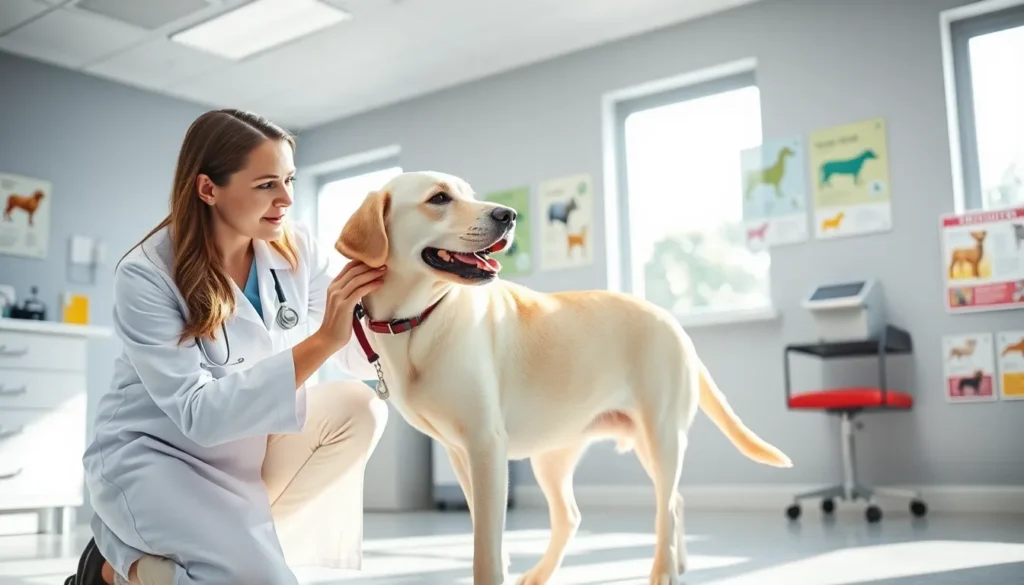
Pain management is a big part of canine care, especially as dogs age. Vets can offer safe options and build a plan that protects organs and supports mobility. One thing most vets are very firm about: human pain meds can be dangerous for dogs and should never be used without direct veterinary instruction.
Surgical and Procedure Capabilities (What Varies)
Common surgeries in many general practices
Most general practices offer core surgeries like spay/neuter, basic mass removals, wound repair, and many dental extractions. These are common, and they’re typically done routinely.
Advanced procedures some clinics provide
Some clinics go further with orthopedics, endoscopy, advanced soft-tissue surgery, and ultrasound-guided sampling. Not every clinic needs to offer these in-house. What matters is that they can guide you to the right next step.
Referral relationships
Referrals are not a failure. They’re how you get specialty-level care when your dog needs it. Strong clinics have clear referral relationships and can coordinate the handoff so you’re not stuck figuring it out alone.
Dental Care and Oral Health Services
Cleanings, dental X-rays, extractions
Dental care is a major part of dog health. Many clinics offer cleanings and extractions, and dental X-rays are a huge plus because a lot of dental disease sits below the gumline. Dental issues don’t stay “just in the mouth”—they can impact comfort, appetite, and overall health.
At-home dental prevention plans
Most vets will give realistic home prevention guidance: brushing, approved chews, water additives, and what to avoid. The goal is preventing problems—not waiting until your dog is in pain.
Urgent Care and Emergencies
What most all-dog vets can triage quickly
Many clinics can quickly triage issues like vomiting, minor wounds, sudden limping, ear infections, and allergy flares. Even if they can’t handle every true emergency, they can often stabilize, advise, and direct you appropriately.
What counts as a true emergency
Difficulty breathing, collapse, uncontrolled bleeding, bloat signs (distended belly, unproductive retching), seizures, and suspected toxin ingestion are “go now” situations. In those cases, minutes matter more than convenience.
What to do after hours
Ask the clinic what their after-hours plan is before you need it. Know which ER to go to, what to bring (records, medications list, recent timeline), and how to contact them. That small prep step makes emergencies less chaotic.
What a Great All-Dog Vet Visit Looks Like
Time, communication, and follow-through
A great visit feels clear: you understand what they found, what they think is most likely, what the plan is, and what to watch for at home. Written instructions, follow-up plans, and rechecks when needed are all signs of a solid clinic.
Tailored schedules by life stage
A puppy needs vaccine timing, parasite prevention, and behavior coaching. An adult needs prevention and early screening. A senior often needs mobility and chronic disease monitoring. The best clinics adjust care instead of using one generic schedule for every dog.
How to Choose the Right All-Dog Vet
Practical checklist
Look for the basics that actually affect your life: appointment length, same-day sick visit options, diagnostics on-site, a clear after-hours plan, and pricing transparency. You want a clinic that can explain their reasoning and make a plan you can realistically follow.
Questions to ask before you book
Ask how they handle prevention, what their vaccine approach looks like, how they treat recurring itching and ear issues, and how they think about pain management. Their answers tell you whether they’re thoughtful, practical, and aligned with what you want.
Conclusion
All-dog vets typically provide prevention, diagnosis, treatment, and long-term guidance, while advanced services like specialty procedures and certain imaging options vary by clinic. If you’re looking for a veterinarian for a dog, choose a practice that matches your dog’s age, lifestyle, and health needs—and that communicates clearly enough that you always know what’s happening and why.