

Dog attacks can happen in an instant, leaving victims with serious injuries that require immediate medical attention and ongoing care. When someone suffers from a dog bite, understanding how liability is determined becomes crucial for securing fair compensation.
The process involves examining multiple factors, from state laws to the specific circumstances surrounding the incident. Here’s everything that it entails.
Understanding the Legal Framework
The foundation of any dog bite claim rests on the legal framework governing these cases, which varies significantly from state to state. Under strict liability laws in some areas, owners are held responsible for their dog’s actions from the first incident, without needing to prove the owner knew the animal posed a danger.
This approach simplifies the process for victims because they don’t need to prove the owner knew their dog was dangerous.
Other states operate under what’s known as the One-Bite Rule. Under this system, owners may only be held liable if they knew or should have known their dog had aggressive tendencies. Essentially, the dog gets “one free bite” before the owner can be held strictly liable.
However, this doesn’t mean victims are without recourse. They can still pursue claims based on the owner’s negligence if they can demonstrate the owner failed to exercise reasonable care.
Proving Negligence in Dog Bite Cases
When strict liability doesn’t apply, establishing negligence becomes the primary path to recovery. This requires demonstrating that the owner failed to take reasonable precautions to prevent the attack.
Common examples include allowing a dog to roam freely without a leash in areas where leash laws exist, failing to properly secure a fence, or ignoring warning signs of aggressive behavior.
Evidence plays a critical role in these cases. A police report documenting the incident provides an official record of what happened. Witness statements from people who saw the attack can corroborate your version of events and provide details about the dog’s behavior.
Medical records not only document your injuries but also establish the severity of the attack and justify your medical expenses. If you’re pursuing a claim in New York, working with a New York dog bite law firm that understands the state’s specific liability laws can make a substantial difference in building a compelling case.
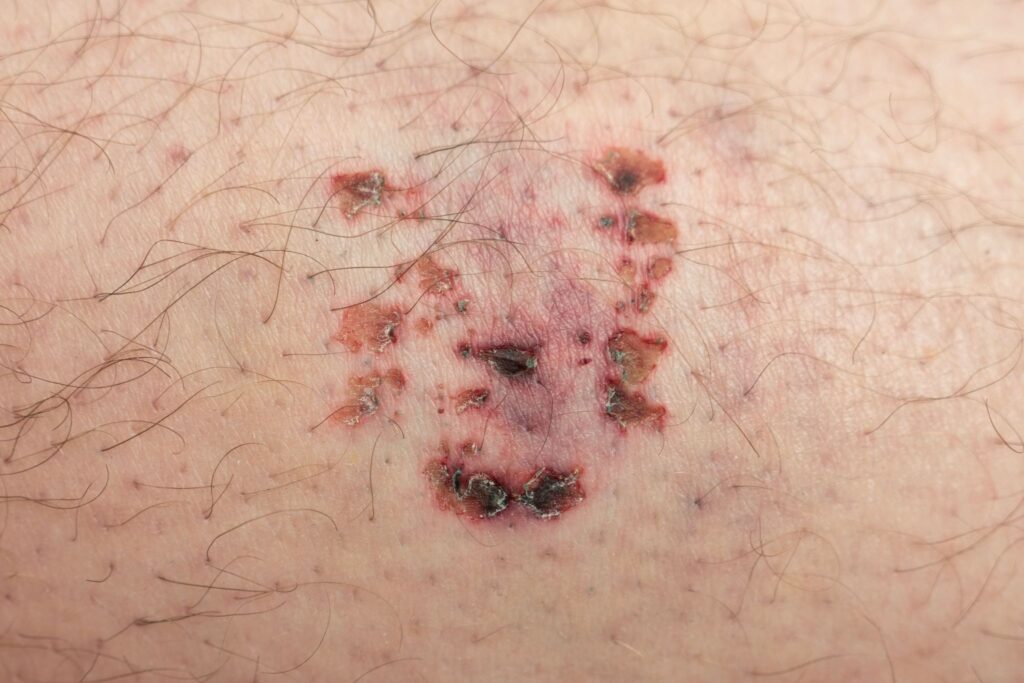
Photographs of your injuries, the location where the attack occurred, and any property damage can further strengthen your position. Some victims find that keeping a personal diary detailing their recovery process, including physical therapy sessions and psychological trauma, helps demonstrate the full impact of the incident.
The Role of Comparative Negligence
Many states apply comparative negligence principles to dog bite cases, which means your own actions leading up to the attack can affect your recovery. If you were trespassing on private property, provoking the dog, or ignoring warning signs, the court may reduce your compensation proportionally.
For instance, if you’re found 20 percent at fault for the incident, your settlement amount would be reduced by that percentage.
Insurance companies often scrutinize these cases for any evidence of comparative fault to minimize their payout. They’ll review witness testimony and examine the circumstances carefully. This is why having strong documentation and legal counsel becomes so important.
Insurance Considerations and Coverage
Most dog bite claims are ultimately paid through the owner’s homeowners’ insurance or liability insurance policy. Understanding insurance coverage becomes essential because policy limits directly impact potential settlement amounts.
The typical homeowners’ insurance policy includes liability coverage that extends to dog bites, though some policies exclude certain dog breeds or impose special restrictions.
Dealing with insurance companies presents its own challenges. Adjusters may try to minimize your claim by questioning the severity of the injuries, suggesting you provoked the animal, or arguing their policyholder wasn’t negligent.
They might offer a quick settlement that seems appealing but doesn’t fully account for long-term medical treatment needs, such as reconstructive surgery or ongoing physical therapy for nerve damage.
This is where having a personal injury lawyer becomes invaluable. They understand the tactics insurance companies use and can negotiate effectively on your behalf. They’ll also know how to properly value your claim, considering not just immediate medical bills but also future treatment needs, lost wages, and the psychological impact of the attack.
Time Limits and Legal Deadlines
Every state imposes a statute of limitations on dog bite claims, creating a deadline by which you must file your lawsuit. These time limits typically range from one to six years, depending on the jurisdiction, with most states falling in the two-to-three-year range. Missing this critical window usually means walking away from compensation entirely, regardless of the strength of your claim.
The clock generally starts running from the date of the attack, though exceptions exist in cases involving minors or when injuries aren’t immediately apparent. Given these strict deadlines, consulting with a legal professional soon after the incident ensures you don’t inadvertently forfeit your rights.
Moving Forward
Understanding how liability is determined in dog bite claims empowers victims to protect their interests. Whether your case proceeds under strict liability, negligence, or a combination of both, documenting everything thoroughly and seeking experienced legal representation gives you the best chance of fair compensation for your injuries and losses.