
Table of Contents:
- Possible problems during a cat’s taxi ride?
- How to properly transport a cat in a taxi?
- How to get your pet used to car travel?
- What do you need to take on the road?
Transporting your pet cat in a taxi can become necessary at any moment for various reasons. For example, emergency transport to the vet clinic or quick trips to the country house when there’s no one to look after your pet in the city. For such situations, it’s best to get your cat used to the car ahead of time and have all the necessary supplies on hand to transport the animal safely and without stress for the owners.
How to Properly Transport a Cat in a Car
First, before heading out on a trip, you should treat your animal for parasites and give them the necessary vaccinations. A house cat who ends up outside is at risk of picking up fleas and along with them a bunch of diseases not only from other animals, but even just from walking through grass.
The main rules for transporting cats in a car are:
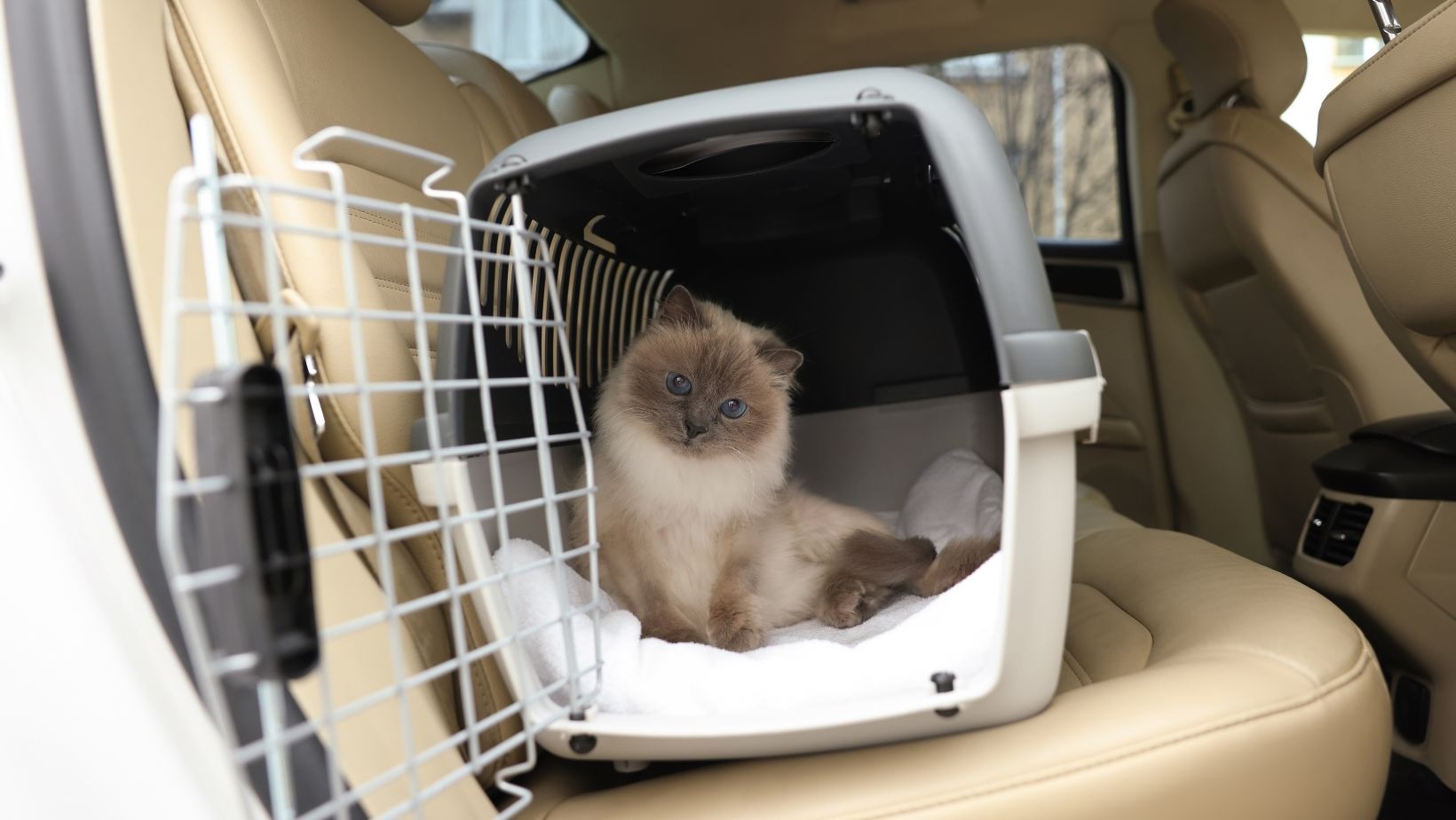
- The animal shouldn’t interfere with the driver or distract them from operating the vehicle in any way. So letting your cat sit freely on the seat without a carrier or in a passenger’s lap while moving is prohibited. Even a calm cat who’s used to the car might get interested in a bird flying by or get scared of something, jump from their spot and cause a traffic accident. This means while moving, the cat must be in a cage or carrier, but during stops can calmly sit on a special mat to protect the car’s seat upholstery.
- Transporting a cat in a car should be done with maximum comfort for the animal. It’s best to transport your pet not in a soft carrier bag, but in a fairly spacious plastic container or metal cage. Not least because the “house” can be secured in a stable position, for example, with belts on the back seat or fixed on the dividing barrier between the back and front seats. While moving, the cat shouldn’t be tossed from side to side in the cage, otherwise this can lead not only to injuries but severe stress.
- Transporting a cat in the trunk is prohibited! In the front seat, the animal is only transported in critical cases when the driver must monitor the animal’s behavior themselves.
- If the cat is riding in a car for the first time, it’s essential to have a passenger next to the driver who would monitor the animal’s condition. A familiar person sitting in the animal’s line of sight will significantly reduce the level of discomfort and stress with their presence.
- If you need to transport a cat over long distances, stops are required every few hours, during which the animal is taken out for a walk to drink water, get some air, and use the bathroom.
How to Get Your Pet Used to Car Travel
So how do you transport a cat in a car without stress? For this, it’s enough to introduce them to the car ahead of time and set up a place for the animal. But there are several important details:
- Before introducing your cat to the car, you need to get them used to the carrier and preferably to a harness. Cats usually get used to carriers quickly – just put a mat inside, place a toy, put a bowl of food and don’t close the door. You can read about how to train them to use a harness in our previous article “Should You Walk Your Cat: Getting Gear Together for Going Outside.”
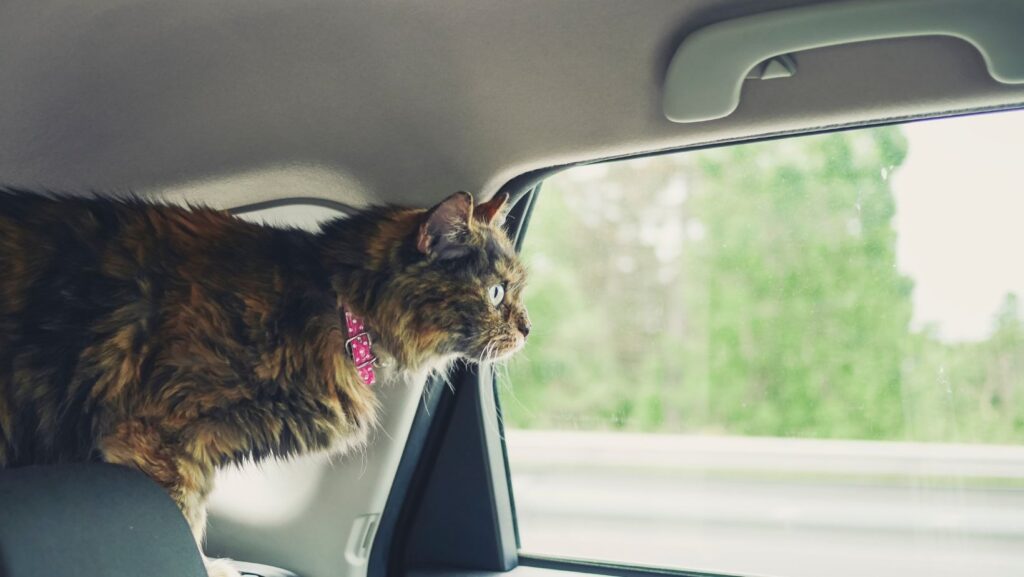
- An important part of preparing your cat for the trip is, of course, introducing them to the car. For this, you should pick a good moment when the animal is fed and in a calm state, take them outside, lead them on a harness to the car and let them sniff it. After this, you can put your pet inside, sit next to them and spend some time together in the cabin. To speed up the adjustment process, you can place the cat’s favorite mat on the back seat so they sense their own scent.
- If the animal behaves calmly in the cabin and doesn’t try to run out of it, you can try starting the car and let the cat get used to the unusual sounds. Next, it’s good to try driving a short distance with the cat and watch their reaction. Gradually increase the distance and time in the car. After several such exercises, the cat will be ready for a long trip.
It should be noted that there are quite nervous animals who are practically impossible to train to use carriers, leashes and cars. In this case, it’s better not to ruin your nerves or the animal’s and immediately consider the option of pet-sitting in your city, either with relatives or in a special pet hotel that’s not far away.
What You Need to Take on the Road
List of what you absolutely need to take to transport a cat in a car:
- A harness or collar with leash depending on what gear your pet is used to
- A mat both for the container and for the seat if stops are planned
- An automatic water dispenser for the road
- A small amount of food if the move will be longer than 4-5 hours
- A favorite toy to distract the animal if they suddenly get nervous
- Medications, for example, calming drops or motion sickness remedies, just in case
- Animal documents, since you can never predict whether you’ll need a veterinary passport on the trip or not, even without crossing borders. So when transporting, the owner should always have a complete set of documents for their pet in the car.
Possible Problems During the Trip
If you’re doing a summer move, due to heat and stuffiness both outside and in the car, the cat might feel unwell. To avoid this, it’s better to travel with the animal either early morning or closer to evening. When getting out of the car, for example at a gas station to go to the store or for coffee, it’s recommended to take the animal with you on the harness and not leave them alone inside the cabin. If the cat does overheat, first you need to take them out of the car into fresh air, lay them in the shade and give them water to drink. Ideally – you can stop at a gas station and bring the animal into a room with air conditioning. At the same time, you should avoid drafts and direct streams of cold air. It’s good to place a cloth soaked in cold water on the back of their neck. When the cat calms down and comes to their senses, you can continue the trip, but carefully watch your pet’s behavior and immediately show them to a vet upon arrival.
Another problem that can prevent transporting a cat in a car without stress is animals’ tendency to get motion sickness. That’s why several hours before the trip, they stop feeding the cat and try not to give food on short trips. But if your pet does get motion sick, at the first signs (rapid breathing, open mouth, urges to vomit) you should stop the car and take the animal outside. And give them motion sickness medication along with water.
To minimize the possibility of other problems with transporting a cat in a car, you can add calming medication or a very mild sleeping pill as prescribed by a vet to the animal’s drinking water ahead of time. And of course, it’s important to follow the rule – transporting an animal will go successfully if you approach its organization responsibly and think through each stage.