
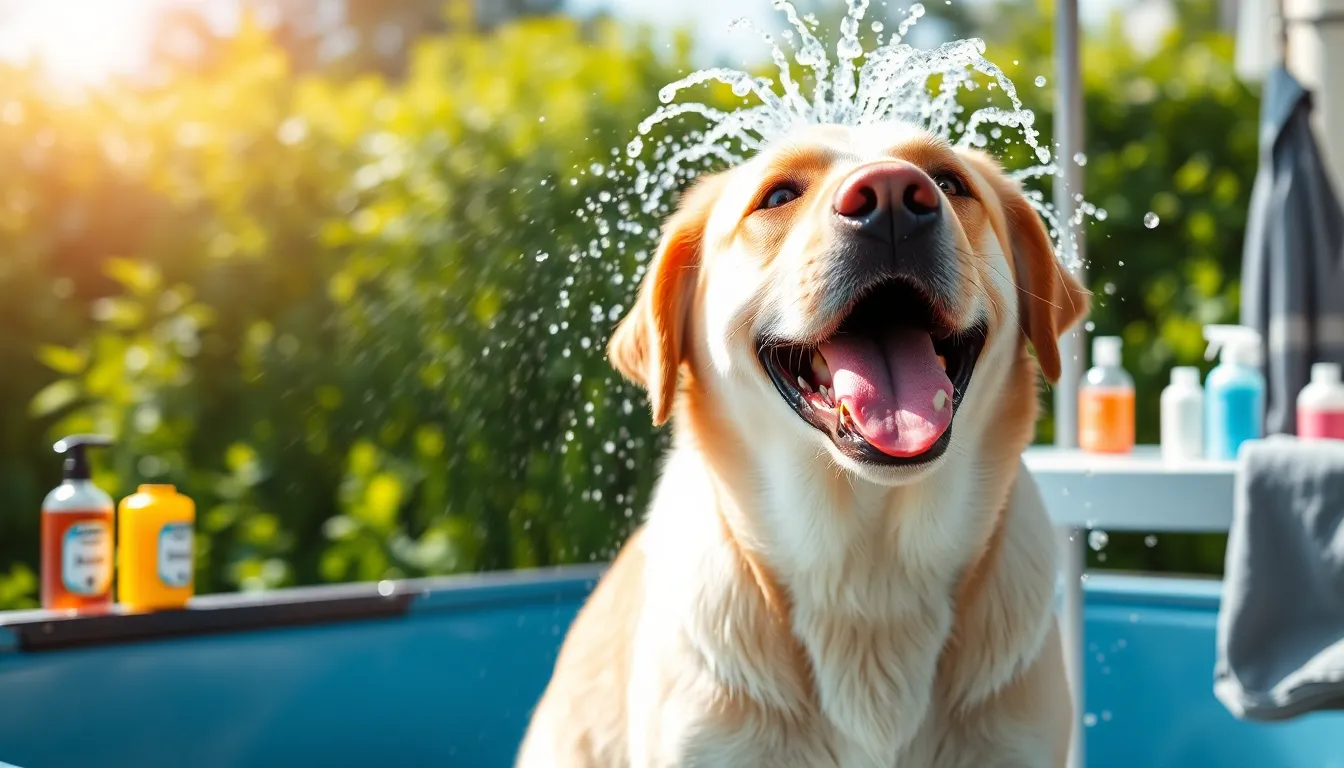
Labradors are known for their friendly nature and playful spirit, but their thick, water-resistant coat can also lead to some grooming challenges. Many pet owners wonder how often they should bathe their furry companions to keep them clean and healthy without stripping their coat of essential oils. Striking the right balance is key to maintaining a Labrador’s natural beauty and skin health. Bathing frequency can vary based on several factors, including activity level, coat condition, and individual skin needs. Understanding these elements helps ensure that a Labrador stays fresh and comfortable while minimizing the risk of skin irritations. In this article, readers will discover expert recommendations on bathing frequency, tips for effective bathing, and how to keep their Labs looking and feeling their best.
How Often to Bathe Labrador
Bathing frequency for Labradors varies based on specific factors. Experts recommend a typical range of every four to six weeks for most Labradors. However, some may require adjustments based on individual circumstances.Activity Level
Higher activity levels lead to more dirt accumulation. Labradors that regularly swim, play outside, or engage in vigorous exercise may need baths every two to four weeks. Frequent bathing removes dirt and odor, contributing to overall hygiene.Coat Condition
Labradors possess a water-repellent double coat that repels dirt and moisture. If the coat appears dull or feels greasy, a bath could benefit the dog. Conversely, overbathing can strip essential oils, resulting in dry skin or a damaged coat.Skin Needs
Labradors with specific skin conditions or allergies require tailored bathing schedules. Veterinarians often recommend medicated shampoos and may suggest bathing once a week or as needed. Always consult a veterinarian for a personalized bathing plan.Seasonal Changes
Seasonal variations can impact grooming needs. During shedding seasons, typically spring and fall, more frequent brushing is necessary. Bathing is less frequent but can assist in controlling loose hair and allergens.Post-Exercise Bathing
Bathing immediately after muddy play or swimming helps remove dirt and bacteria that might irritate the skin. Use a gentle dog shampoo and rinse thoroughly to maintain coat health. By considering these factors, Labrador owners can determine an appropriate bathing schedule that maintains a healthy coat while avoiding skin issues.Factors Influencing Bathing Frequency

Coat Type
Labradors possess a water-repellent double coat, which plays a significant role in bathing frequency. This coat requires less frequent bathing compared to single-coated breeds. Bathing too often can strip natural oils, leading to dryness. Conversely, dull or greasy coats benefit from baths when necessary to restore appearance and cleanliness. Owners should assess their Labrador’s coat condition regularly, aiming for baths every four to six weeks under normal circumstances, unless excessive dirt or odor prompts more frequent bathing.Activity Level
Labrador activity levels greatly impact bathing needs. Active Labradors, who frequently play outside or swim, often accumulate dirt, mud, and odors. In such cases, more regular baths—every two to four weeks—are appropriate to maintain hygiene. For less active dogs, sticking to the typical four to six-week schedule suffices. Monitoring the dog’s physical activity helps determine whether adjustments to the bathing routine are necessary for odor control and overall cleanliness.Skin Health
Skin health significantly affects a Labrador’s bathing schedule. Dogs with sensitive or problematic skin may require specialized bathing routines, often dictated by a veterinarian. Owners should watch for signs of irritation or allergies, adjusting bathing frequency accordingly. Additionally, Labradors prone to skin conditions may benefit from medicated shampoos as advised by professionals. Regular skin assessments help ensure that bathing practices support optimal skin and coat health, preventing issues associated with overbathing or inadequate cleaning.Recommended Bathing Schedule
Maintaining a proper bathing schedule for Labradors ensures healthy skin and coat. The frequency of baths depends on age, activity level, and coat condition.Puppies
Puppies require baths less frequently than adult Labradors. A general recommendation is to bathe puppies every 2 to 3 months to prevent skin irritation. Finding a balance is crucial, as overbathing can strip natural oils from their delicate skin. Bathing after playtime in dirt or exposure to odors is acceptable. Using gentle puppy-specific shampoos helps maintain their skin health while keeping them clean and comfortable.Adult Labradors
Adult Labradors typically need baths every four to six weeks to keep their coats healthy and odor-free. Factors influencing this schedule include activity level and coat condition. Active Labradors engaging in outdoor activities may need baths every two to four weeks to manage excess dirt and smell. Regularly assessing their coat and skin health allows for adjustments, ensuring that grooming practices suit the dog’s individual needs.Tips for Bathing Your Labrador
Bathing a Labrador requires careful attention to maintain their coat and skin health. Consider these tips:-
- Use gentle shampoo: Choose a dog-specific shampoo free of harsh chemicals. Opt for hypoallergenic formulas for sensitive skin.
-
- Brush beforehand: Brush the coat before bathing to remove loose fur and prevent matting. This step also helps distribute natural oils.
-
- Check water temperature: Use lukewarm water to make the bath comfortable. Avoid hot or cold water, which can be uncomfortable for the dog.
-
- Wet thoroughly: Ensure the coat is completely wet before applying shampoo. This helps the product distribute evenly and cleanse effectively.
-
- Rinse well: Rinse the coat thoroughly to remove all shampoo residue. Leftover soap can irritate the skin.
-
- Towel dry: Use a large towel to dry the dog after the bath. Avoid using a hair dryer, as the noise can be stressful for some dogs.
-
- Reward after bathing: Give treats or praise post-bath. This creates a positive association, making future bathing sessions easier.
-
- Maintain frequency: Stick to the recommended bathing schedule of every four to six weeks, adjusting based on activity levels and coat condition.
-
- Observe skin health: Regularly check for signs of irritation or dryness. Consult a veterinarian if any concerns arise regarding skin condition.
-
- Plan for muddy play: If the dog enjoys outdoor activities, bathe immediately after to prevent dirt build-up and keep the coat clean.
