Labradors are beloved for their friendly nature and playful spirit, but there’s a growing trend that raises eyebrows: shaving these furry companions. While some pet owners swear by the practice for various reasons, including comfort during hot weather, others question its necessity and impact on the dog’s health.
Understanding the implications of shaving a Labrador goes beyond aesthetics. It involves considering the breed’s unique coat and its role in temperature regulation. As more people explore this grooming option, it’s essential to weigh the pros and cons to ensure the well-being of these loyal pets. In this article, we’ll delve into the reasons behind shaving Labradors and help pet owners make informed decisions about their furry friends’ grooming needs.
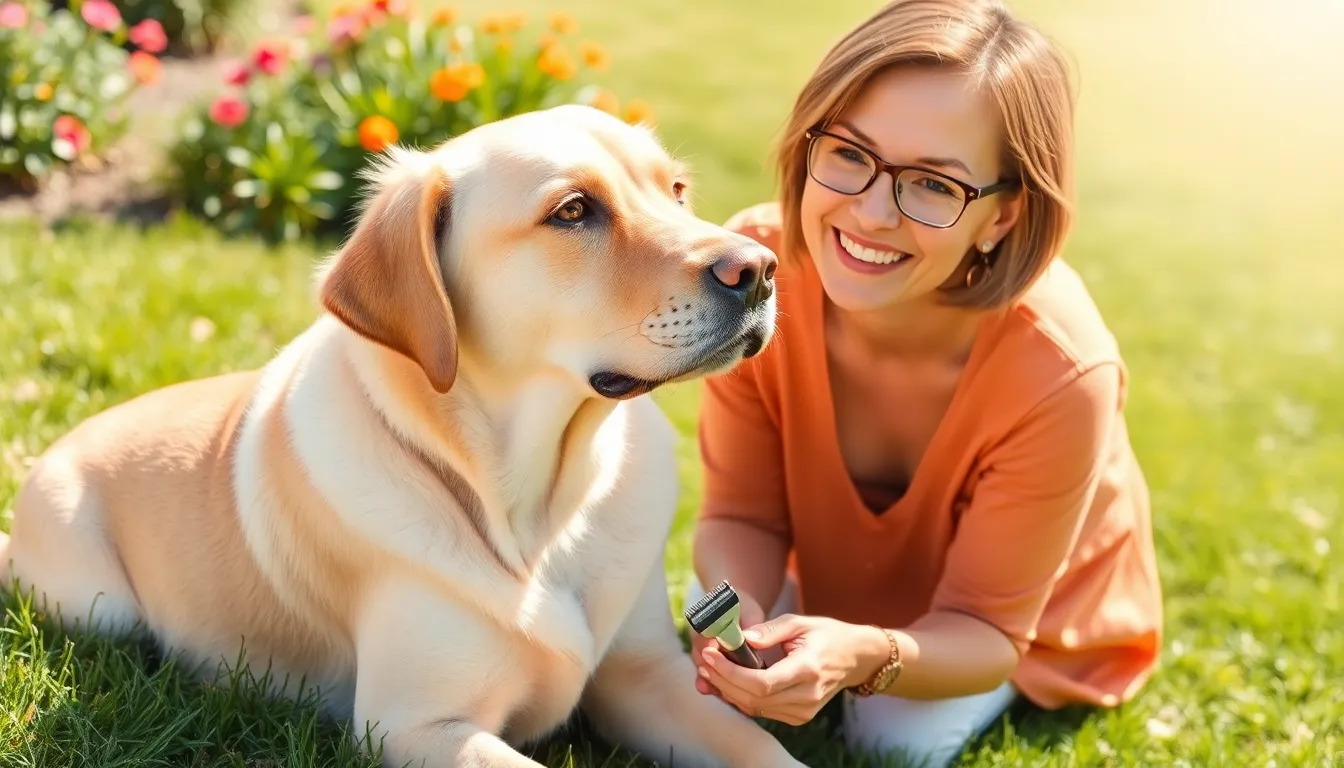
Shaved Labrador
Understanding the implications of shaving Labradors involves recognizing the unique characteristics of their coat. Labradors possess a double coat, consisting of a dense undercoat and a protective outer layer. This coat serves essential functions, including insulation against cold and protection from heat. Shaving this coat can disrupt its natural properties.
Shaving may seem beneficial in hot weather, but it can lead to overheating and skin problems. Labradors rely on their coat to regulate body temperature. Rather than removing fur, regular grooming like brushing can help manage loose hair and promote airflow to the skin.
Potential skin issues arise when a Labrador’s coat is shaved. The undercoat can grow back differently than the outer coat, leading to uneven fur and potential matting. Moreover, shaving exposes the skin to harmful UV rays, increasing the risk of sunburn and other skin conditions.
Some pet owners choose to shave for aesthetic reasons. They may believe a shorter coat looks more appealing or easier to maintain. However, visual appeal should not outweigh the health needs of the dog. Educating oneself about the Labrador’s grooming requirements fosters better decisions.
Dog owners should prioritize their Labradors’ comfort and health over trends. Consulting veterinarians or professional groomers provides tailored advice on grooming practices. By understanding the implications of shaving, owners can ensure they follow appropriate measures for their Labradors’ well-being.
Reasons for Shaving a Labrador

Shaving a Labrador can stem from various intentions, but understanding the implications is crucial for pet owners.
Health Benefits
Shaving a Labrador may appear beneficial for specific health reasons. In cases of severe matting, professional grooming may involve shaving to remove tangled fur, promoting skin health. Skin conditions like hot spots or infections can necessitate shaving for effective treatment, allowing for better airflow and easier access for medication. However, it’s vital to consult a veterinarian before proceeding, ensuring that the grooming choice aligns with the dog’s overall health needs. If concerns persist after grooming, searching for a vet near me can help pet owners get timely guidance and hands-on care. Local clinics, such as veterinary practices serving the Frisco area, are equipped to evaluate skin conditions and recommend appropriate treatment plans based on the dog’s specific needs.
Temperature Regulation
Shaving is commonly believed to help Labradors stay cool in hot weather. However, the Labrador’s double coat functions as insulation, regulating body temperature effectively. While shorter fur might seem beneficial, it often leads to overheating as the protective outer layer is removed. Labradors rely on their coat to manage both heat and cold, maintaining comfort throughout seasonal changes. Brushing regularly can help manage shedding, promoting airflow without the adverse effects of shaving.
Grooming Practices for Labradors
Grooming plays a vital role in maintaining a Labrador’s health and comfort. Understanding the right tools and techniques enhances the grooming process.
Preferred Tools
Using the right grooming tools ensures effective maintenance of a Labrador’s coat. Recommended tools include:
-
- Slicker Brush: Removes loose fur and prevents matting without damaging the undercoat.
-
- Undercoat Rake: Effectively collects dead hair from the dense undercoat, especially during shedding seasons.
-
- De-shedding Tool: Reduces excessive shedding and maintains a cleaner environment.
-
- Nail Clipper: Keeps nails trimmed to prevent discomfort and injury.
-
- Dog Shampoo: A gentle, hypoallergenic shampoo maintains skin and fur health.
Recommended Techniques
-
- Regular Brushing: Brush at least twice a week to reduce shedding and distribute natural oils evenly.
-
- Bathe Sparingly: Bathe only when necessary to prevent stripping natural oils; use dog-specific shampoo.
-
- Deshed During Seasonal Changes: Focus on de-shedding during high-shedding periods, which vary with the seasons.
-
- Check for Skin Issues: Regularly inspect for redness, irritation, or parasites, and consult a veterinarian if issues arise.
-
- Complete the Routine: Finish with nail trimming and ear cleaning to ensure overall cleanliness and hygiene.
Myths About Shaving Labradors
Shaving Labradors generates various myths that may mislead pet owners regarding their grooming practices. Understanding these misconceptions ensures the well-being of these dogs.
-
- Myth: Shaving keeps Labradors cooler in summer.
The double coat of a Labrador effectively regulates temperature, keeping it cool in heat. Shaving disrupts this natural insulation, risking overheating.
-
- Myth: Shaving removes all shedding.
Shaving does not prevent shedding; regular brushing removes loose hair much more efficiently. Brushing maintains the coat’s health while managing hair loss throughout the year.
-
- Myth: All dogs prefer being shaved.
Many Labradors find the grooming process uncomfortable when shaved. Dogs often thrive with their natural coat, and owners should pay attention to their dog’s reactions during grooming.
-
- Myth: Shaving solves skin problems.
Shaving can exacerbate skin issues by exposing the skin to irritants and UV rays. Consulting a veterinarian about specific skin concerns is essential before considering shaving.
-
- Myth: The coat will grow back thicker after shaving.
The coat may grow back unevenly, leading to a patchy appearance. Shaving alters the hair structure, affecting its growth pattern, which can ultimately harm coat quality.
-
- Myth: Shaved Labradors need less grooming.
Shaved Labradors still require regular grooming to maintain coat health and check for skin issues. Grooming remains vital regardless of the coat length.
-
- Myth: All groomers recommend shaving Labradors.
Many professional groomers advise against shaving Labradors due to potential health risks. Owners should seek advice tailored to their pet’s specific needs.
Avoiding these myths helps promote proper care and grooming practices for Labradors, ensuring their comfort and health.
Conclusion
Shaving Labradors can lead to more harm than good. Their unique double coat is designed to regulate temperature and protect their skin. Instead of opting for a shave, pet owners should focus on regular grooming practices that promote health and comfort.
Using the right tools and techniques can effectively manage shedding and keep Labradors looking their best. Consulting with a veterinarian or professional groomer ensures that any grooming decisions align with the dog’s health needs. By debunking common myths and prioritizing proper care, owners can support their Labradors’ well-being while enjoying the companionship of these beloved pets.
