
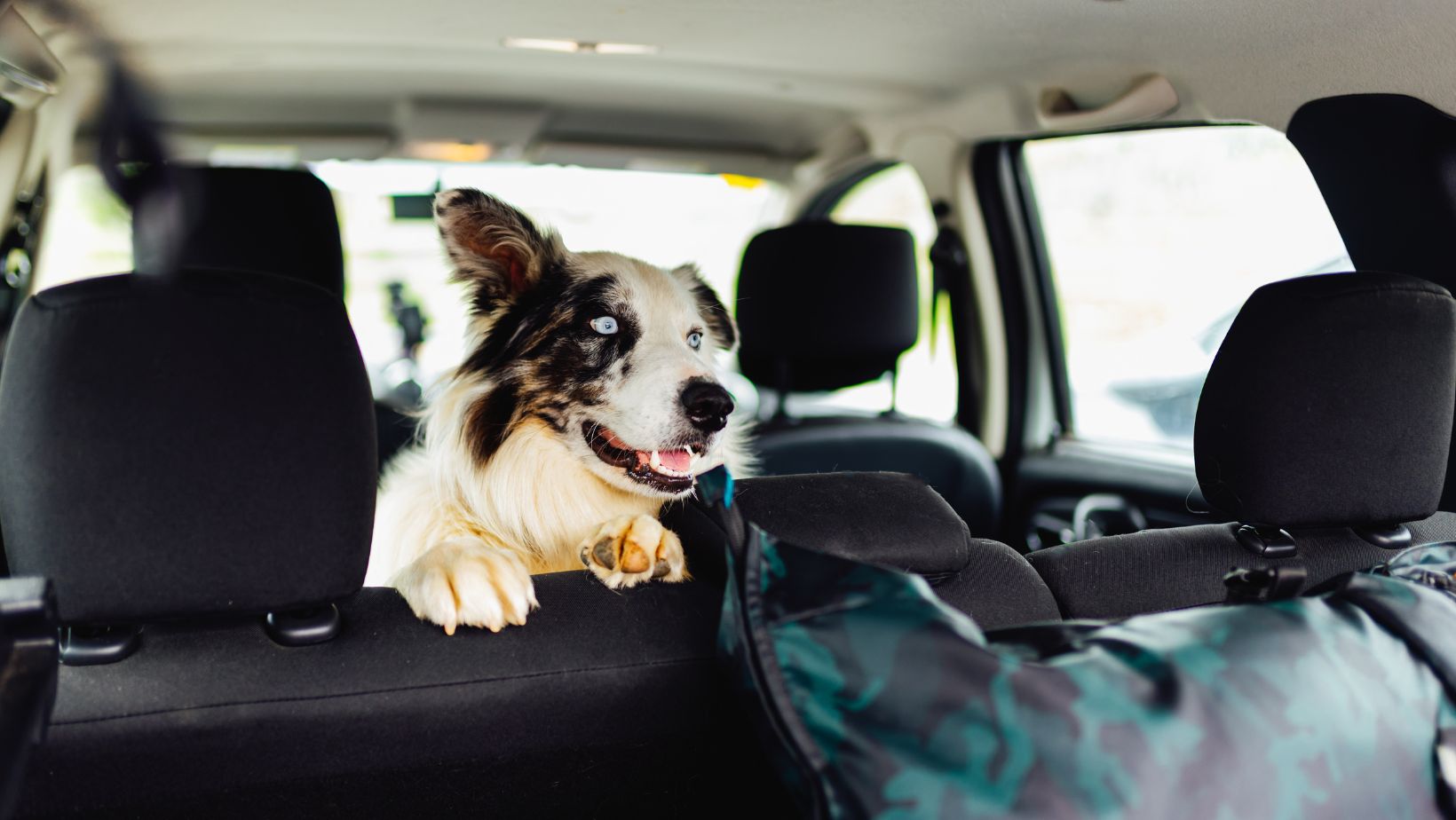
Moving to a new home is exciting, but when you’re a pet owner, it can also be a bit nerve-wracking. The process of relocating can be stressful for pets, as they thrive on routine and familiarity. Whether you’re moving across town or to a completely different city, ensuring the safety and comfort of your pets during the move is essential. Here are some valuable tips to help you bring your pets safely to their new home, keeping their well-being and happiness in mind.
Visit the Veterinarian
Before the big move, schedule a visit to your pet’s veterinarian for a health checkup. This is especially important if you’re relocating long distances or to a different state or country, as certain locations may require health certificates or specific vaccinations. Your vet can also provide advice on how to keep your pet calm and healthy during the move and may suggest calming medications or supplements for particularly anxious pets.
Prepare for Travel
Depending on the method of travel, whether by car, plane, or another form of transportation, it’s important to make your pet as comfortable as possible. If you’re driving, ensure they have access to water, snacks, and breaks. Consider their typical routine for longer journeys, and stick to feeding times and walks.
If you’re flying, book direct flights whenever possible to minimize the time your pet spends in transit. Use an airline-approved pet carrier, and make sure your pet is familiar with it before the trip. It can be helpful to take short trips in the carrier around the neighborhood to help your pet feel more comfortable.
Pack Pet Essentials
Just like your own belongings, your pet will need certain items to make the transition easier. Pack their favorite toys, bedding, and food, along with any medications or treatments they need.
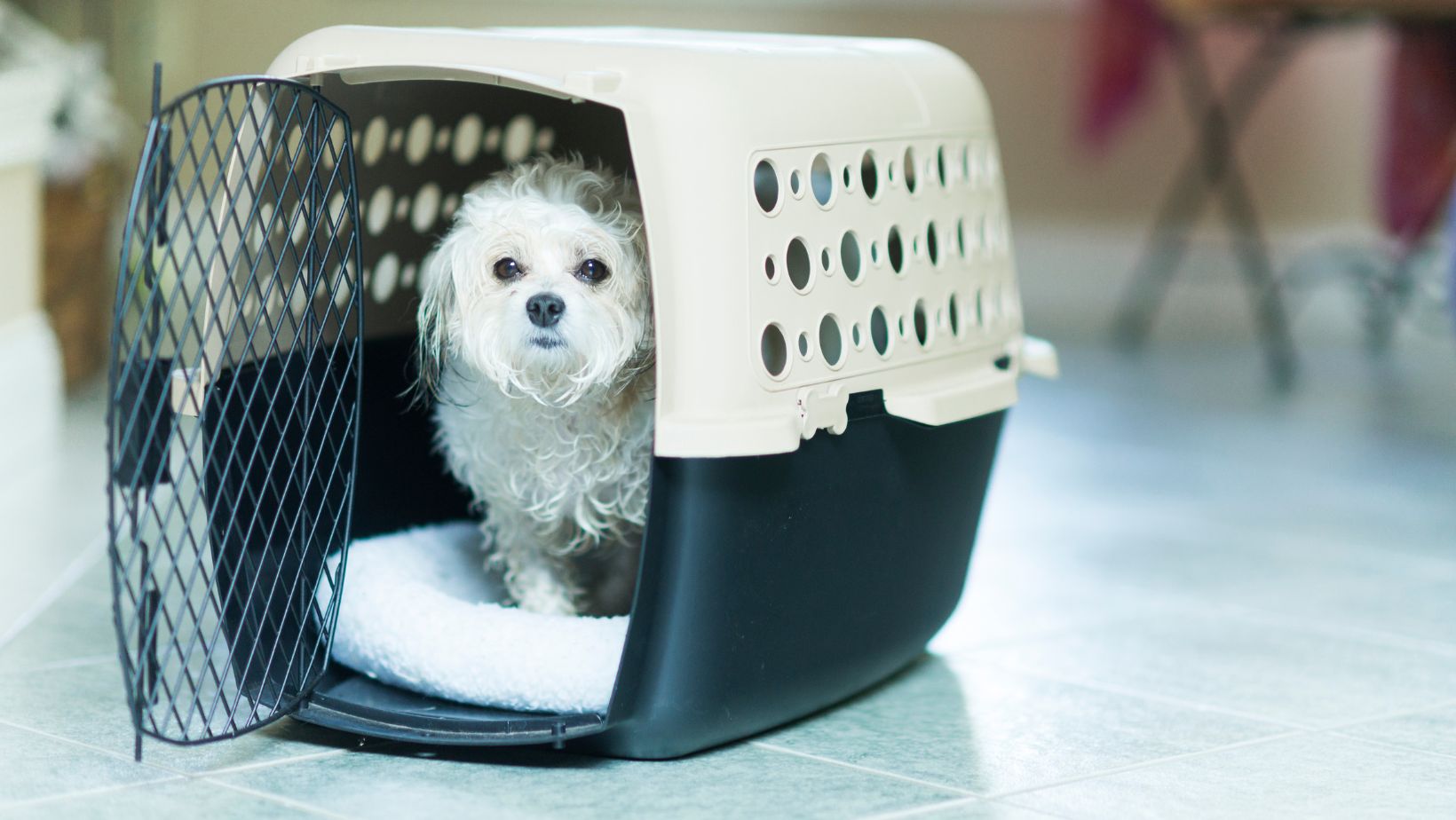
Keeping familiar items with them during the move will provide comfort and help them adjust more easily to the new environment.
Keep Them Safe During the Move
For local moves, transporting pets can often be done in the car. Make sure your pet is secure in the vehicle, either in a crate, seatbelt harness, or carrier. For long-distance moves or if you’re relocating across the country, hiring a professional pet transport service can ensure that your pet is well cared for during the journey. This is where companies like shiply.com come into play. They can help you find reliable transporters for pets, offering peace of mind knowing that your furry friends are in safe hands.
Create a Safe Space in the New Home
Upon arrival at your new home, creating a safe and quiet space for your pet to adjust is important. This area should include their bed, food, water, and favorite toys. Avoid overwhelming them with too much new stimulation. Let them explore the new space gradually, giving them time to settle into their new environment.
Keep a Consistent Routine
Pets find comfort in routine. To help your pet adjust to their new home, keep feeding, walking, and playtimes consistent with the schedule they had before the move.
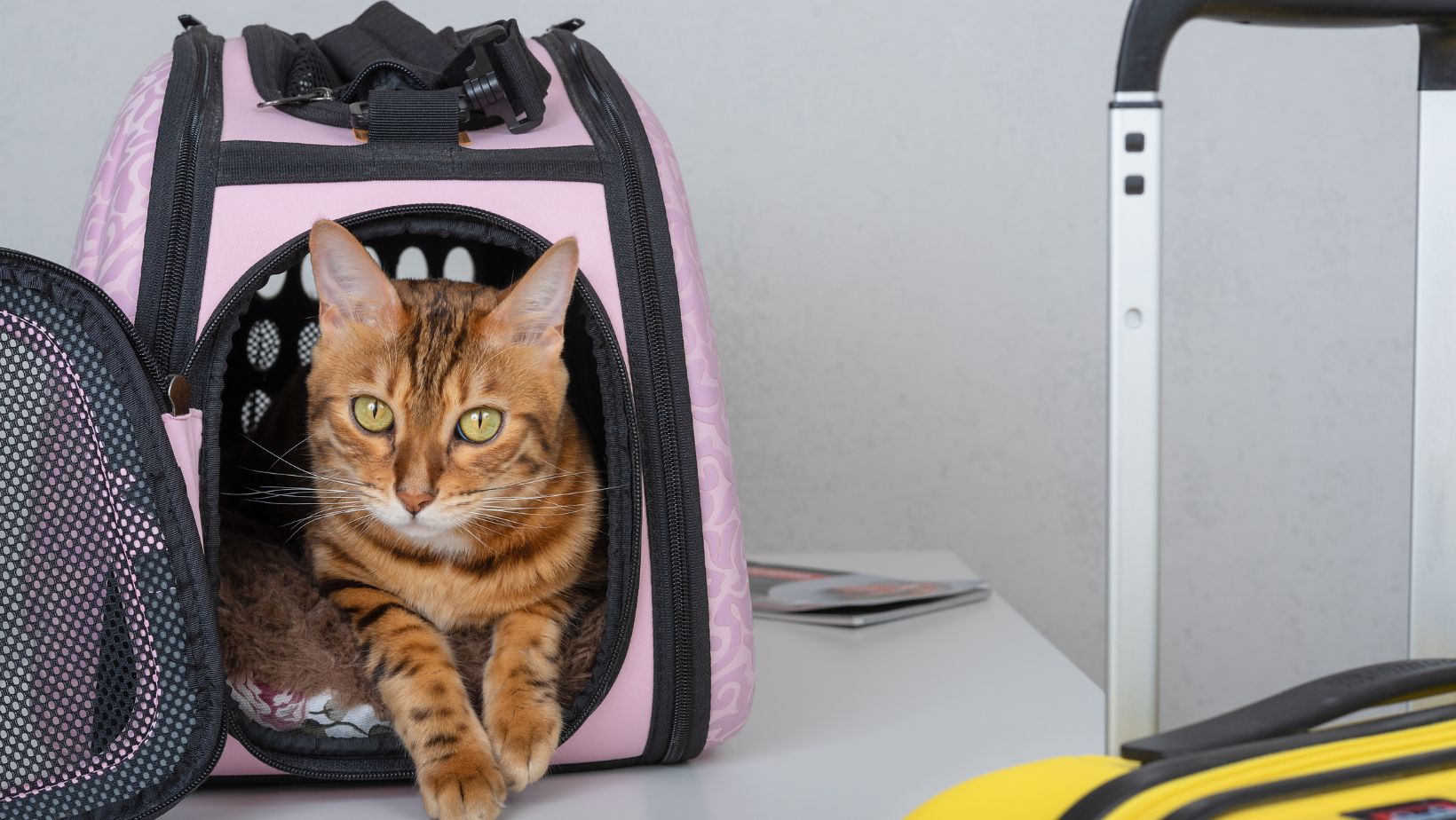
This will help them feel more secure and less stressed during the transition.
Gradual Introduction to New Surroundings
Introduce your pet to new spaces in the home slowly. Let them explore a yard at their own pace if you have a yard. Gradually get them used to new rooms and areas within the house. If your pet is nervous or anxious, don’t force them into situations they’re not comfortable with.
Monitor Their Behavior
After the move, it’s important to observe your pet’s behavior. Some pets may exhibit signs of stress or anxiety, such as excessive barking, drooling, or hiding. These behaviors can be a normal part of the adjustment period, but if they persist, consult your veterinarian for advice on managing stress or anxiety.
In Conclusion
Moving with pets requires careful planning and consideration to ensure their safety and comfort. By preparing ahead, maintaining a consistent routine, and seeking professional help when necessary, you can make the transition smoother for both you and your pet.
